204 - Youth development program influence on whole person health for youth experiencing poverty
Saturday, April 25, 2026
3:30pm - 5:45pm ET
Publication Number: 2196.204
Dana Hubbell, Northwestern University The Feinberg School of Medicine, Chicago, IL, United States; Karen Sheehan, Ann & Robert H. Lurie Children's Hospital of Chicago, Chicago, IL, United States
Medical Student Northwestern University The Feinberg School of Medicine Chicago, Illinois, United States
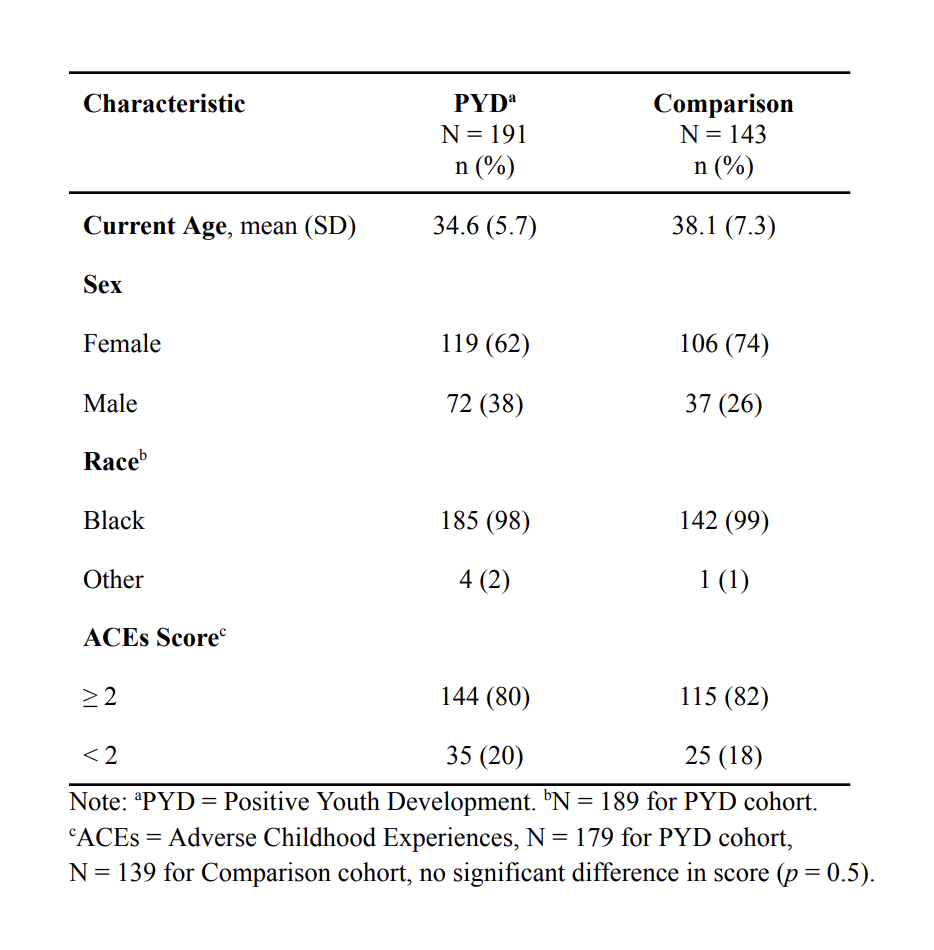
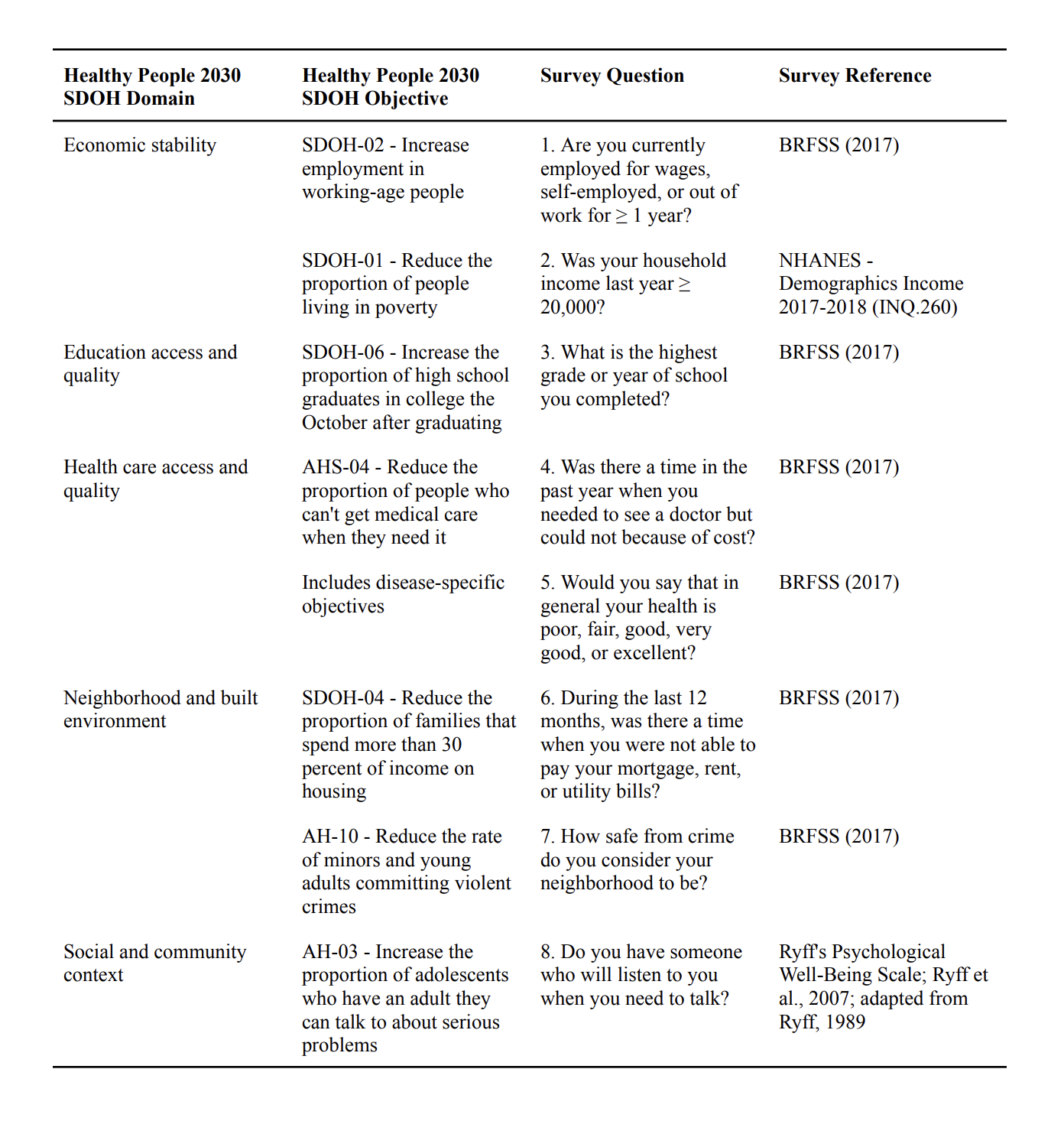
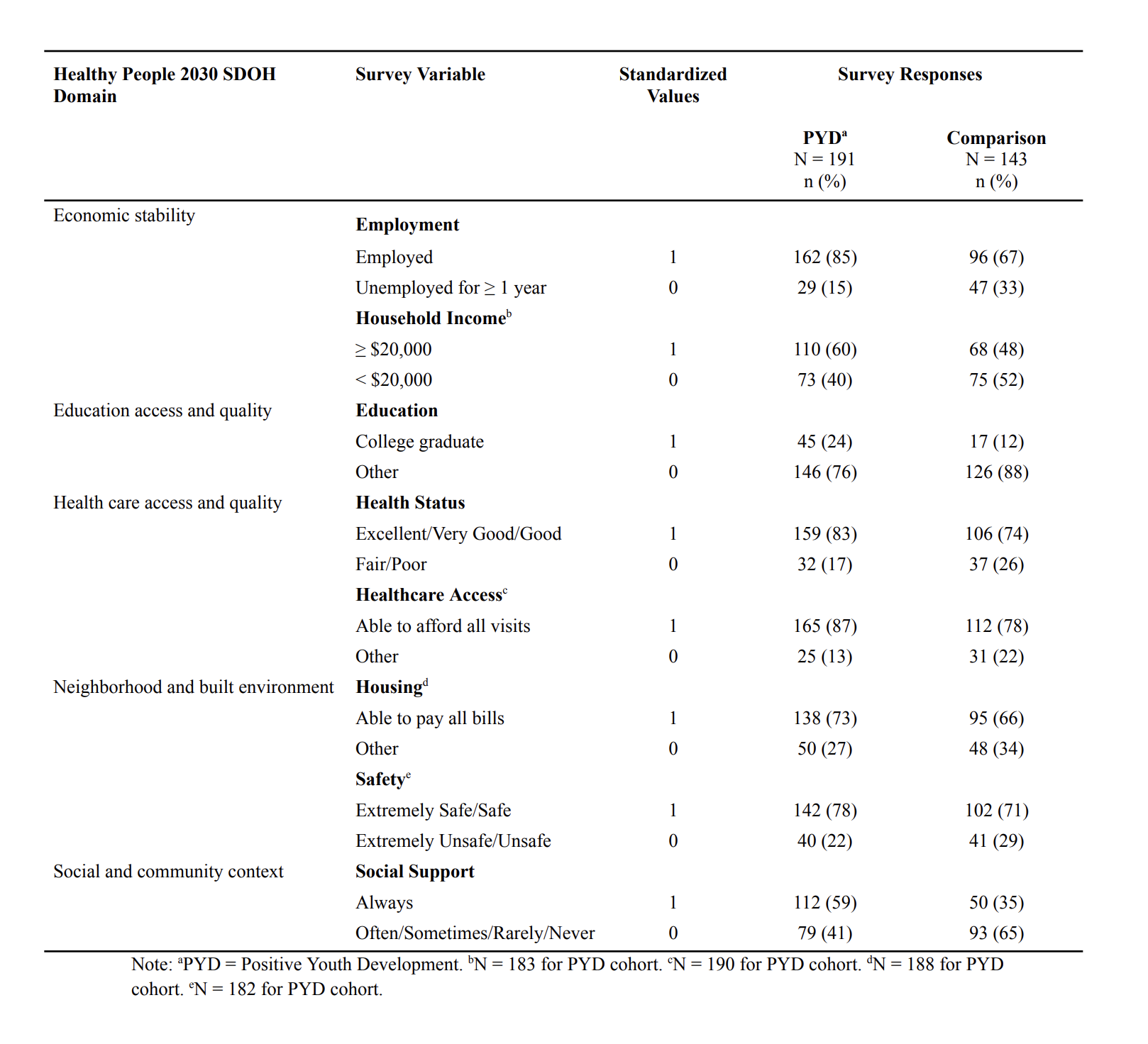
Background: Social determinants of health are increasingly recognized as playing a major role in individual well-being. The National Institutes of Health uses the term whole person health to define the interconnected biological, behavioral, social, and environmental factors that contribute to health and disease. Childhood poverty has been shown to negatively impact these determinants and is consistently linked to poor physical and mental health. To address these outcomes, community-based positive youth development (PYD) programs are emerging as promising interventions. However, few studies have evaluated the long-term health outcomes of PYD programs specifically designed for youth experiencing poverty. Objective: The objective of this study is to assess the whole person health of alumni from a comprehensive PYD program serving youth living in a public housing complex in Chicago. Design/Methods: To evaluate the impact of the youth program on whole person health, a quasi-experimental, causal comparative study was conducted. A questionnaire was administered via phone or written format from 10/2017-2019 to program alumni (mean = 16.8 +/- 7.4 years after program participation) and comparison individuals living in the same public housing complex who did not participate in the program but could have. A composite whole person health score was derived from eight questionnaire items aligned with the five domains of the Healthy People 2030 Social Determinants of Health: economic stability, education and healthcare access, neighborhood and built environment, and social and community context. Descriptive statistics summarized demographic variables. Linear regression models were used to compare the whole person health of program alumni to the comparison group and were adjusted for age, sex, and Adverse Childhood Experiences (ACEs). Results: Of the 246 located alumni, 191 (78%) completed the questionnaire along with 143 in the comparison group. Participants self-identified as Black or Other race, had a mean age of 36.4 years, and were 67% female. Program alumni exhibited significantly higher whole person health than the comparison group (mean = 5.49, range = 1-8, vs. mean = 4.83, range = 0-8, p = 0.001). This difference remained statistically significant after controlling for age, sex, and ACEs (p = 0.01).
Conclusion(s): Positive youth development programs may contribute to improved whole person health among youth experiencing poverty. These findings support continued investment in PYD programs as a promising strategy to mitigate the adverse health effects associated with childhood poverty.