32 - Cord blood biomarkers in infants with hypoxic-ischemic encephalopathy: A systematic review and meta-analysis
Saturday, April 25, 2026
3:30pm - 5:45pm ET
Publication Number: 2029.32
Dimitrios RALLIS, Aristotle University of Thessaloniki, THESSALONIKI, Thessaloniki, Greece; Magdalena Smolkova, University of Cambridge, Cambridge, England, United Kingdom; Brian H. Walsh, INFANT Research Centre, Cork, Cork, Ireland; Deirdre M. Murray, University College Cork, Cork, Cork, Ireland; Helen Christou, Harvard Medical School, Boston, MA, United States; Mohamed El-Dib, Brigham and Women's Hospital / Harvard Medical School, Boston, MA, United States
Associate Professor of Pediatrics Brigham and Women's Hospital / Harvard Medical School Boston, Massachusetts, United States
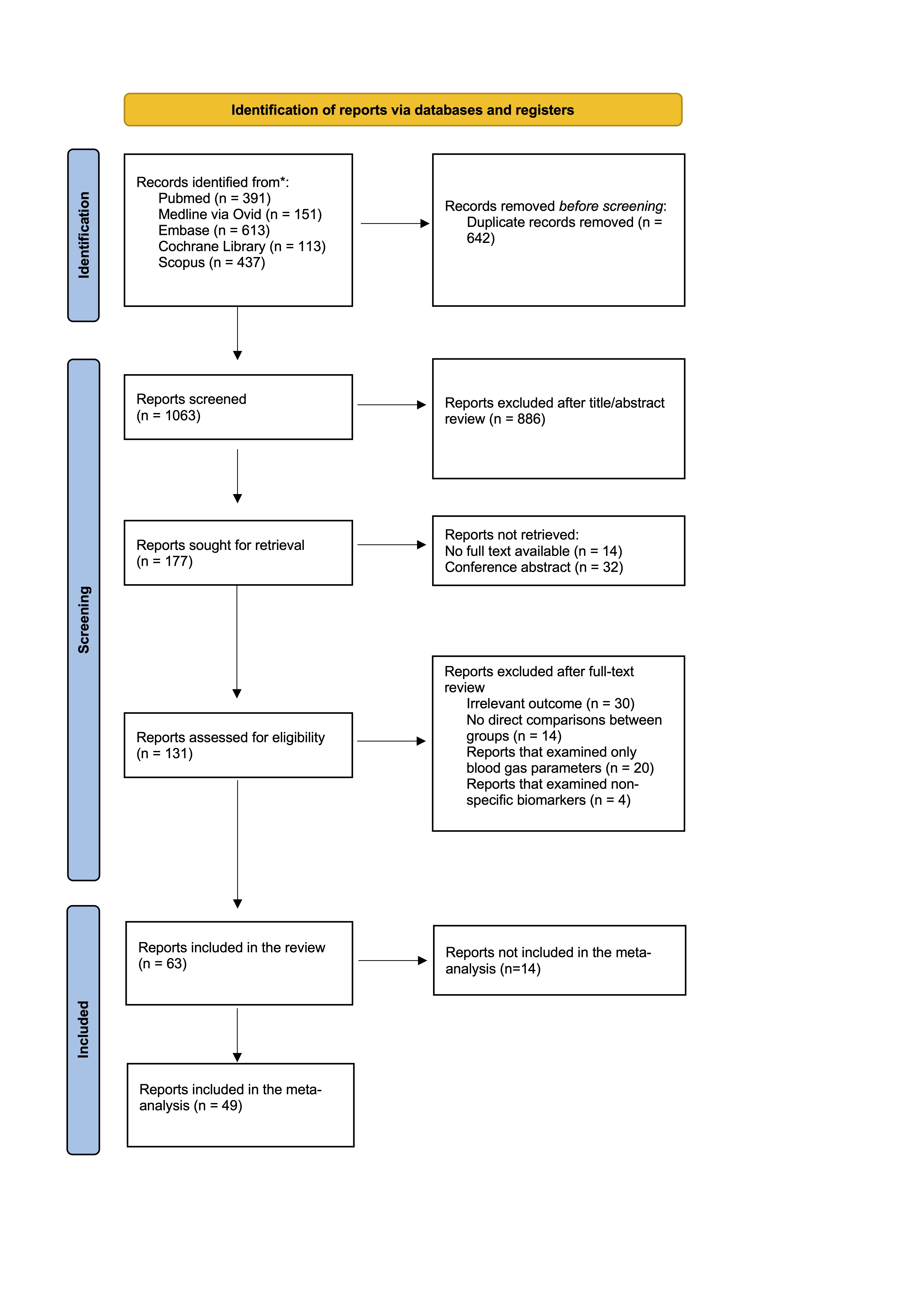
Background: Biomarkers in hypoxic-ischemic encephalopathy (HIE) can indicate diagnosis, prognosis, and guide treatment for neonates most likely to benefit from interventions. Objective: To investigate whether any cord blood biomarker could aid in the diagnosis of neonates with HIE. Design/Methods: A systematic review and meta-analysis was conducted. PubMed, Scopus, OVID MEDLINE, Embase, and Cochrane were searched through July 2024. Populations (term or near-term neonates), Intervention (HIE), Comparison (with vs without HIE), and Outcomes strategy was used. Eligible studies were prospective, retrospective, longitudinal, or cross-sectional in English. Reviews, case series, case-control, and opinion articles were excluded. Standardized mean differences were calculated with random-effects models; heterogeneity was assessed with I² and bias with Egger's test. Results: From 1705 studies screened, 63 were reviewed and 49 meta-analyzed, covering 51 cord blood biomarkers plus metabolomic and micro/mRNA expression profiles. Several biomarkers were significantly elevated in neonates with HIE. The strongest associations were seen with tumor necrosis factor-alpha (mean difference 3.34 pg/ml; 95%CI 2.52-4.15), prooxidant-antioxidant balance (0.80; 95%CI 0.59-1.00), activin-A (0.88 ng/ml; 95%CI 0.52-1.24), troponin (6.13 ng/l; 95%CI 3.33-8.93), and S100 calcium-binding protein B (2.74 pg/ml; 95%CI 0.94-4.54). Other elevated markers included glial fibrillary acidic protein, neuron-specific enolase, tau, neurofilament light protein, interleukin-6, interleukin-1, malondialdehyde, hypoxanthine, and nucleated red blood cells. S100 calcium-binding protein B and interleukin-6 were higher in moderate-to-severe than mild HIE. Metabolomic changes involved amino acids, acylcarnitines, lipids, and oxidative stress markers, while altered miRNA expression was also reported.
Conclusion(s): Cord blood biomarkers-particularly S100 calcium-binding protein B, interleukin-6, tumor necrosis factor, prooxidant-antioxidant balance, and activin-A-show promise for early HIE diagnosis and severity assessment. Further prospective studies are needed to validate biomarker panels for clinical use.
PRISMA flow chart for study selection
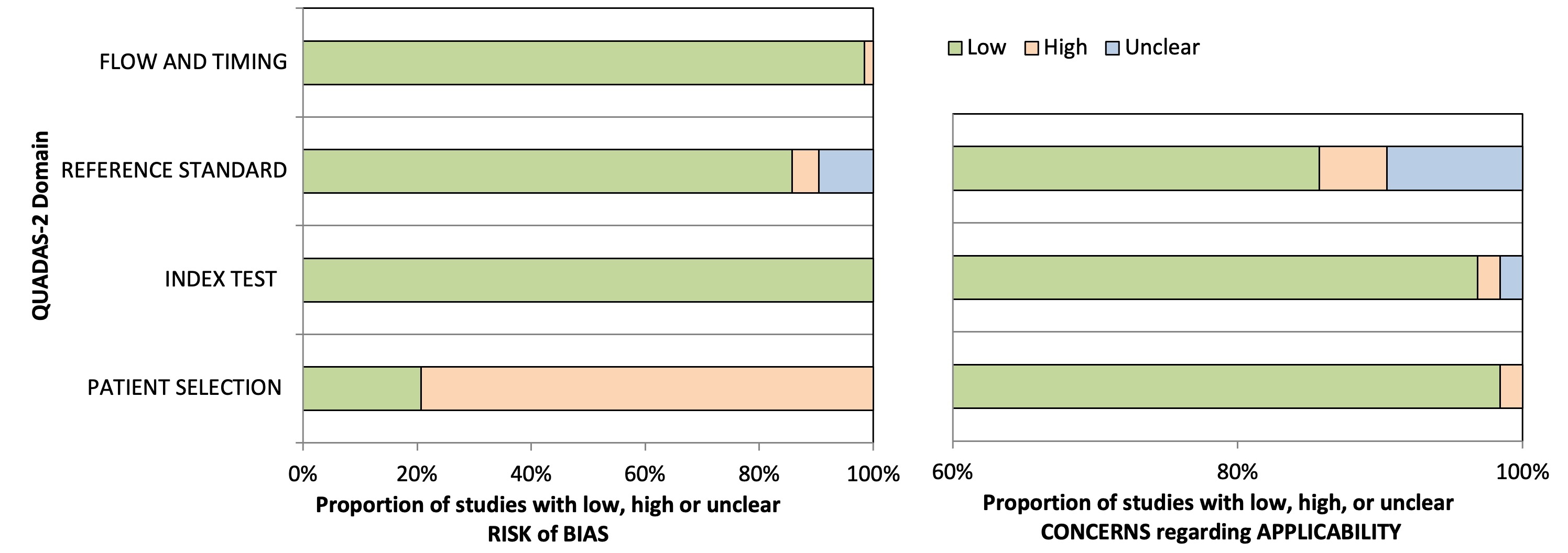
Quality assessment with QUADAS-2 of the selected studies
Biomarkers in neonates with and without HIE (Ranked by Significance) Table 1.pdf