180 - Associations Between Unmet Resource Needs and Access to Educational Resources on Breastfeeding, Safe Infant Sleep, and Car Seat Behaviors Among Fathers in Kent County, Michigan.
Saturday, April 25, 2026
3:30pm - 5:45pm ET
Publication Number: 2174.180
Jelisah F. Desgraves, Northwestern University The Feinberg School of Medicine, Chicago, IL, United States; Clarissa Simon, Ann & Robert H. Lurie Children's Hospital of Chicago, Chicago, IL, United States; Candace E. Jarzombek, Ann & Robert H. Lurie Children's Hospital of Chicago, Chicago, IL, United States; Craig Garfield, Lurie Children's Hospital of Chicago, Chicago, IL, United States
Medical Student Northwestern University The Feinberg School of Medicine Chicago, Illinois, United States
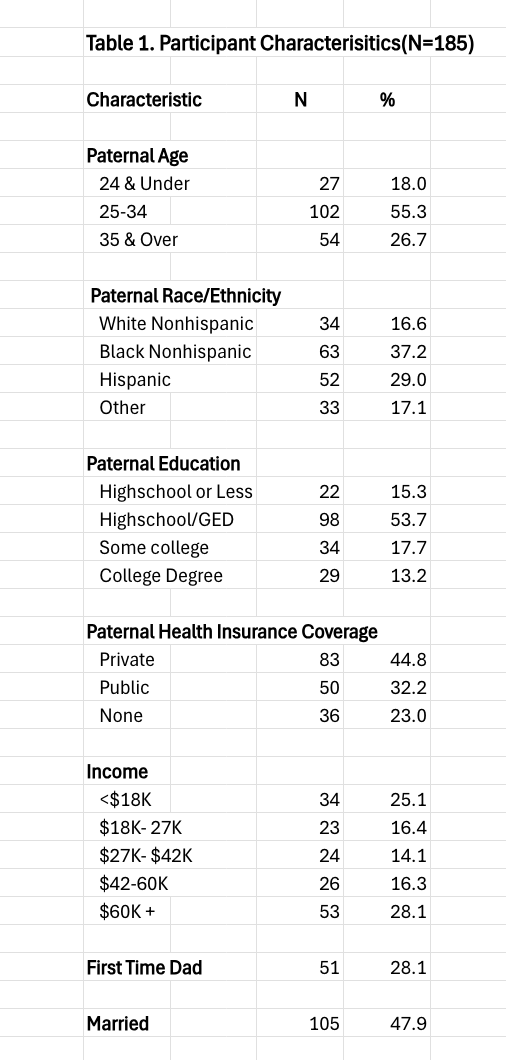
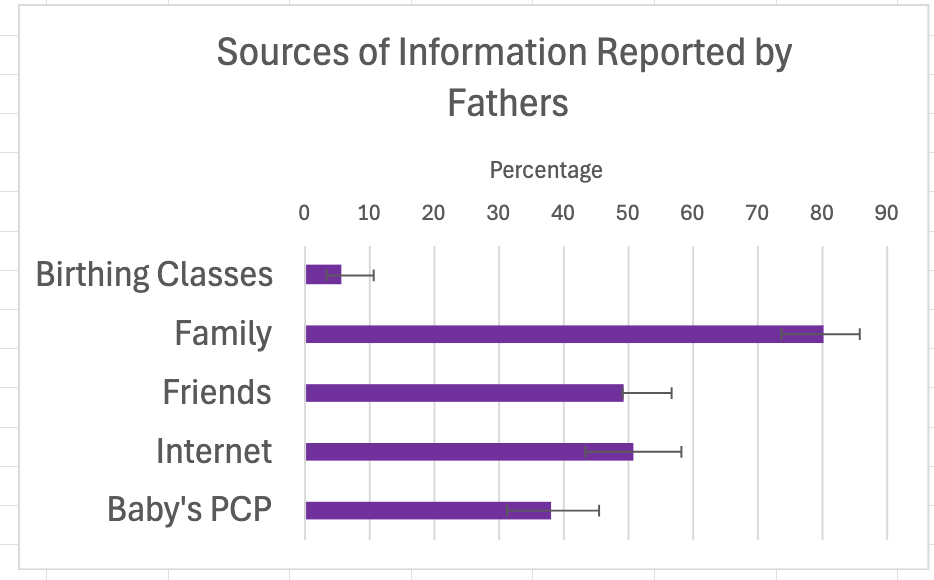
Background: Fathers play a critical role in the health and wellbeing of infants but are often underrepresented in perinatal education and early parenting initiatives. While the link between adequate maternal antenatal information and infant safety is well documented, little research examines the association between fatherhood-specific education and uptake of recommended infant care practices. Limited fatherhood perinatal education may be linked to disparities in important infant outcomes. Objective: The purpose of this study is to examine the relationship between fathers' access to perinatal educational resources and implementation of recommended infant practices (breastfeeding, safe sleeping and care seat behaviors) in a population representative sample in Michigan. Design/Methods: This study is a cross-sectional analysis using a novel, standardized, population-based public health surveillance survey, the Pregnancy Risk Assessment Monitoring System (PRAMS) for Dads. Using a regional population of fathers in Kent County, Michigan sampled from a randomized birth certificate cohort from 2024. Prevalence of fathers' participation in recommended infant care practices were assessed along with tests of associations between self-reported access to perinatal educational resources (evidence-based birthing classes, healthcare provider interactions,) and engagement in safe infant behaviors like breastfeeding and safe sleep. Analysis included descriptive statistics, survey-weighted chi-square, and linear regression models. Results: Within the regional population, most fathers were 25-34 y.o., Black non-Hispanic and married with 51% first time fathers (Table 1). Of 185 respondents, 43% received parental education from evidence-based sources(ex. pediatricians and birthing classes); most fathers (80%) listed family as their primary source of information (Figure 1). Almost ¾ of fathers reported supporting mother's breastfeeding (74%) and most fathers reported placing infants to sleep on back only (68%). Key infant health/safety education areas fathers reported missing include a lack of access to information on how to care for a newborn (15%), breastfeeding support (11%), and how to create a safe sleeping environment (7%).
Conclusion(s): In this representative sample, fathers are engaged in maternal and infant health but recognize addressable gaps in their knowledge. Furthermore fathers rely on family members for most education, missing formal educational opportunities. Intentionally engaging fathers and improving equitable access may help close these gaps and in turn improve maternal and infant outcomes.
Table 1: Demographic Characteristics of Fathers in Kent County, Michigan
Figure 1: Participant Reported Primary Sources of Perinatal Information