








Neonatal Pulmonology
Session: Neonatal Pulmonology - Clinical Science 7: Mechanical Ventilation, Respiratory Support, Congenital Lung Anomalies

Mashfiq Hasan, MD (he/him/his)
Neonatology Fellow
Golisano Children's Hospital at The University of Rochester Medical Center, New York, United States
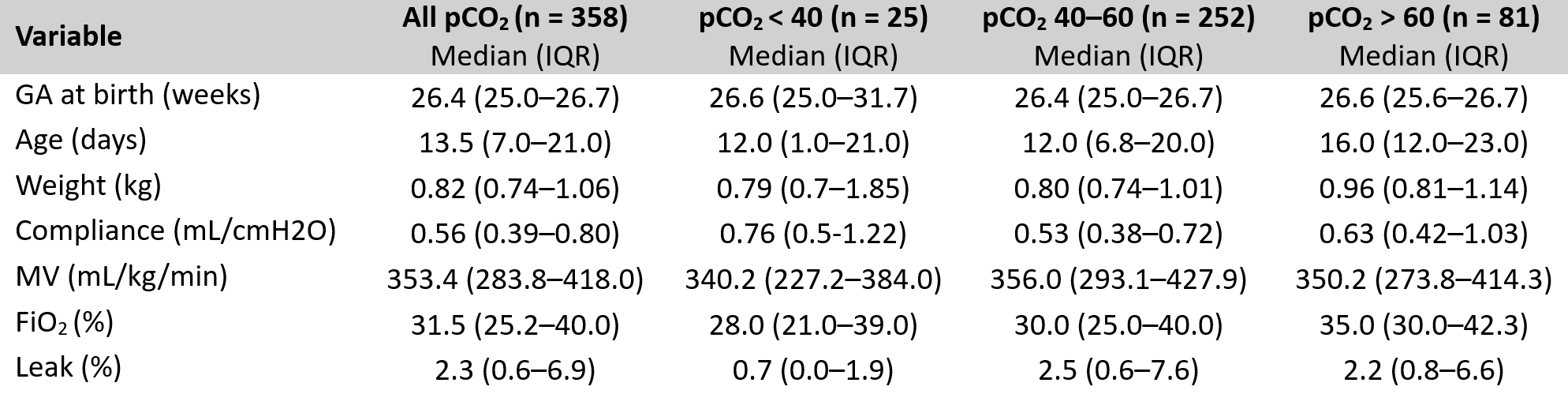 Data are expressed as median (interquartile range). Abbreviations: GA, gestational age; MV, minute ventilation; FiO₂, fraction of inspired oxygen; Age, postnatal age in days at the time of blood gas sampling; Weight, weight at the time of blood gas measurement; Leak, percent leak.
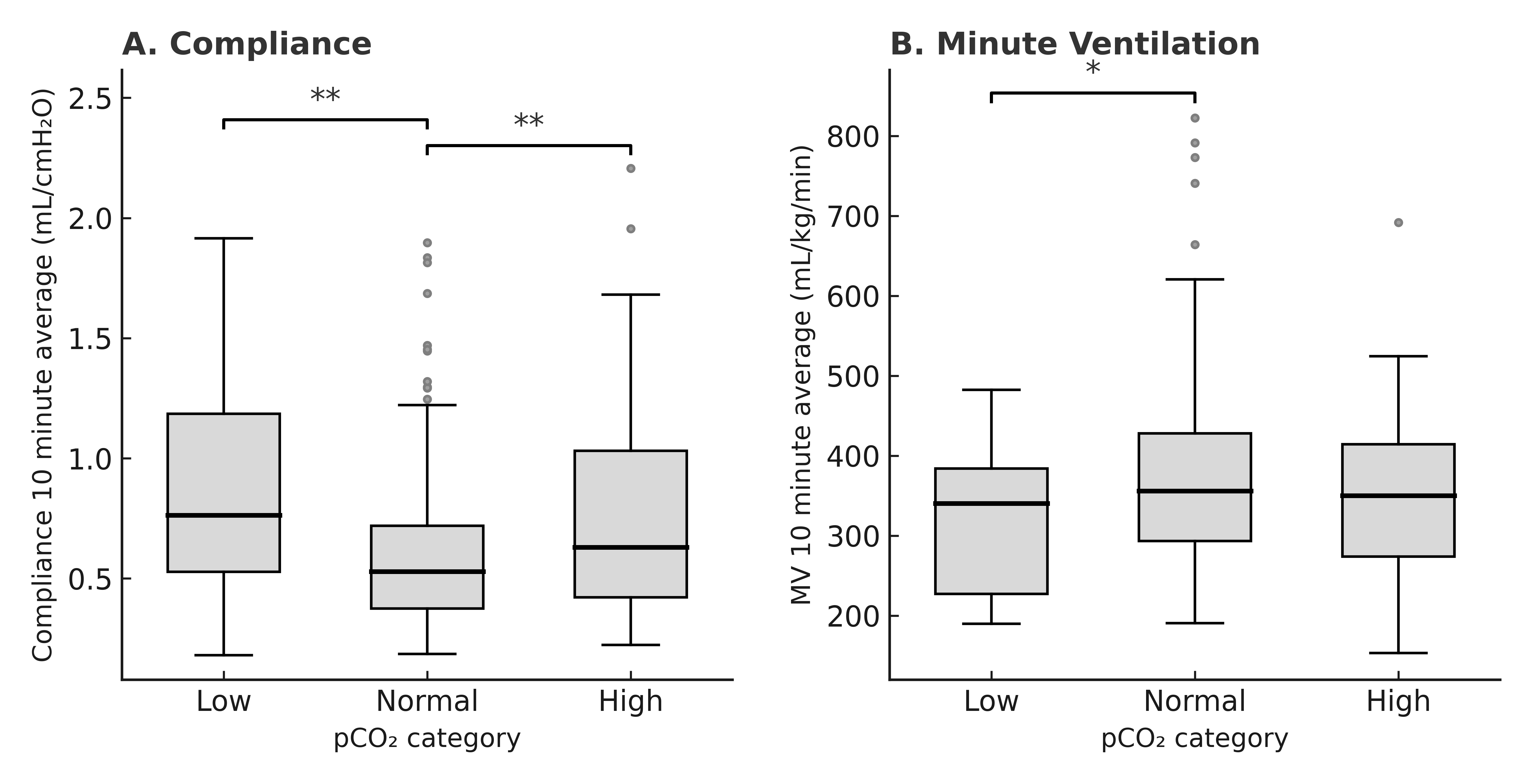 Boxplots show the distribution of (A) Compliance (mL/cmH₂O) and (B) Minute Ventilation (mL/kg/min) across low ( <40 mmHg), normal (40-60 mmHg), and high (>60 mmHg) pCO₂ groups. Compliance was significantly higher in both low and high pCO₂ categories compared with normal (Dunn's post-hoc, p < 0.01). Minute ventilation differed significantly only between normal and low groups (p < 0.05).
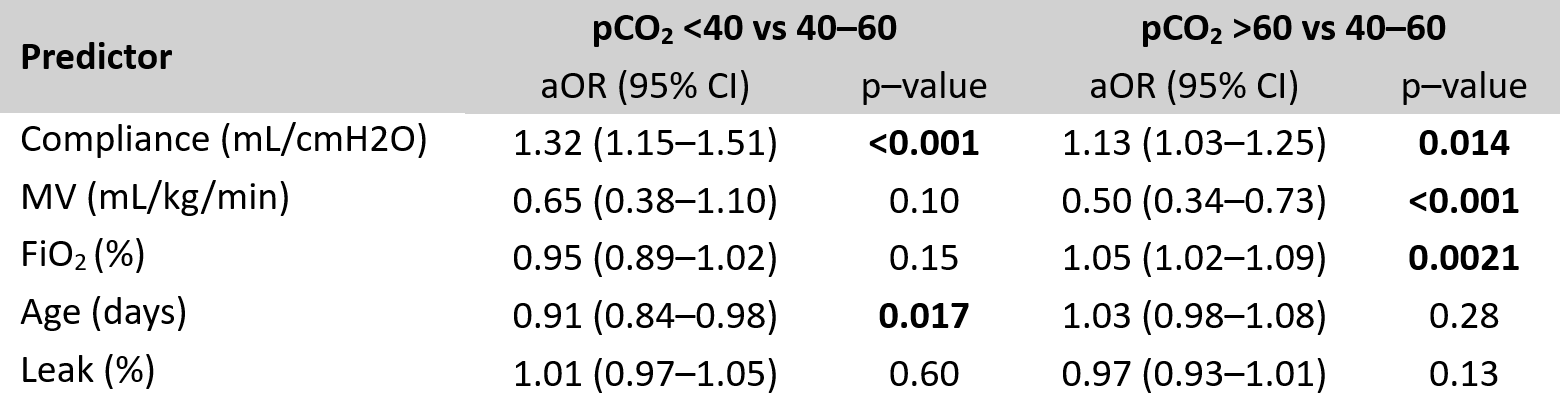 Data are presented as adjusted odds ratios (aOR) with 95% confidence intervals (CI) adjusted for minute ventilation, FiO₂, postnatal age, and leak as covariates. Odds ratios for compliance reflect the change in odds per 0.1 mL/cmH₂O increase, minute ventilation reflect the change in odds per 100 mL/kg/min increase, and FiO₂, leak, and age reflect the change in odds per 1-unit increase (1% FiO₂, 1% leak, and 1 day of age, respectively). Abbreviations: MV, minute ventilation; FiO₂, fraction of inspired oxygen; Age, postnatal age in days; Leak, percent leak.