677 - Parent Perspectives on Barriers to and Facilitators of Early Allergen Introduction: A Qualitative Study
Monday, April 27, 2026
8:00am - 10:00am ET
Publication Number: 4662.677
Priyani Sharma, Childrens Hospital of Philadelphia, Drexel Hill, PA, United States; Gabrielle DiFiore, Childrens Hospital of Philadelphia, Philadelphia, PA, United States; Alexandra Towers, Children's Hospital of Philadelphia, Philadelphia, PA, United States; Michael C. Curley, Childrens Hospital of Philadelphia, Philadelphia, PA, United States; Maura A. Powell, CHOP, Malvern, PA, United States; Katie McPeak, Children's Hospital of Philadelphia, Philadelphia, PA, United States; George Dalembert, Children's Hospital of Philadelphia, Philadelphia, PA, United States; Alexander G. Fiks, Childrens Hospital of Philadelphia, Philadelphia, PA, United States; Aditi Vasan, Children's Hospital of Philadelphia, Philadelphia, PA, United States
Clinical Research Coordinator Childrens Hospital of Philadelphia Drexel Hill, Pennsylvania, United States
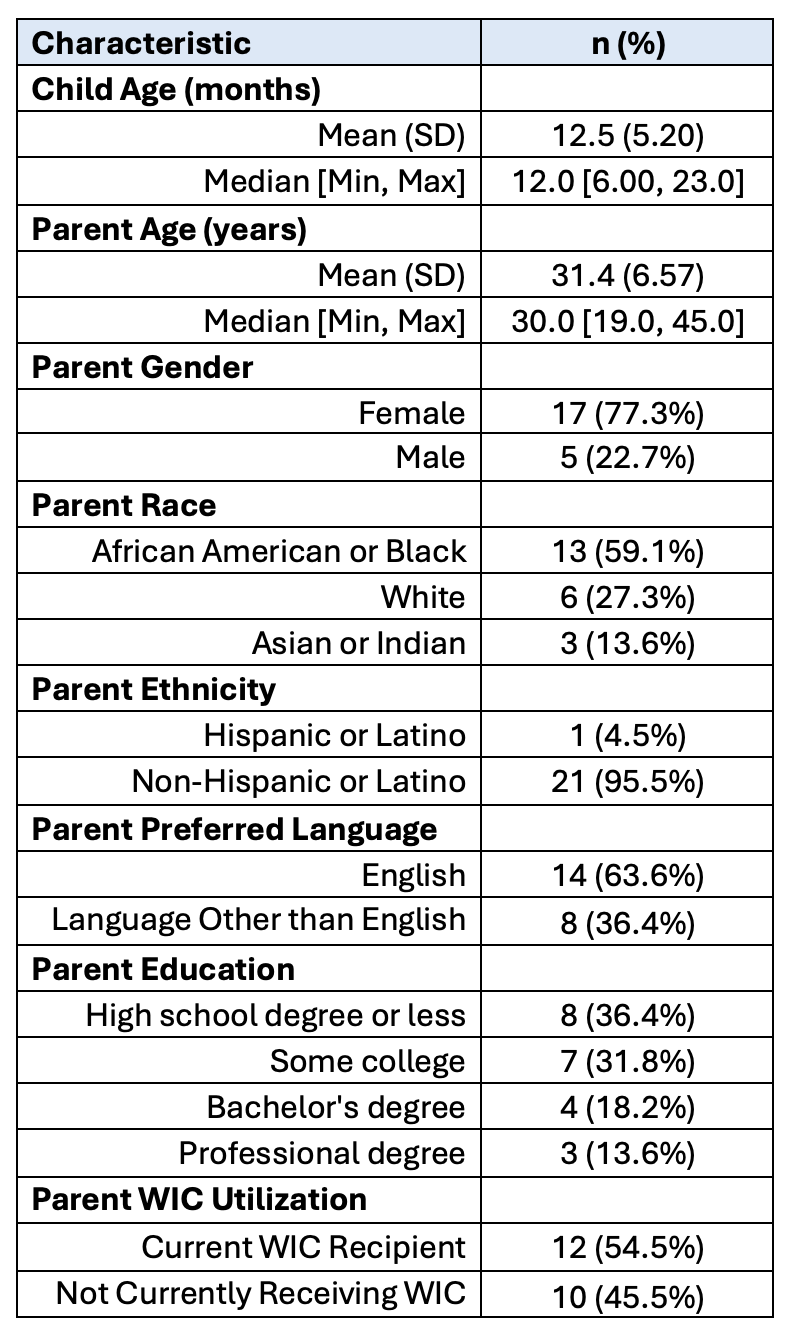
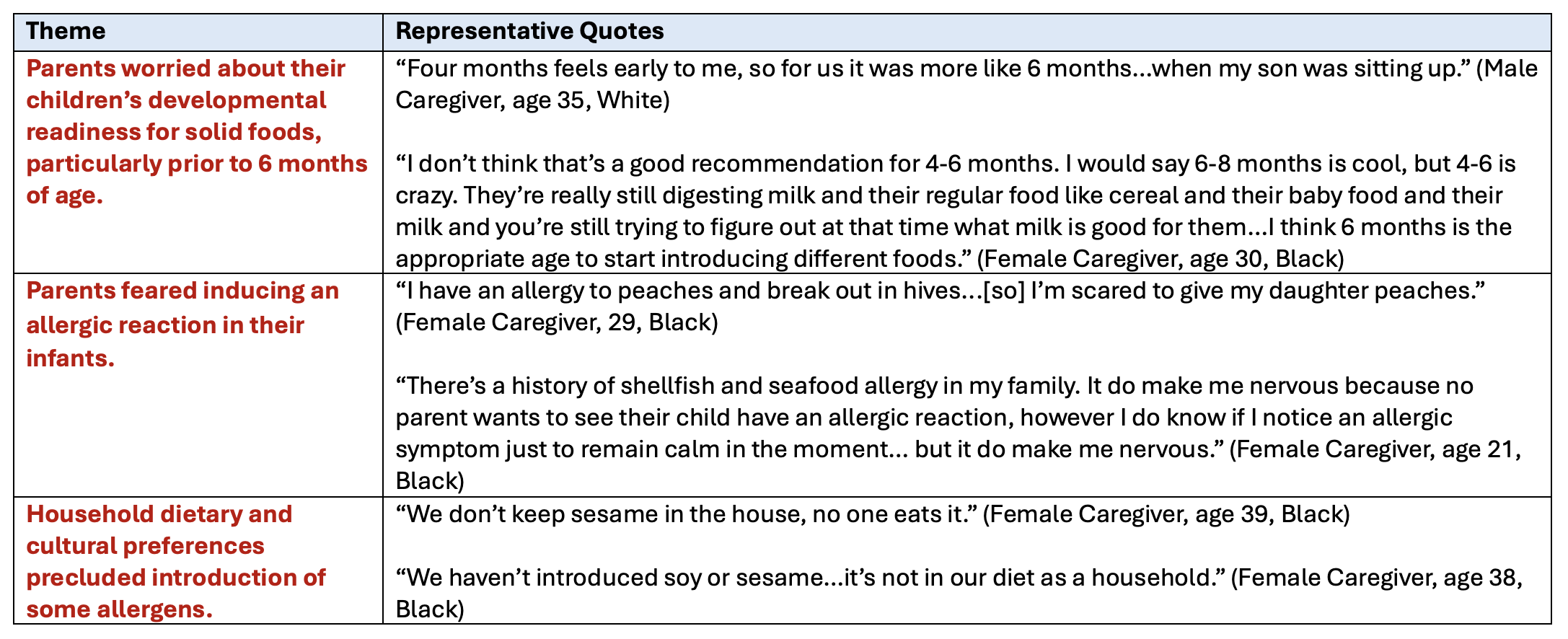
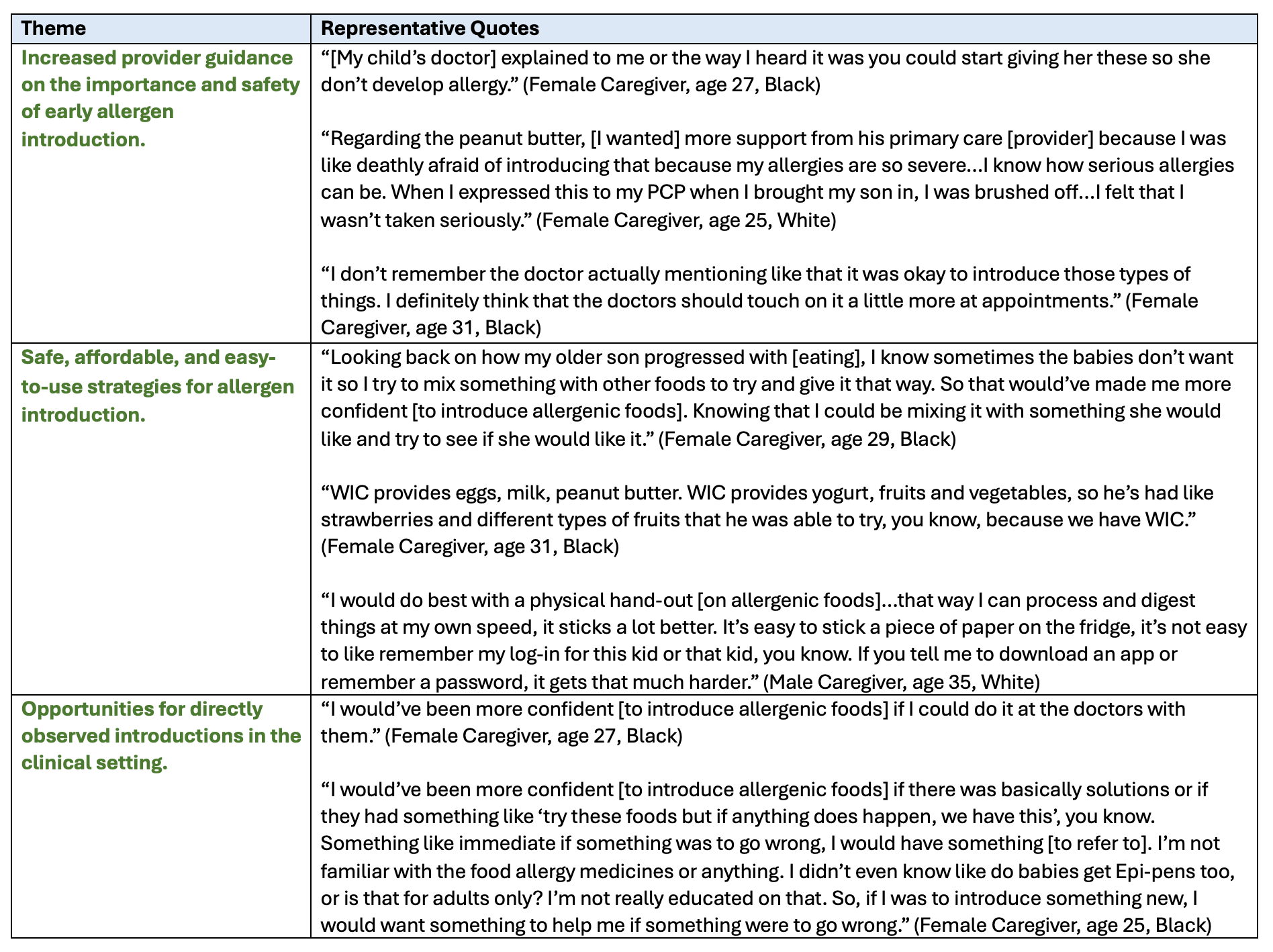
Background: The American Academy of Pediatrics recommends introducing allergenic foods (e.g., peanuts, eggs, dairy) to infants at 4-6 months of age to reduce their risk of developing food allergies. However, infants from families who speak a language other than English (LOE) and those from Black, Hispanic, low-income, and Medicaid-insured families are less likely to be introduced to allergens in infancy, contributing to disparities in food allergy development. Objective: To explore parents' perspectives on early allergenic food introduction, with a focus on perceived barriers and opportunities to improve support for minoritized families. Design/Methods: We interviewed parents of infants aged 6-24 months from two Philadelphia primary care practices serving predominantly Medicaid-insured children. Our interview guide was informed by the Health Belief Model and the Framework of Factors Influencing Food Choice. Interviews explored parents' knowledge of allergenic food introduction guidelines, experiences with and concerns about allergenic foods, perceived barriers and facilitators of early introduction, and economic and cultural factors influencing feeding practices. A brief survey captured participant demographic characteristics. Interviews were audio-recorded, transcribed, and independently coded by two researchers using an inductive thematic analysis approach to identify emerging themes. Results: We interviewed 22 parents (59% identified as Black, 36% spoke a LOE, and 55% received WIC) (Table 1). We identified 3 themes related to barriers to early allergen introduction: (1) worry about children's developmental readiness for solid foods, (2) fear of triggering allergic reactions, particularly in families with a history of food allergy, and (3) household dietary and cultural preferences limited introduction of some allergens such as sesame and soy. We identified 3 themes related to facilitators: (1) clear and proactive provider guidance on the importance and safety of early allergen introduction, (2) safe, affordable, and easy-to-use strategies for introducing allergens (e.g. mixing allergenic foods with familiar foods and printed handouts), and (3) opportunities for directly observed allergen introduction in the health care setting, to ease parental anxiety about potential reactions.
Conclusion(s): We identified modifiable barriers to early allergen introduction and family-centered strategies that may help promote equitable adoption of early allergen introduction practices across diverse families. Further research should evaluate how these approaches can be implemented effectively in pediatric primary care.
Table 1: Demographic Characteristics of Interview Participants (n=22)