517 - Re-envisioning a Pediatric Practice-based Research Network: Findings from Key Informant Interviews with Investigators & Practice Leaders
Monday, April 27, 2026
8:00am - 10:00am ET
Publication Number: 4507.517
Laiba Bajwa, Ann & Robert H. Lurie Children's Hospital of Chicago, Chicago IL, IL, United States; Adam B. Becker, Northwestern University The Feinberg School of Medicine, Chicago, IL, United States; Kathryn (Callie) C. Kaplan, Ann & Robert H. Lurie Children's Hospital of Chicago, Chicago, IL, United States; Emily Golbeck, Ann & Robert H. Lurie Children's Hospital of Chicago, Chicago, IL, United States; Jennifer K. Saper, Ann & Robert H. Lurie Children's Hospital of Chicago, Chicago, IL, United States; MIchelle Macy, Ann & Robert H. Lurie Children's Hospital of Chicago, Chicago, IL, United States
Professor Ann & Robert H. Lurie Children's Hospital of Chicago Chicago, Illinois, United States
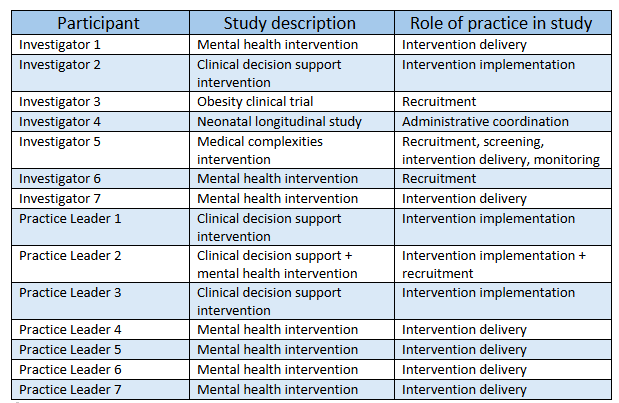
Background: Primary care has undergone massive changes over the past two decades, including the emergence of the electronic health record, practice transformation, and alternative payment models. In parallel, the translational science spectrum has expanded to include the burgeoning field of implementation science. Considering these changes, PBRNs also must evolve. Lurie Children's Community and Provider Input for Learning and Transformation (Co-Pilot) initiative has embarked on the process of re-envisioning the Stanley Manne Children's Research Institute's Practice-based Research Network (PBRN), the Pediatric Practice Research Group (PPRG), founded in 1984. However, little is known about how investigators and practice leaders perceive working with PBRNs. Objective: To uncover key facilitators and barriers in conducting pediatric practice-based research and provide recommendations for PBRN improvement. Design/Methods: As a first step in this process, we conducted virtual and in-person key informant interviews with investigators at Lurie Children's and primary care practice leaders across metropolitan Chicago to gather their perspectives on and experiences with partnering on research. We conducted interviews between December 2024 and July 2025 to explore facilitators and barriers across the following topics: partnership development, administrative processes, data management, communication, and resources. Interviews were recorded, transcribed, and analyzed thematically. Results: 14 participants shared their experiences with practice-based research across different levels of research engagement, including recruitment, enrollment, and intervention. Facilitators of successful partnerships included clear and consistent communication, benefits to clinic staff and patients, mutual interest in the study topic, and educational or skill development opportunities. Challenges included limited clinic capacity, unclear legal and compliance requirements, and inconsistent data management processes. Findings from the interviews point to opportunities for Co-Pilot to redesign processes that increase capacity building, improve coordination with institutional IRB and legal teams, and standardize data management procedures.
Conclusion(s): The PPRG provided great value over its first 40 years through the conduct of research relevant to and supportive of clinical priorities of practice partners. As we move into this new phase of PPRG implementation, there is a need to strengthen the infrastructure and operations to ensure compliance and efficiency.









.jpg "Michelle Macy, MD, MS (she/her/hers) photo")
.png)
