Session: Health Equity/Social Determinants of Health 3
220 - Social Determinants of Health Correlation with Severity and Hospital Outcomes in Pediatric Patients Treated for Acute Osteomyelitis
Friday, April 24, 2026
5:30pm - 8:00pm ET
Publication Number: 1209.220
Eddie Geagea, Nemours Children's Hospital, Orlando, FL, United States; Avery Allen, University of Central Florida College of Medicine, Kissimmee, FL, United States
Research Fellow Nemours Children's Hospital Orlando, Florida, United States
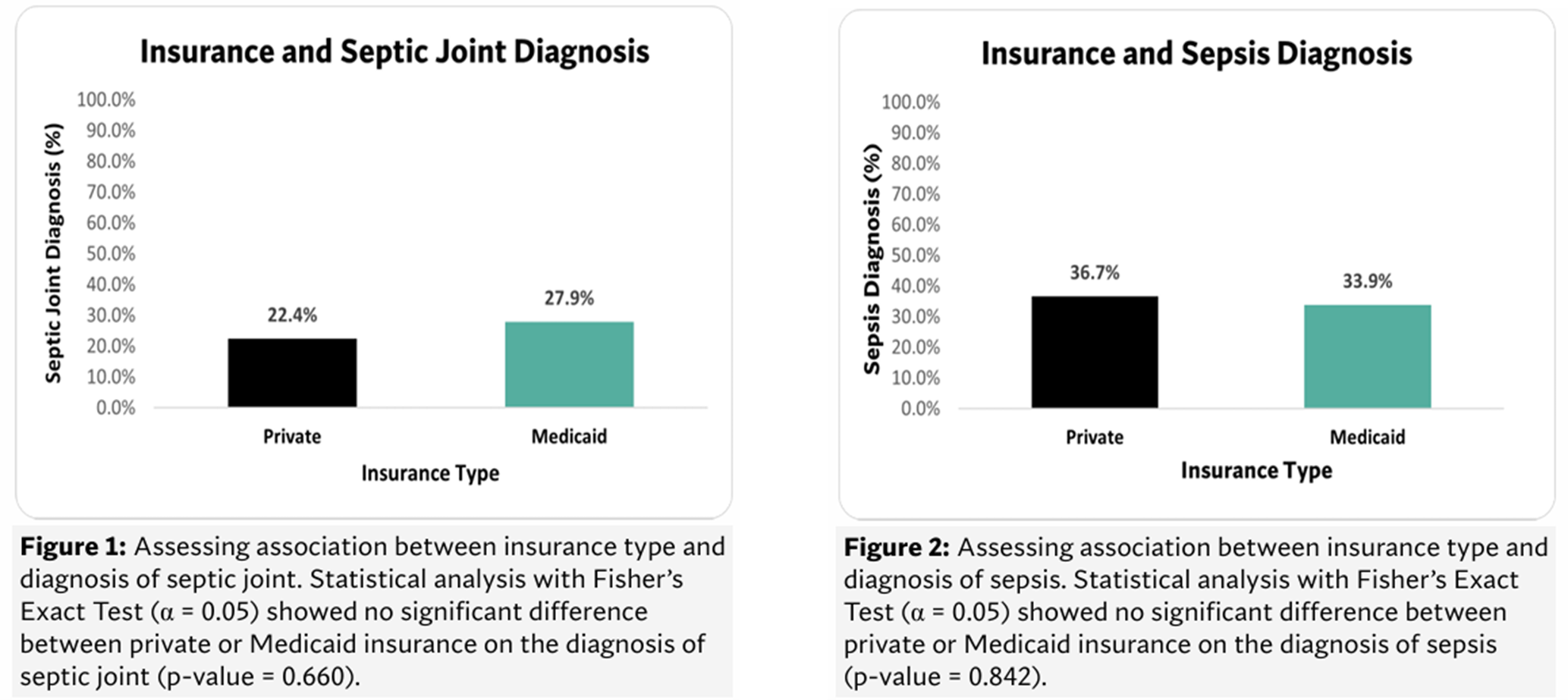
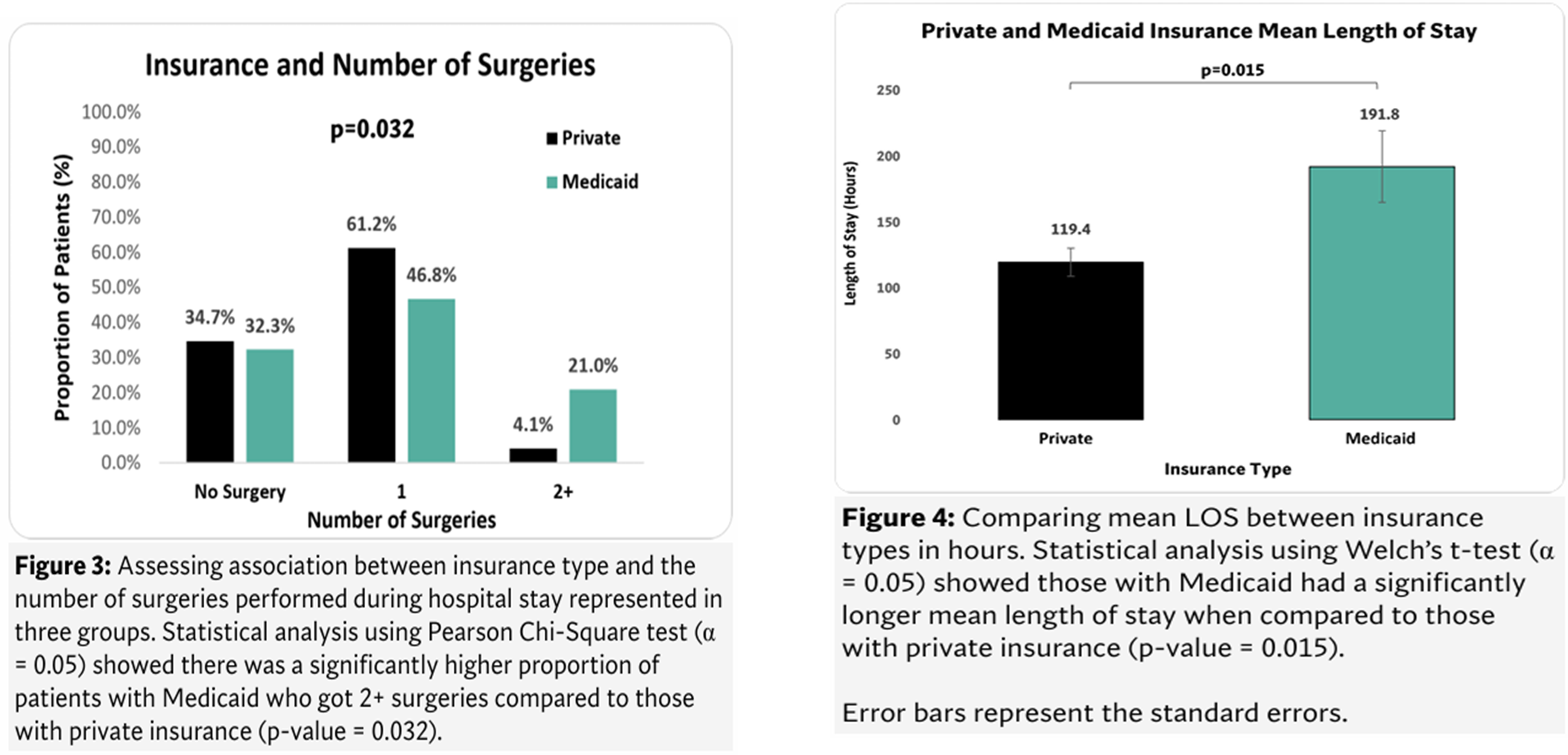
Background: Pediatric acute osteomyelitis frequently necessitates hospitalization, antibiotics, and surgical debridement. Social Determinants of Health (SDOH) encompass factors such as economic stability, education, healthcare access, neighborhood environment, and social context; however, their impact on osteomyelitis remains unclear. Objective: This study investigated how various SDOH factors affected hospital LOS, sepsis, and septic arthritis, and the number of surgeries during acute osteomyelitis treatment. Design/Methods: We performed a retrospective study of patients < 18 years treated for acute osteomyelitis at a tertiary pediatric hospital between 2019 and 2023. The inclusion criteria were patients under 18 years with an ICD-10 code for acute osteomyelitis and a valid ZIP code. We excluded malignancy, fractures, premature birth, or prior osteomyelitis. SPSS Statistics software was used to calculate Pearson correlation, independent t-tests, chi-square tests, ANOVA tests, and Games-Howell post hoc tests to determine whether various SDOH variables were correlated with LOS, the presence of sepsis or septic arthritis, and the number of surgeries. Twelve SDOH variables were collected from the U.S. Census using patient zip codes, and insurance type was collected from patient charts. Results: A total of 114 patients were included (42 female, 72 male). Sepsis was reported in 40 of the patients, and septic joints were reported in 28. The mean and median LOS were 157.54 and 99.41 hours, respectively. Patients with Medicaid had significantly longer LOS compared to those with private or TRICARE (military insurance). Additionally, a significantly higher proportion of patients with Medicaid received 2+ surgeries when compared to those with private insurance (21% vs 4% respectively). There was no significant correlation between U.S. Census SDOH variables and LOS, sepsis, or septic joint development, or the number of surgeries received during their hospital stay.
Conclusion(s): The significant increase in mean LOS and surgical burden for families with Medicaid could indicate higher osteomyelitis severity or bias affecting treatment efficacy for this group. Insurance type served as a more direct indicator for each patient's SDOH status, while using U.S. Census data based on zip code was an indirect measure. Insurance type will be used as a metric in future studies on SDOH and osteomyelitis. These results may indicate a negative bias associated with caring for patients with osteomyelitis who had Medicaid.
Summary of both demographic and clinical characteristics for the 114 patients in this study.
Assessing association between insurance type, diagnosis of septic joint and diagnosis of sepsis.
Insurance Type, Surgical Count (Three Groups), and Mean LOS (Hours)









.png)