Session: Neonatal Pulmonology - Clinical Science 2: Bronchopulmonary Dysplasia II
390 - Impact Of Bevacizumab Treatment for Retinopathy of Prematurity on The Progression Of Bronchopulmonary Dysplasia: A Matched Case-Control Study
Friday, April 24, 2026
5:30pm - 8:00pm ET
Publication Number: 1374.390
Catherine Beaulieu, University of Tennessee Health Science Center College of Medicine, Knoxville, TN, United States; Mohamad Elabiad, University of Tennessee Health Science Center, Memphis, TN, United States
Professor University of Tennessee Health Science Center Memphis, Tennessee, United States
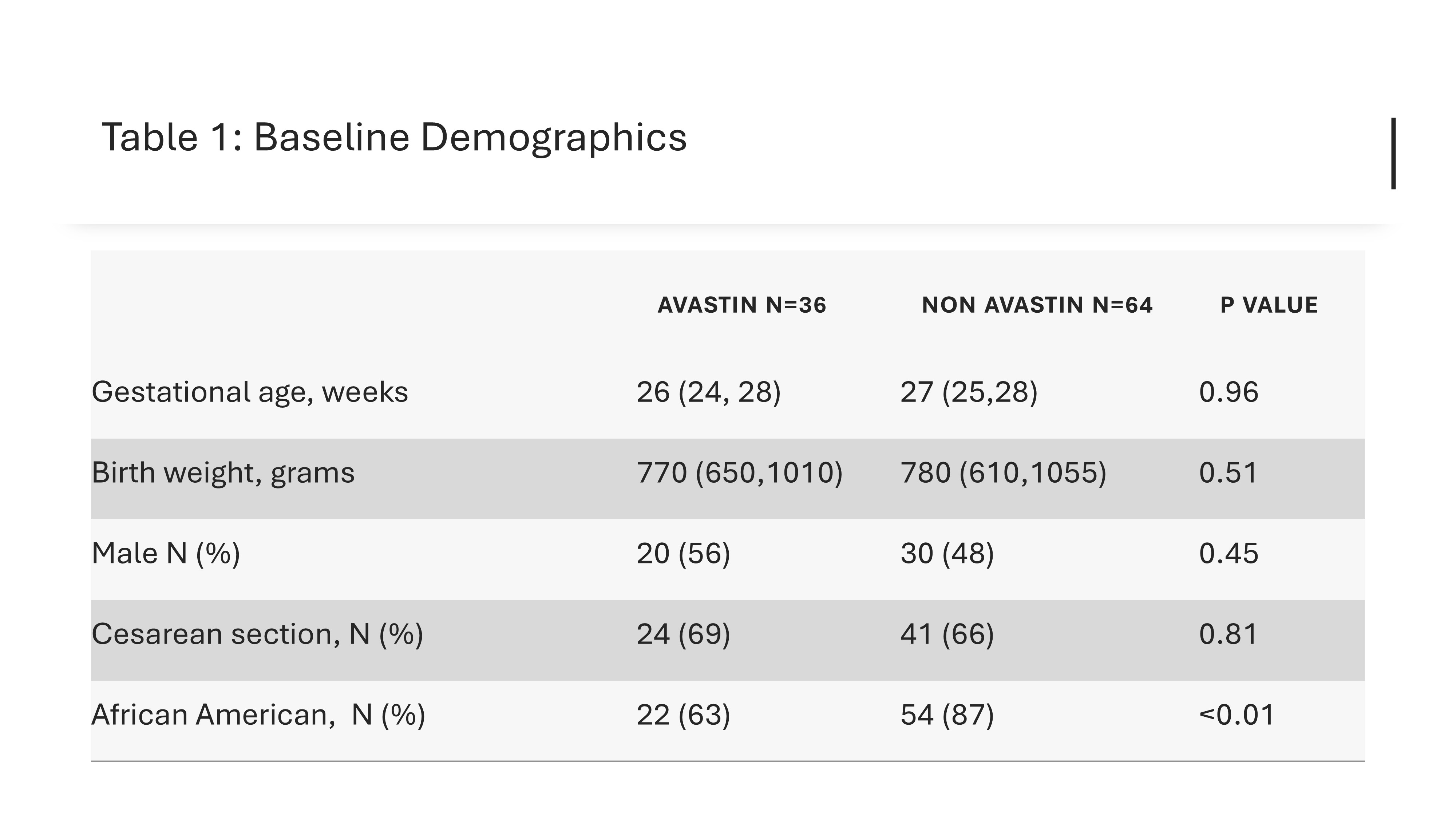
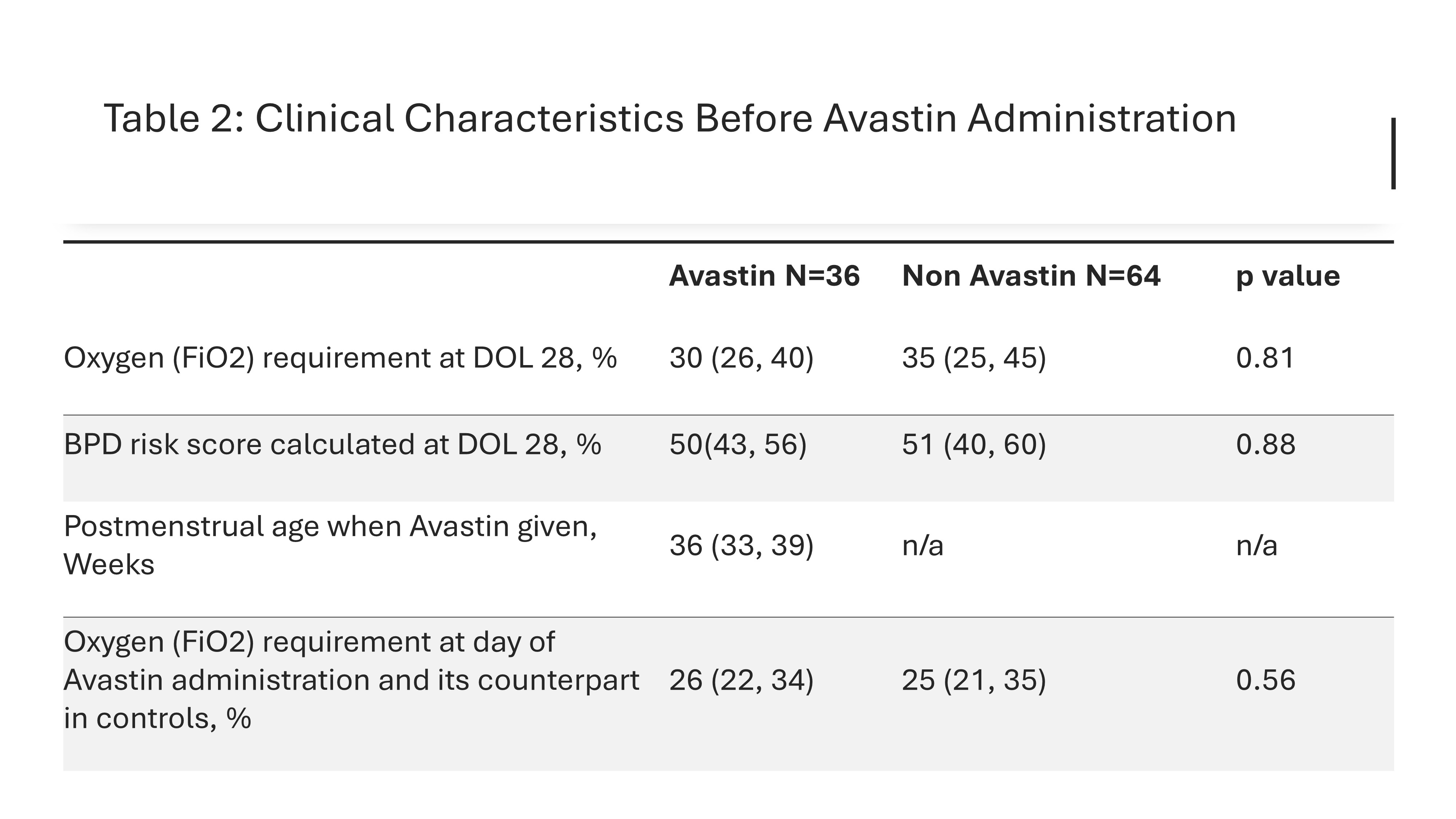
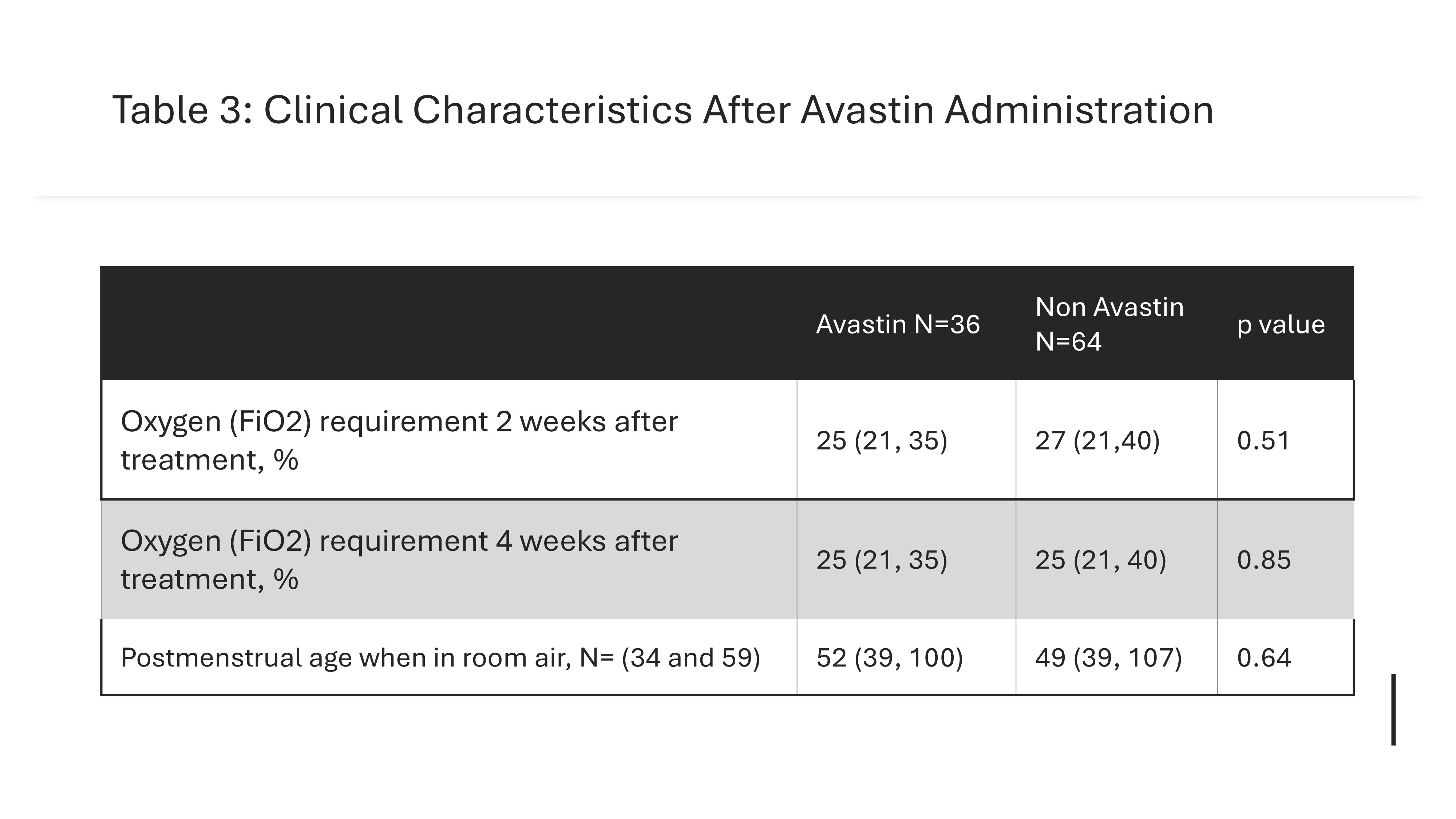
Background: Anti-vascular endothelial growth factor (VEGF) therapy is increasingly used to treat retinopathy of prematurity (ROP), but VEGF is essential for pulmonary vascular development. Systemic absorption of intravitreal bevacizumab (BEV), an anti-VEGF agent, if it happens, may impair pulmonary angiogenesis and worsen bronchopulmonary dysplasia (BPD). Objective: This study hypothesized that in premature infants with ROP, compared with matched infants with similar respiratory status who did not receive BEV, BEV administration is associated with BPD development or progression. Design/Methods: We conducted a retrospective matched case-control study in two tertiary NICUs (Regional One Health and Le Bonheur Children's Hospitals, Memphis, TN), including preterm infants (22-28 weeks' gestation) admitted between 2019 and 2025. Infants receiving BEV were matched 1:2 to controls using the Neonatal Research Network BPD Outcome Estimator at day of life (DOL) 28, matched on gestational age, birth weight, sex, necrotizing enterocolitis, respiratory support, and fraction of inspired oxygen (FiO₂). Respiratory support and postmenstrual age (PMA) were recorded at BEV administration; the same PMA was used as reference for controls. Primary outcomes were respiratory status at 2- and 4-weeks post-treatment. Categorical variables were analyzed using chi-square tests, and continuous variables were assessed using independent t-tests or Wilcoxon-Mann-Whitney tests. Multivariate analyses were performed to account for baseline differences. Results: Of 100 eligible infants, 36 received BEV. Baseline characteristics were comparable. Median gestational age and birth weight were 26 (24-28) weeks and 770 g (650-1,010) in the BEV group, and 27 (25-28) weeks and 780 g (610-1,055) in controls, p=0.96 and p=0.51 respectively (Table 1). FiO₂ and BPD risk at DOL 28 were similar between groups (Table 2). At matched PMAs, BEV-treated infants showed no increased respiratory support at 2 or 4 weeks versus controls. Time to room air did not differ (median 52 vs. 49 weeks PMA; p=0.64). Trajectories were consistent with expected maturation without signs of BEV-related respiratory decline (Table 3).
Conclusion(s): In this matched case-control cohort of very preterm infants, intravitreal BEV for ROP was not associated with worsening respiratory status or delayed oxygen weaning. These findings support the short-term pulmonary safety of BEV in this context and highlight the need for prospective studies incorporating pharmacokinetics and long-term respiratory and neurodevelopmental outcomes.
Table 1: Baseline Demographics
Table 2: Clinical Characteristics Before Avastin Administration
Table 3: Clinical Characteristics After Avastin Administration