Session: Developmental and Behavioral Pediatrics 1: Autism
77 - An Interdisciplinary Team-Based Approach to Early Identification and Diagnosis of Autism Spectrum Disorder in Pediatric Primary Care : Extension of the HealthySteps Model
Friday, April 24, 2026
5:30pm - 8:00pm ET
Publication Number: 1069.77
Kimberly Burkhart, UH Rainbow Babies & Children's Hospital, Cleveland, OH, United States; Emily Roemhild, University Hospitals, Cleveland, OH, United States; Eva Johnson, UH Rainbow Babies & Children's Hospital, Cleveland, OH, United States; Sarah D. Ronis, University Hospitals Rainbow Babies and Childrens Hospital, Cleveland Hts, OH, United States; Kristen Sanford, UH Rainbow Babies & Children's Hospital, Cleveland, OH, United States
Associate Professor of Pediatrics UH Rainbow Babies & Children's Hospital Avon, Ohio, United States
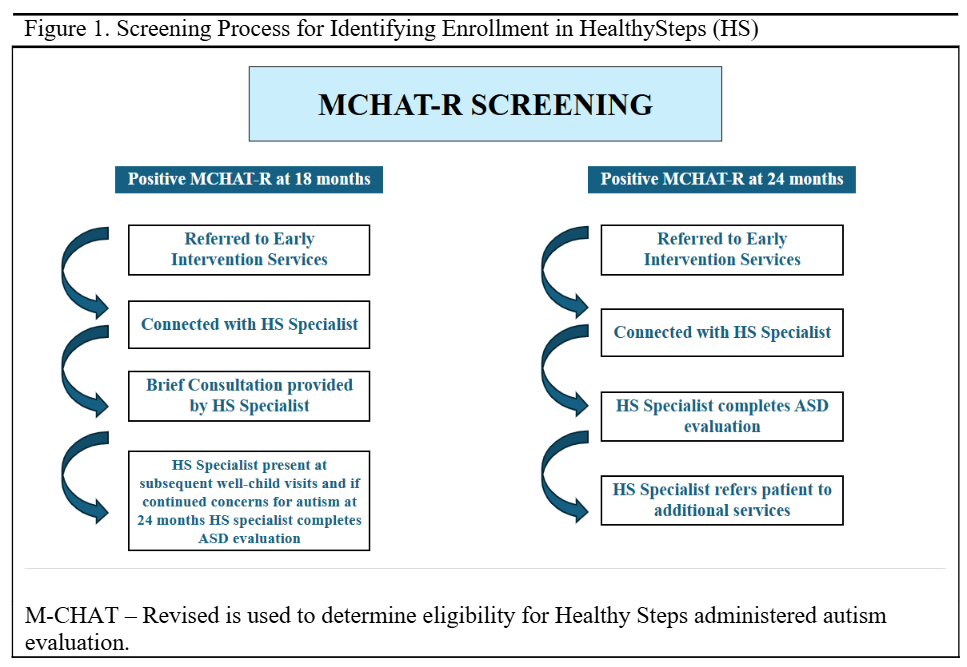
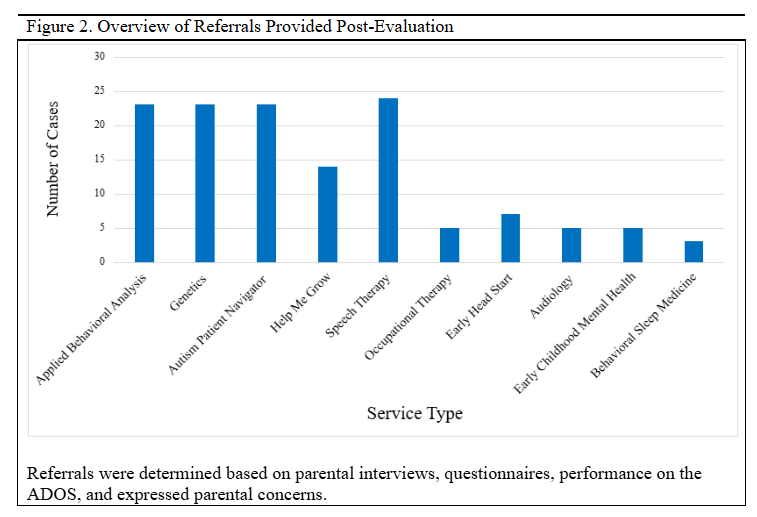
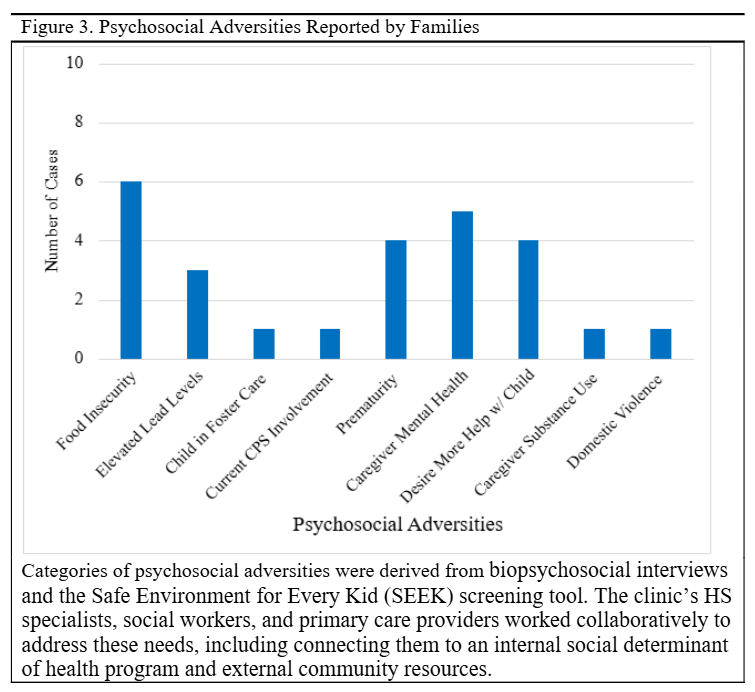
Background: CDC estimates indicate that 1 in 31 children have autism spectrum disorder (ASD) with a median age of 5 years at time of diagnosis. There has been a significant increase in the need for early identification and diagnosis of ASD. Long wait times and limited access to subspecialists serve as barriers to timely diagnosis and subsequent early intervention. The medical home and HealthySteps (HS) model in particular offer a unique opportunity to screen for and address developmental delays while also attending to psychosocial risk factors to increase access to equitable care. Objective: To examine a novel approach to identifying and assessing children for ASD in the pediatric primary care setting. Design/Methods: A retrospective descriptive data analysis was completed for children aged 18-34 months with a positive M-CHAT-R in an urban pediatric practice piloting a new approach for ASD assessment using the HS model. The Practice includes 9 pediatricians, 2 nurse practitioners, nurses (RNs, LPNs), social workers, and mental health practitioners/HS specialists (LISW, LPCC, clinical psychologists). Of the families served, 91% are covered by Medicaid and 77% identify as African American. Annually, over 3,300 children birth to three are seen for primary care. See Figure 1 for the service pathway for positive MCHAT-R screens. Results: There were 120 positive M-CHAT-R screens for patients aged 18-36 months during the evaluation period of October 2024 to July 2025 (89 were completed for the 18 month visit and 31at the 24 month visit). Forty-two of these children were referred for an autism evaluation through HS. Nine families no-showed for their evaluation resulting in a total of 33 children evaluated by HS psychologists. Of those 33, 11 were female (33%), 32 were covered by Medicaid (97%), and all but one child (multi-racial) identified as African American. The average age of female children at the time of evaluation was 30 months old and for males, 28 months. The evaluations were suggestive of autism spectrum disorder for 23 (70%) patients. Families waited on average 58 days from date of referral to date of evaluation. See Figure 2 for referrals that resulted from the evaluations and Figure 3 for the psychosocial adversities that were addressed and supported through the HS model at the time of feedback.
Conclusion(s): The pilot approach to ASD evaluation reduced wait times (decreased from average local times of 12 to 18 months to less than 60 days), decreased age of diagnosis in comparison to the national median age of diagnosis, and resulted in decreased barriers to accessing care by addressing psychosocial adversities.
Figure 1. Screening Process for Identifying Enrollment in HealthySteps (HS)
Figure 2. Overview of Referrals Provided Post-Evaluation
Figure 3. Psychosocial Adversities Reported by Families