329 - Next-Generation Mass Spectrometry Uncovers Comprehensive Proteome Changes and Key Pathway Dysregulations in Bronchopulmonary Dysplasia
Friday, April 24, 2026
5:30pm - 8:00pm ET
Publication Number: 1313.329
Tara Sudhadevi, Cochin University of Science and Technology, Poojappura, Kerala, India; Filipa Blasco, Case Western Reserve University School of Medicine, CLEVELAND, OH, United States; Daniela Schlatzer, CWRU School of Medicine, Cleveland, OH, United States; Mark Chance, Case Western Reserve University School of Medicine, Cleveland, OH, United States; Anantha Harijith, University of Arizona, TUCSON, AZ, United States
Professor of Pediatrics University of Arizona TUCSON, Arizona, United States
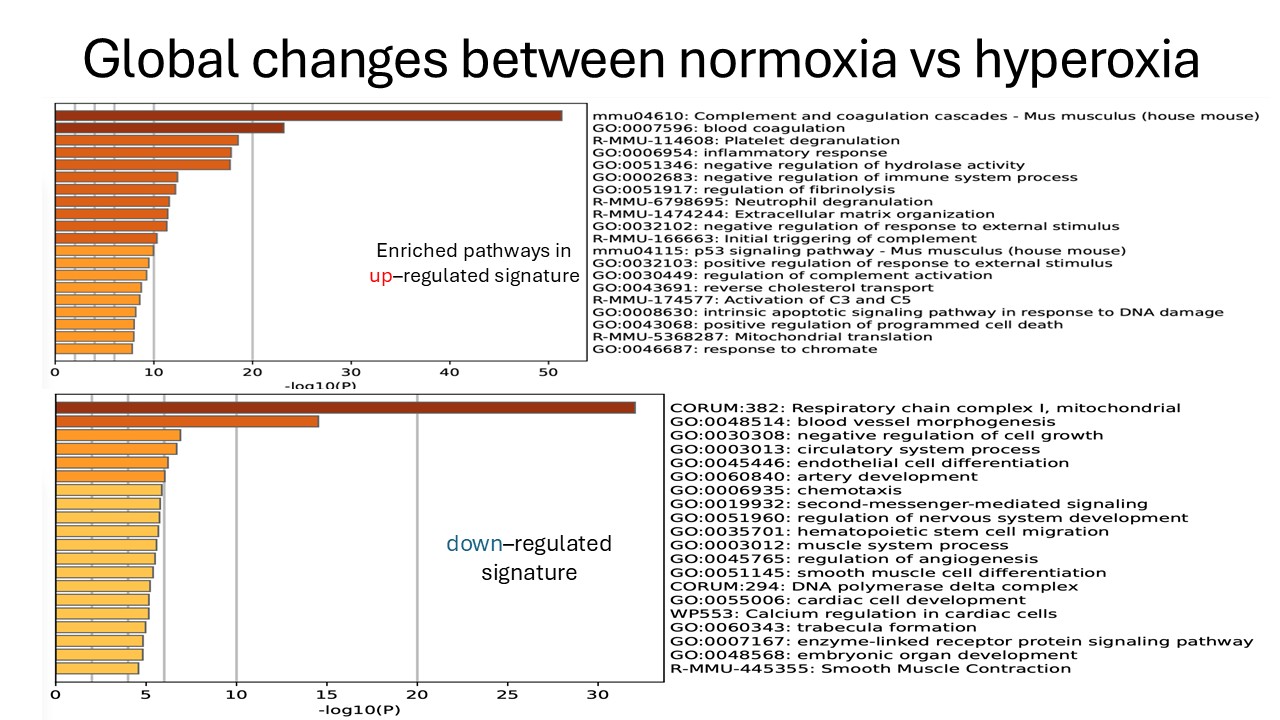
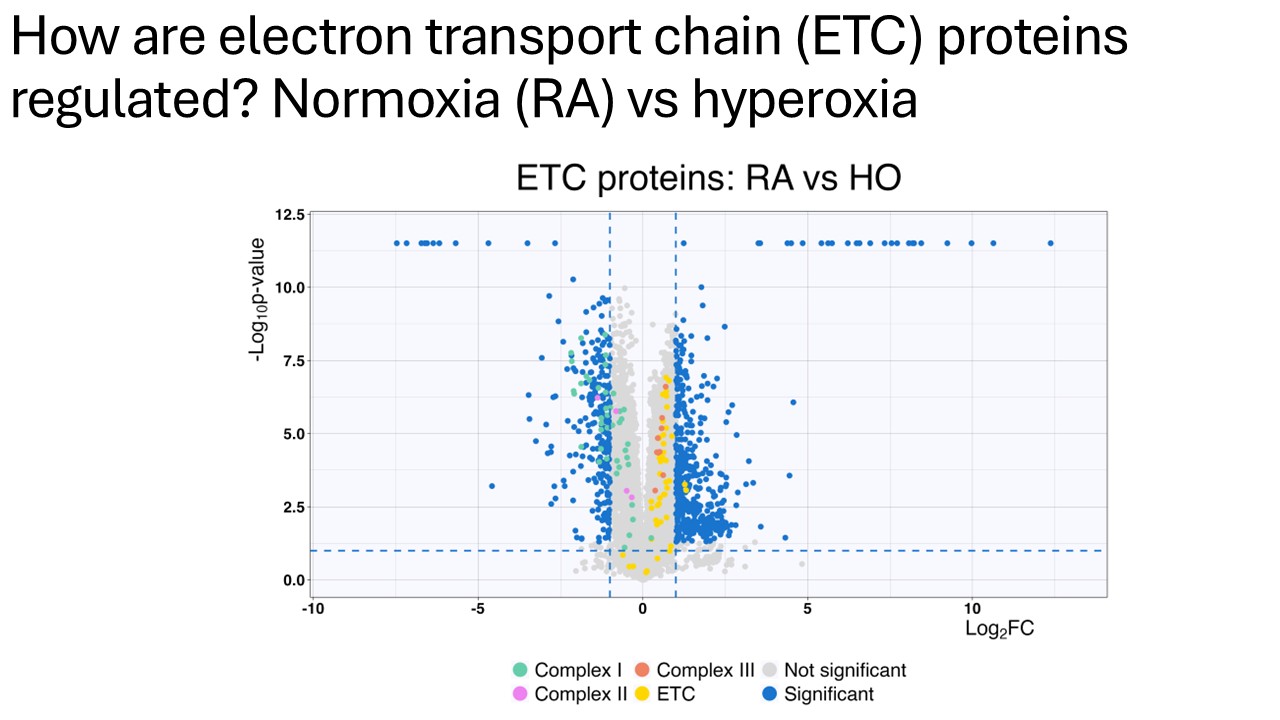
Background: Importance of proteomics in the pathogenesis of Bronchopulmonary dysplasia (BPD) is gaining importance as it throws light into the pathogenesis of the developing lung disease. Recent technological advances in mass spectrometry, including timsTOF Ultra with dia-PASEF workflows, have enabled rapid and high-coverage proteome analysis, facilitating new biological insights relevant to BPD pathogenesis. Objective: BPD is a chronic lung disease that affects up to 40% of extremely low birth weight preterm infants. Our objective was to leverage next-generation mass spectrometry for in-depth characterization of proteomic alterations and sex-specific signatures in a hyperoxia-induced mouse model of bronchopulmonary dysplasia BPD. Design/Methods: Neonatal mice were exposed to 85% oxygen (hyperoxia, HO) or room air (normoxia, NO) for 14 days. Lung tissues collected were analyzed using histology, mass spectrometry, western blotting, and bioenergetic assays. Whole-lung tissues were collected from normoxic and hyperoxic mice. Proteomes were analyzed using Bruker timsTOF Ultra mass spectrometry and data-independent acquisition, yielding comprehensive, quantitative profiles. Differentially expressed proteins and enriched biological pathways were identified using Reactome analysis, with attention to temporal and sex-linked changes. Results: : Our approach quantified 13,481 proteins, representing a threefold increase in coverage compared to previous BPD studies and mapped 676 enriched pathways, with >90% coverage of the Respiratory Electron Transport pathway. We confirmed significant dysregulation of canonical BPD markers in our analysis, with Aldh1a2 found to be upregulated, Ndufv1 and Ndufs1 consistently downregulated, and Sftpd exhibiting a marked increase in expression under hyperoxic conditions. In total, 916 proteins were differentially expressed by hyperoxia, affecting critical pathways including the electron transport chain and complement activation. Sex-stratified analysis highlighted both shared and unique proteomic alterations in males and females, with a predominant downregulation of ETC components under hyperoxia.
Conclusion(s): Ultra-deep proteomics using advanced mass spectrometry greatly expands discovery of disease and sex-linked changes in the BPD lung, offering new pathways and biomarkers for further investigation
Global changes between normoxia and hyperoxia
Regulation of electron transport chain (ETC) proteins. Normoxia vs hyperoxia
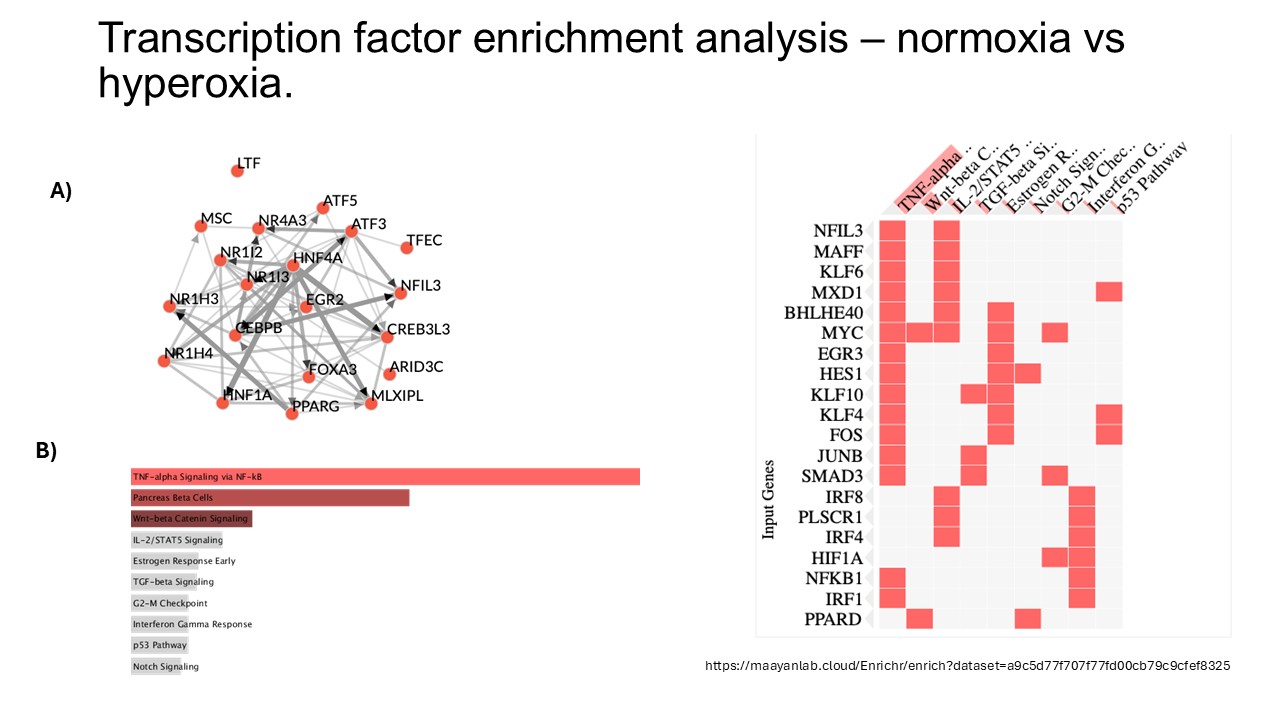
Transcription factor enrichment analysis - normoxia vs hyperoxia.