290 - Pediatric Residents’ Perspectives on their Professional Identity Formation as Educators
Friday, April 24, 2026
5:30pm - 8:00pm ET
Publication Number: 1276.290
Sarah N. Fox, Children's Hospital Colorado, Denver, CO, United States; Kirsten Snook, Children's Hospital Colorado, Denver, CO, United States; Kimberly O'Hara, Children's Hospital Colorado, Denver, CO, United States; Barry Seltz, University of Colorado School of Medicine, Aurora, CO, United States
Children's Hospital Colorado Denver, Colorado, United States
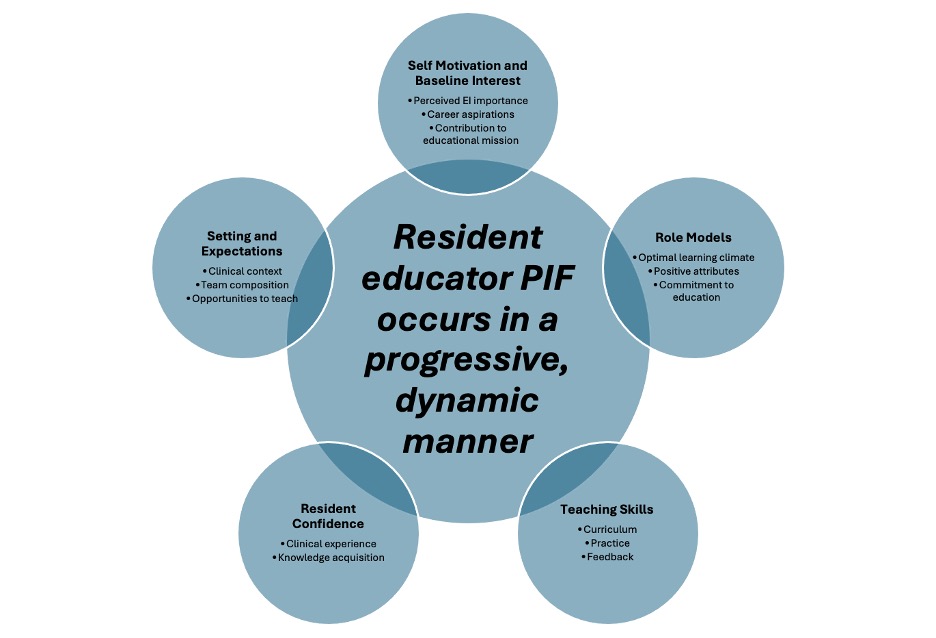
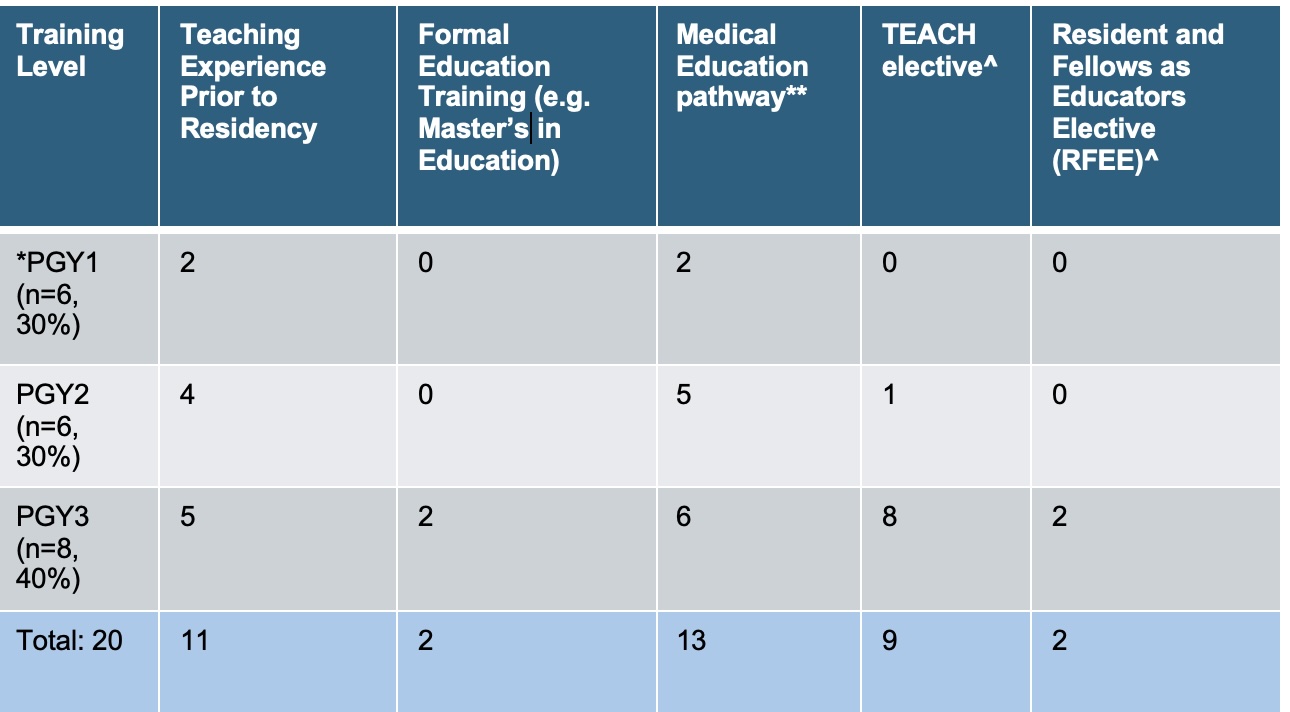
Background: Supporting the development of a professional identity is a goal of medical education. Budding a skilled physician workforce that identifies as clinician-educators is necessary to advance the field of medical education and thus, medicine. Yet, how residents develop an educator identity has not been well explained. Objective: To explore pediatric resident perspectives on their professional identity formation (PIF) as clinician educators. Design/Methods: Informed by the Cruess model of factors influencing PIF, with grounded theory methodology, we conducted a qualitative study with pediatric residents at a university-affiliated free-standing children's hospital. Using a semi-structured interview guide, two resident investigators conducted 20 individual interviews from December 2024-October 2025 with pediatric residents from all three training years. Purposeful sampling occurred until achieving information power. Interviews were audio recorded and transcribed. Using the constant comparative method, all four investigators (2 faculty, 2 residents) analyzed the data, developing codes and grouping them into themes. Discrepancies were resolved by consensus. Results: Demographic data of participating residents are shown in Table 1. Data analysis revealed resident PIF as an educator is progressive and dynamic through training; 5 other themes and several subthemes influence PIF development (Figure 1). Residents noted having a baseline interest in medical education and self-motivation to teach and contribute to the educational mission are key attributes for educator PIF. Confidence to teach, fostered through clinical experiences and knowledge acquisition also promoted PIF. Developing one's teaching skills through residency curricula, practice, and feedback was crucial to PIF. Also, committed and enthusiastic clinician-educator role models showed how to be effective teachers, inspiring residents to become educators. Lastly, having a teaching role in the clinical learning environment, with cultural expectations and programmatic opportunities to teach, greatly impacted educator PIF. Yet, the teaching role and expectations varied by rotation, presence of learners, and year of residency; senior residents reported having more opportunities to teach than Interns. Table 2 summarizes our findings with quotes for each theme.
Conclusion(s): Pediatric resident educator PIF, influenced by multiple individual and programmatic factors, occurs in a dynamic and progressive manner. Our findings align with the Cruess model of PIF as they highlight the impact of the clinical learning environment on resident educator identity development.
Table 1: Demographic data of the 20 categorical pediatric residents who participated in the individual interviews. *PGY: post-graduate year **Medical Education pathway: opt-in pathway for residents to focus on improving one's clinical and non-clinical educator skills. ^TEACH elective and RFEE are both medical education electives at our institution for residents and fellows to hone their teaching and educator skillsets.
Figure 1: Conceptual model showing the factors influencing resident development of an educator identity.
Table 2: Themes, sub-themes, and illustrative quotes pulled from our 20 interviews Table 2.jpeg









 *PGY: post-graduate year