501 - Well-being of Children and Youth with Special Health Care Needs and Their Families
Friday, April 24, 2026
5:30pm - 8:00pm ET
Publication Number: 1481.501
Jeffrey P. Brosco, University of Miami Leonard M. Miller School of Medicine, Key Biscayne, FL, United States; Jessica J. Minnaert, Maternal and Child Health Bureau Health Resources and Services Administration, Rockville, MD, United States; Mary Kay Kenney, Maternal and Child Health Bureau Health Resources and Services Administration, Rockville, MD, United States; Cristina Novoa, Maternal and Child Health Bureau Health Resources and Services Administration, Rockville, MD, United States; Ashley H. Hirai, Maternal and Child Health Bureau
Health Resources and Services Administration, Rockville, MD, United States; Julie Donney, Maternal and Child Health Bureau Health Resources and Services Administration, Rockville, MD, United States; Hannah Kotz, Maternal and Child Health Bureau Health Resources and Services Administration, Rockville, MD, United States; Reem Ghandour, Maternal and Child Health Bureau Health Resources and Services Administration, Rockville, MD, United States
Professor, Clinical Pediatrics University of Miami Leonard M. Miller School of Medicine Key Biscayne, Florida, United States
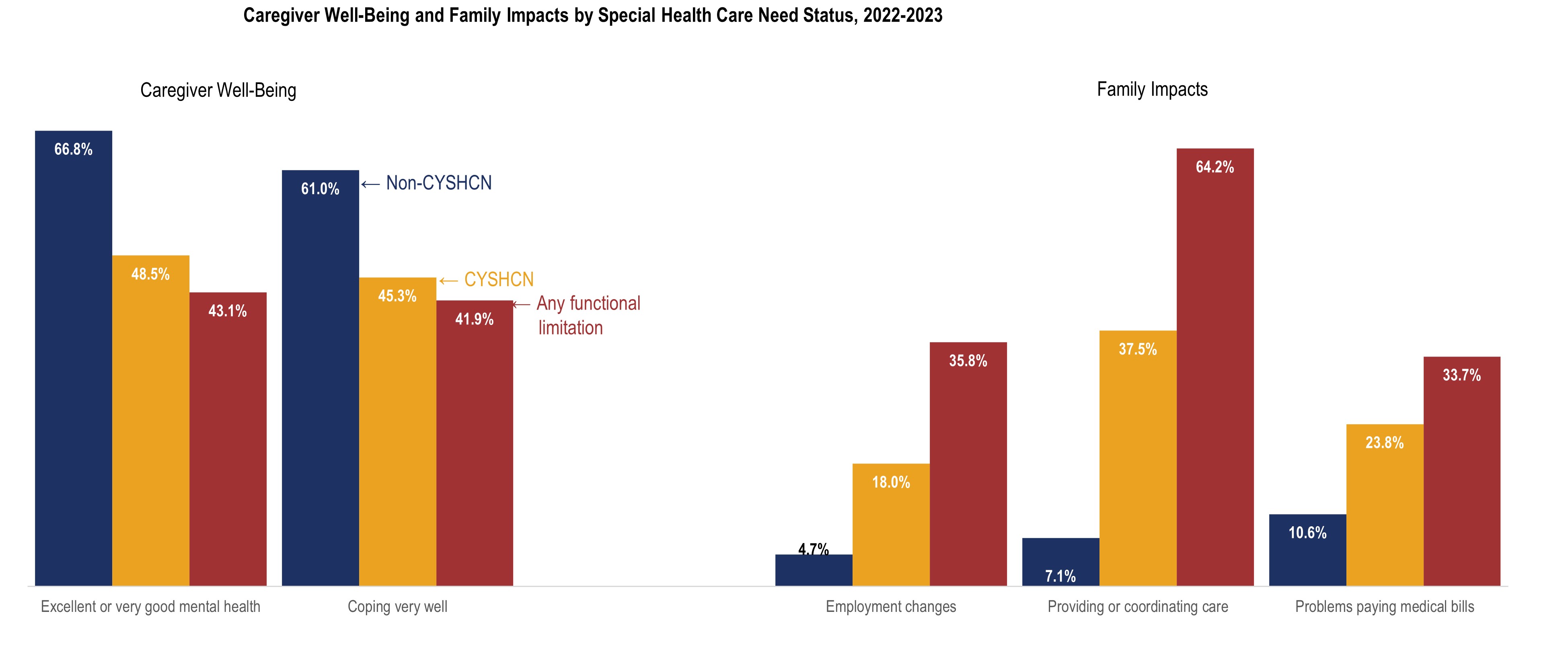
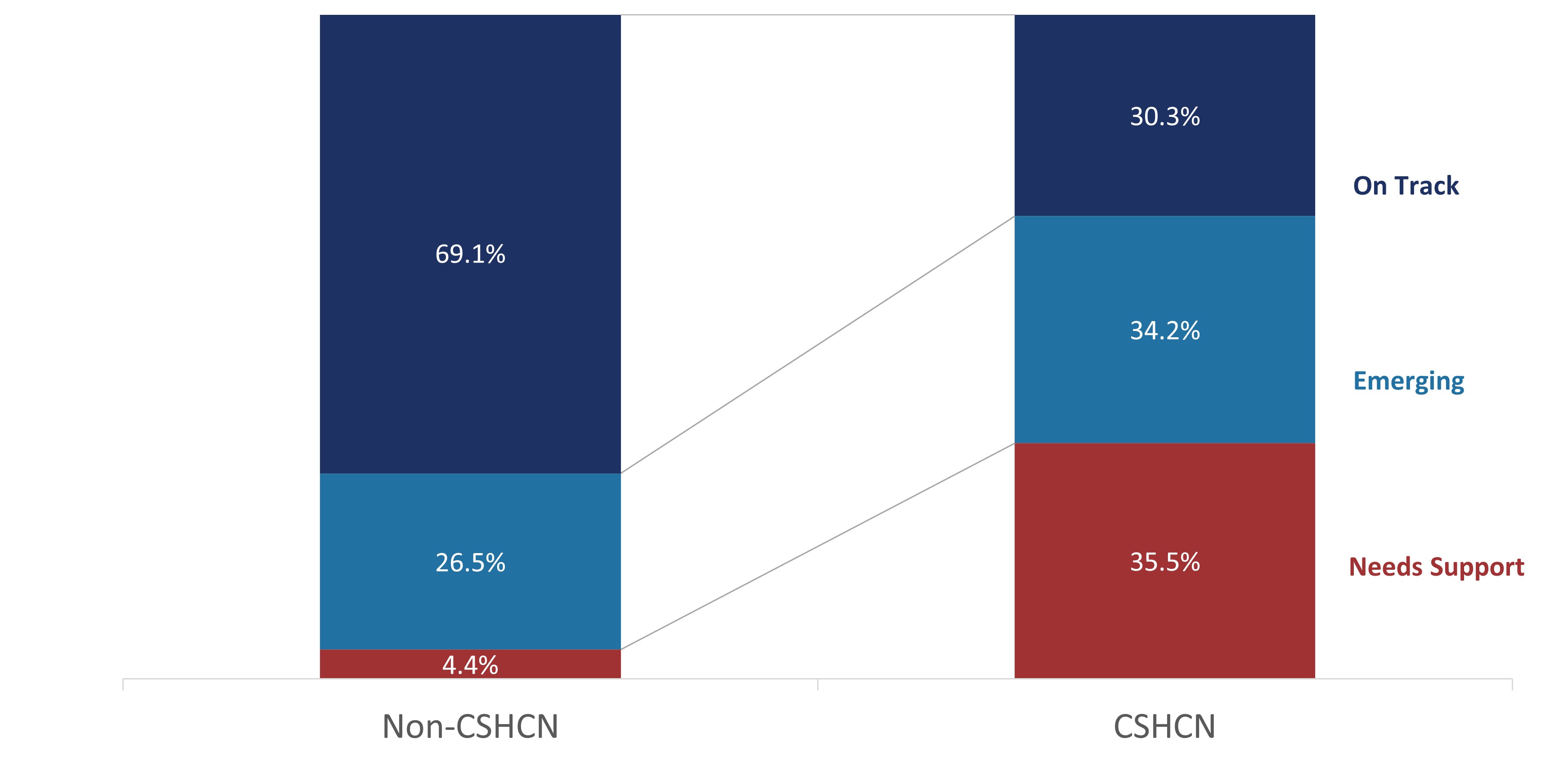
Background: Children and youth with special health care needs (CYSHCN) are children who have chronic conditions, such as autism or asthma, and need more services than their peers. Because many pediatric chronic conditions are rare or ultrarare, the CYSHCN categorization is a useful policy and research tool. Objective: To describe the prevalence and well-being of CYSHCN and their families in the United States. Design/Methods: Data from the 2023 and 2024 Nation Survey of Children's Health (NSCH) were used to characterize CYSHCN and their families. The NSCH is the largest national- and state-level survey on the health and health care needs of children ages 0-17 and their families. It is an annual household survey completed by a parent or guardian. The NSCH identifies CYSHCN using 5 screener questions that ask whether a child has service needs or limitations due to a health condition that has lasted or is expected to last 12 months or longer. In 2024 the approach to identifying CYSHCN was expanded to include caregiver report of specific conditions (e.g., asthma, autism) and difficulties (e.g., breathing, digesting food, concentrating), even when not captured by the initial 5 questions. Within the CYSHCN designation, "functional impairment" was further determined by asking caregivers if a child is limited in activities compared to other children their age. Bivariate associations were assessed by SHCN status and type using χ2 tests between three groups of indicators: 1) flourishing (e.g., curiosity, resilience); 2) family impact (e.g., coping, employment); and 3) kindergarten readiness (e.g., early learning skills, self-regulation). Relationships between functional health indicators, child, family, and community factors, and SHCN type were examined, accounting for the complex survey design. Analyses were conducted using SAS-callable SUDAAN. Results: In 2022-23, more than 1 in 4 children (26.2%) had a SHCN. Compared to school-aged children 6-17 years old without a SHCN, CYSHCN fared worse on well-being measures, particularly those CYSHCN with functional limitations (Figure 1). Their families also reported more concerns on measures of caregiver well-being and family impact (Figure 2). For kindergarten readiness, 3- to 5-year-old CSHCN were much less likely to meet the definition of being healthy and ready to learn (38.2% versus 70.9%) (Figure 3).
Conclusion(s): As a group, CYSHCN and their families are less likely to thrive. Data from the NSCH can help researchers and public health officials prevent chronic conditions and ameliorate their consequences.










.jpg)