Session: Mental Health 1: Mental Health in Acute Settings
127 - The Serenity Project: Embedding Maternal Mental Health Screening and Support in the NICU to Improve Family Wellbeing and Infant Outcomes
Friday, April 24, 2026
5:30pm - 8:00pm ET
Publication Number: 1117.127
Shaylin D. Zoellner, University of the Incarnate Word School of Osteopathic Medicine, San Antonio, TX, United States; Pratik Parikh, Baylor College of Medicine, San Antonio, TX, United States
MS-III University of the Incarnate Word School of Osteopathic Medicine San Antonio, Texas, United States
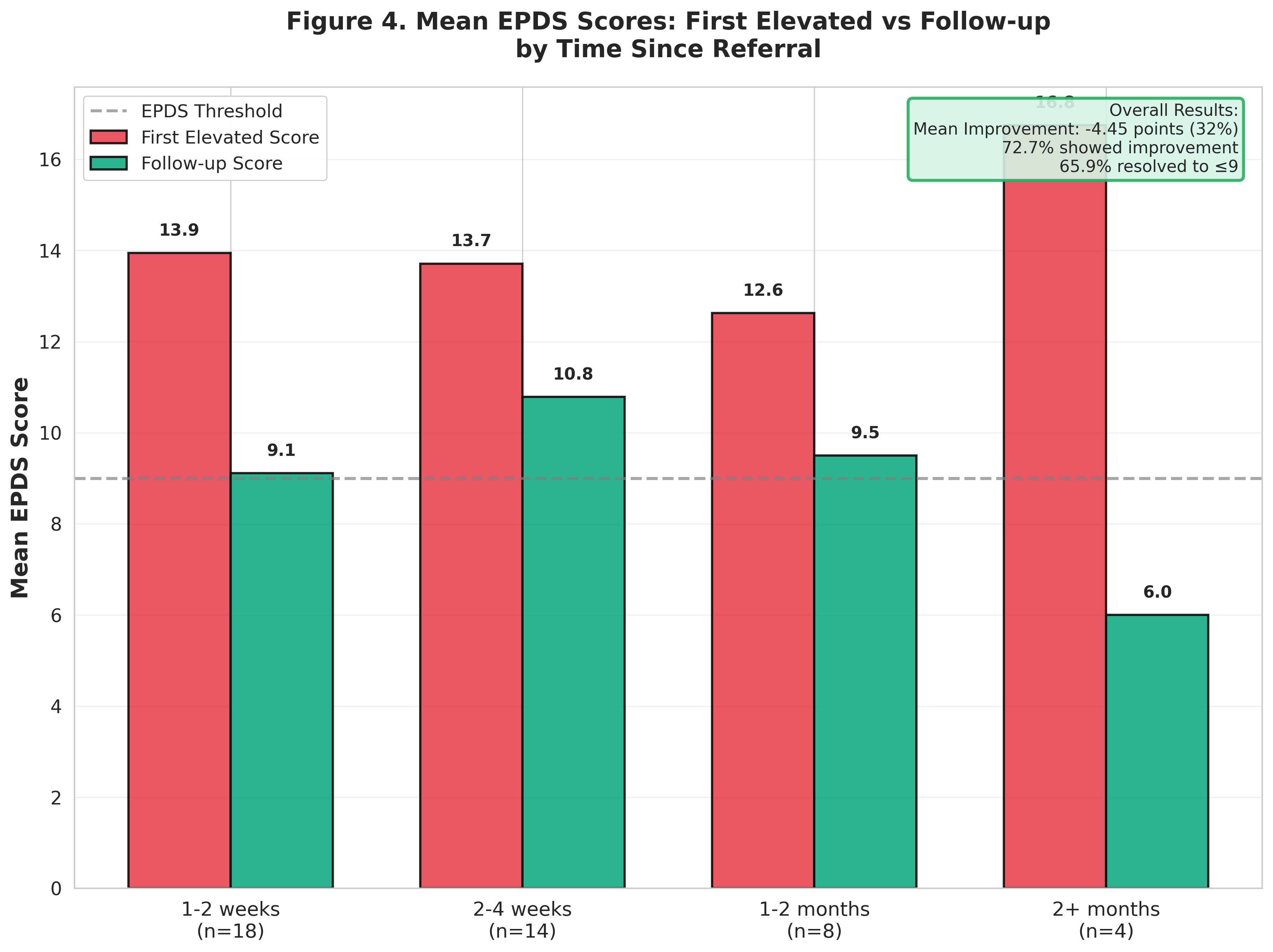
Background: Postpartum depression and stress contribute significantly to maternal morbidity, yet these issues are often overlooked when mothers face the added challenges of having an infant in the NICU. The Serenity Project was created to integrate a consistent, compassionate approach to screening and referral aimed at identifying mood and stress disorders early and ensuring timely support for mothers during their NICU stay. Objective: To evaluate the implementation of a structured maternal mental-health screening and referral program in the NICU and to measure screening compliance, prevalence of elevated EPDS scores, correlation between depression and stress, and maternal outcomes after referral. Design/Methods: This ongoing Quality Improvement (QI) project was reviewed by the CHRISTUS Health Institutional Review Board and determined to be exempt. Data were collected from May 2024 through October 2025. Mothers were screened using the Edinburgh Postnatal Depression Scale (EPDS) and the Paternal Stress Scale (PSS) at admission or shortly after delivery, followed by screenings at 48 hours, 1 week, 2 weeks, and monthly during hospitalization. A score greater than 9 on the EPDS prompted provider follow-up, referral to the NICU psychotherapy team, and repeat screening. Analyses included prevalence rates, associations between depression and stress, and changes in outcomes after referral. Results: During the 18-month period, 503 EPDS screenings were completed for 297 mothers. The prevalence of elevated EPDS scores was 19.5% (95% CI 16.3 - 23.2%), with a mean score of 5.55 ± 5.33. All mothers with elevated results were referred for mental-health evaluation, and seven were found to have suicidal thoughts requiring immediate intervention. Depression and stress were moderately correlated (r = 0.49, p < 0.001); mothers who screened positive for depression reported 54% higher perceived stress than those without depressive symptoms. Among 26 mothers who completed follow-up screening after referral, mean EPDS scores improved from 13.9 ± 4.3 to 9.4 ± 5.2 (p < 0.001) a 32% decrease, with 66% achieving remission (EPDS ≤ 9). The proportion of elevated screens rose from 15.8% to 22.9% over time, reflecting improved screening participation.
Conclusion(s): Routine maternal mental-health screening within the NICU revealed a substantial burden of depressive symptoms and their close link to stress. Structured screening and integrated mental-health referral led to measurable improvements in maternal well-being. Incorporating this process into daily NICU care proved feasible, sustainable, and aligned with the principles of family-centered care.










.png)