568 - Evaluating Complications Associated with Continuous Renal Replacement Therapy: The Children's Health Dallas Experience
Friday, April 24, 2026
5:30pm - 8:00pm ET
Publication Number: 1545.568
Morgan Neale, University of Texas Southwestern Medical School, Dallas, TX, United States; Archana V.. Dhar, Children's Health, Dallas, TX, United States
Clinical Fellow University of Texas Southwestern Medical Center Dallas, Texas, United States
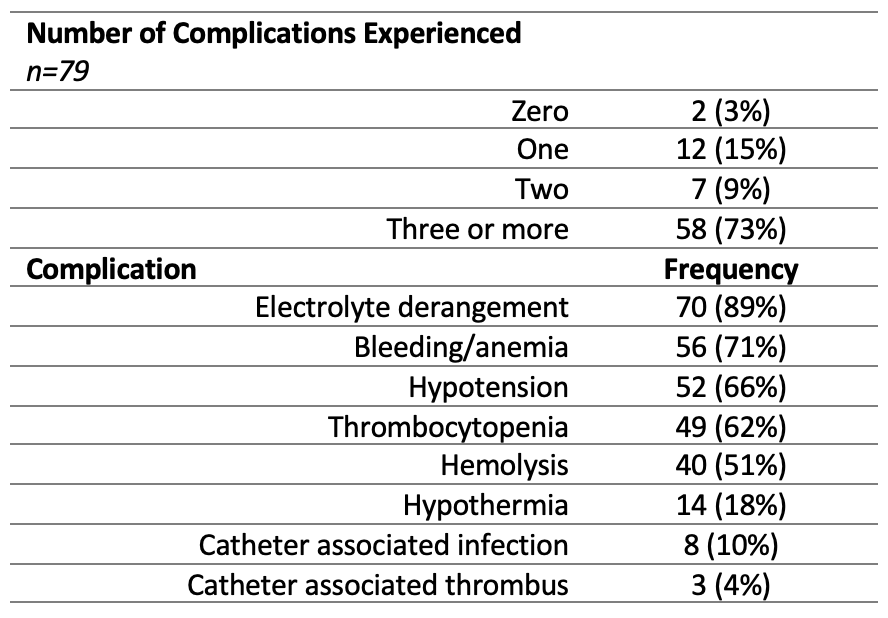
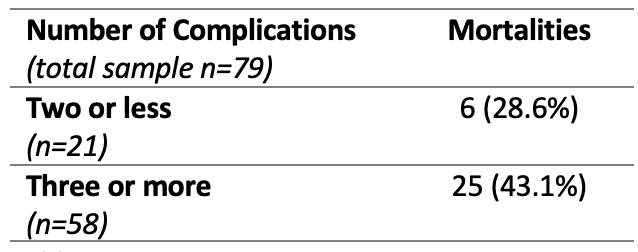
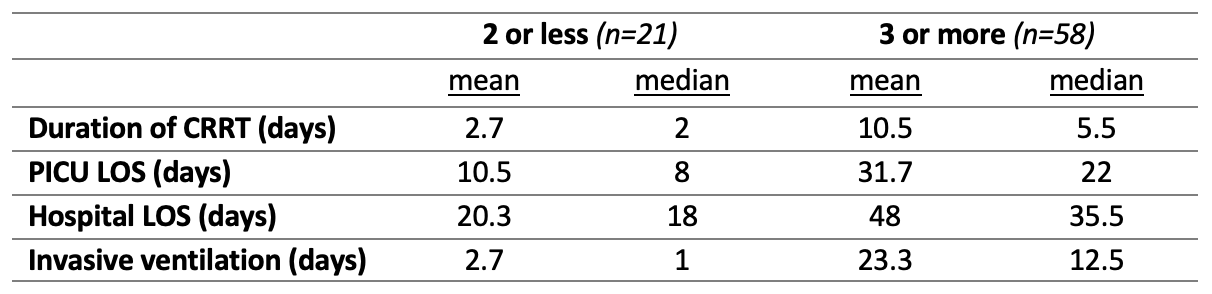
Background: There is limited data in the pediatric literature that describes the incidence of complications associated with continuous renal replacement therapy (CRRT). As the complication rates have not been previously documented, our understanding of their effects on overall outcomes remains limited. Given the frequency with which CRRT is used in the pediatric intensive care unit (PICU), it is important to understand the impact of its use to better care for our patients. Objective: This study seeks to better quantify the rates of complications associated with CRRT in the PICU and the impact of those complications on mortality, PICU length of stay (LOS), hospital LOS, and duration of mechanical ventilation. Design/Methods: This study is a retrospective chart review of all patients who received CRRT via the Prismax in the Children's Medical Center Dallas PICU from 2021-2023. Patients with chronic kidney disease, end stage renal disease, and those who received extracorporeal liver support were excluded. The complications we studied included electrolyte derangement, hemolysis, thrombocytopenia, bleeding/anemia, hypothermia, hypotension, line associated thrombus, and line associated infection. Results: In total, there were 79 patients included in the sample. Of the total sample, only two patients experienced zero complications associated with their CRRT. Most patients experienced 3 or more complications (73%) (table 1). Electrolyte derangement was the most common complication, followed by bleeding/anemia and hypotension (table 1). There was a total of 31 mortalities in the sample (overall mortality rate of 39%). Patients who experienced 3 or more complications had a mortality rate of 43% compared to 28.6% in patients with 2 or less complications (table 2). Patients with 2 or less complications had an overall shorter PICU LOS, hospital LOS, and duration of mechanical ventilation than patients with 3 or more complications (table 3).
Conclusion(s): Although this data is preliminary, it indicates that complications related to CRRT are prevalent, with most patients experiencing three or more complications. A higher incidence of complications correlated with extended LOS in the PICU, longer hospital stays, and increased durations of mechanical ventilation. Notably, patients who encountered three or more complications also underwent CRRT for a longer period, suggesting that the accumulation of complications is likely linked to prolonged CRRT administration. This data underscores the significance of monitoring and managing complications associated with CRRT in the PICU.