Wound Care Practice Director Pediatrix Medical Group Friendswood, Texas, United States
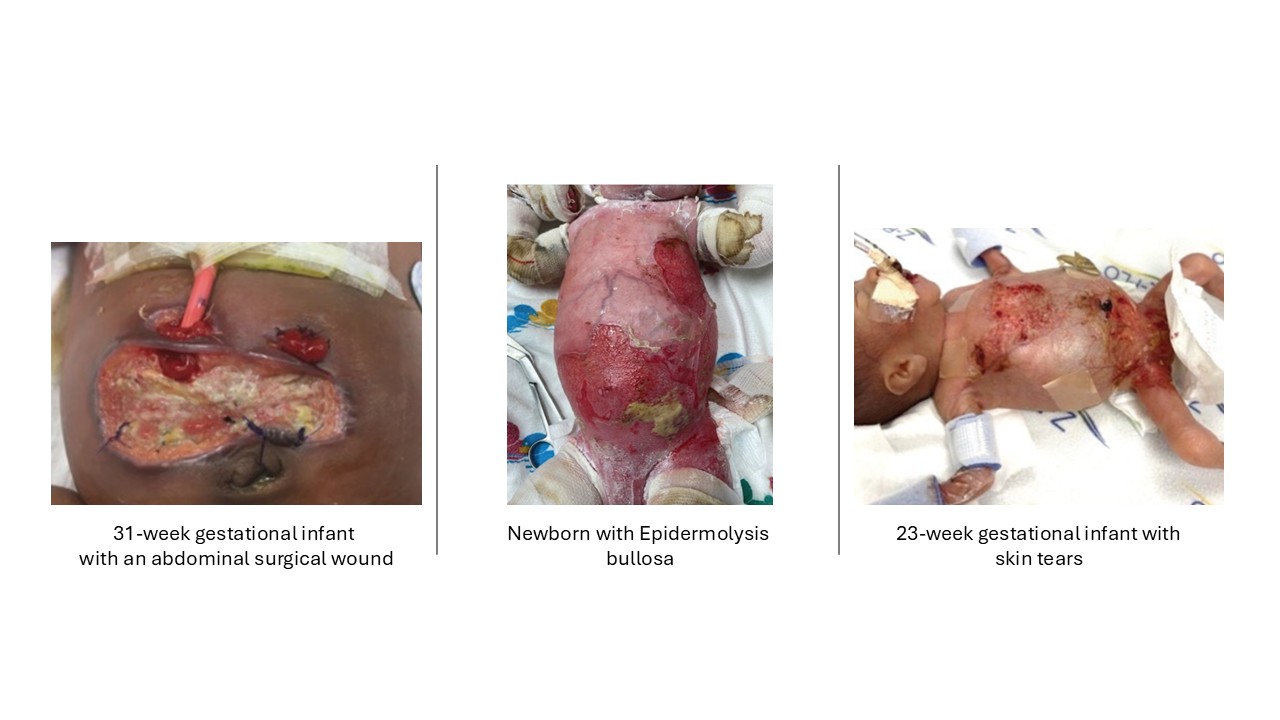
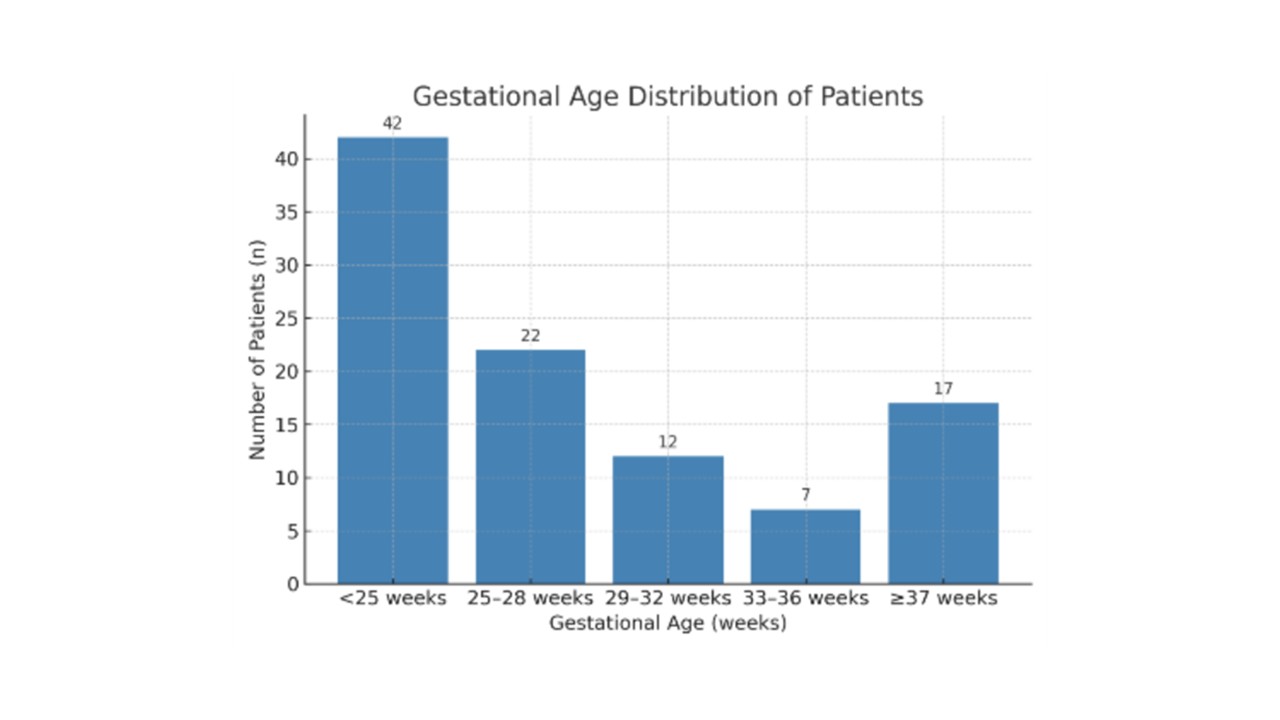
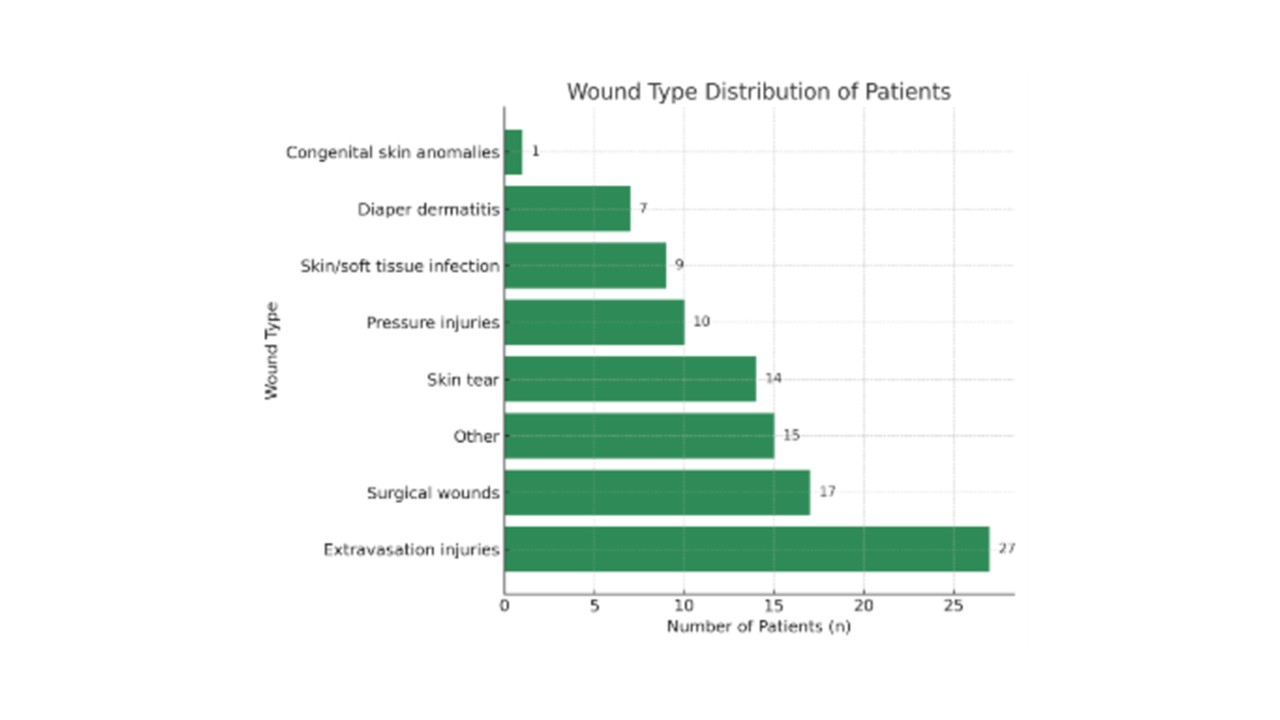
Background: Premature infant skin is highly fragile, and exposure to disinfectants, solutions, or adhesive dressings often causes irritation or damage. Safe options for topical disinfection in this population remain limited. Pure hypochlorous acid (pHA) has shown broad antimicrobial efficacy and safety in adults with complex wounds, demonstrating effectiveness across multiple wound types with no reports of cytotoxicity. However, evidence supporting its safety and efficacy in preterm and term infants is lacking, with reports limited to small case series. Objective: The purpose of this retrospective case study was to report the outcomes of pHA utilized in 100 premature and term infants who suffered from hospital-acquired wounds. The goal was to determine if pHA could safely be applied to the skin and wounds in infants of varying prematurity without signs of adverse effects. Design/Methods: Data from over 100 consecutive wound care patients in the neonatal and pediatric ICU were reviewed from 2023-2025. Age, sex, degree of prematurity, the number of applications per patient, and the type of wound present were reviewed. Information regarding the patient's environmental conditions were also gathered to include phototherapy, care in open crib or neonatal isolette. Records were reviewed to assess if the site of pHA application developed signs of localized adverse effects (LAEs), defined as contact dermatitis, wound infection, chemical burns, erosive skin injury, irritation, erythema, or further skin breakdown following application. Results: A total of 100 infants met the inclusion criteria, ranging from 21 weeks prematurity to 40 weeks gestation. Documented wound types included intravenous extravasation injuries, pressure ulcers, surgical site complications, contact dermatitis from bodily fluids, skin tears, congenital skin disorders, and infections. All wound assessments were documented by the same two primary investigators. Across all cases reviewed, no evidence of pHA-related skin injury was observed. The solution was well tolerated across varying degrees of prematurity, wound types, care environments, and frequency of application.
Conclusion(s): This case series represents the largest safety evaluation of pHA in infants to date. The findings demonstrate that topical application of pHA to the skin and wounds of premature infants is safe and well tolerated, including in those as early as 21 weeks' gestation. Given the limited options currently available for safe skin and wound disinfection in this vulnerable population, pHA should be considered a reliable and well-tolerated topical disinfectant for infants.
Examples of Wound Types Treated with Pure Hypochlorous Acid Solution