708 - Reaching New Heights Together: Faculty Perspectives on Partnering with Pediatric Student Education Liaisons, A Mixed-Methods Study
Saturday, April 25, 2026
3:30pm - 5:45pm ET
Publication Number: 2691.708
Corinna Brown Ton, Creighton University School of Medicine, Omaha, NE, United States; Oloruntosin Adeyanju, Nemours Children's Hospital/ Sidney Kimmel Medical College, Wilmington, DE, United States; Jason Burrows, University of Nebraska College of Medicine, Omaha, NE, United States; Sarah Korte, University of Louisville, Louisville, KY, United States; Leslie Reilly, Louisiana State University School of Medicine in New Orleans, New Orleans, LA, United States; Melanie Rudnick, Frank H. Netter MD School of Medicine at Quinnipiac University, Rocky Hill, CT, United States; Jana L. Wardian, UNMC/Associate Professor for Hospital Medicine, Omaha, NE, NE, United States; Cassi Smola, University of Alabama School of Medicine, Birmingham, AL, United States; Nathaniel Goodrich, University of Nebraska College of Medicine, Omaha, NE, United States; Aleisha Nabower, University of Nebraska College of Medicine, Omaha, NE, United States
Medical Student Creighton University School of Medicine Omaha, Nebraska, United States
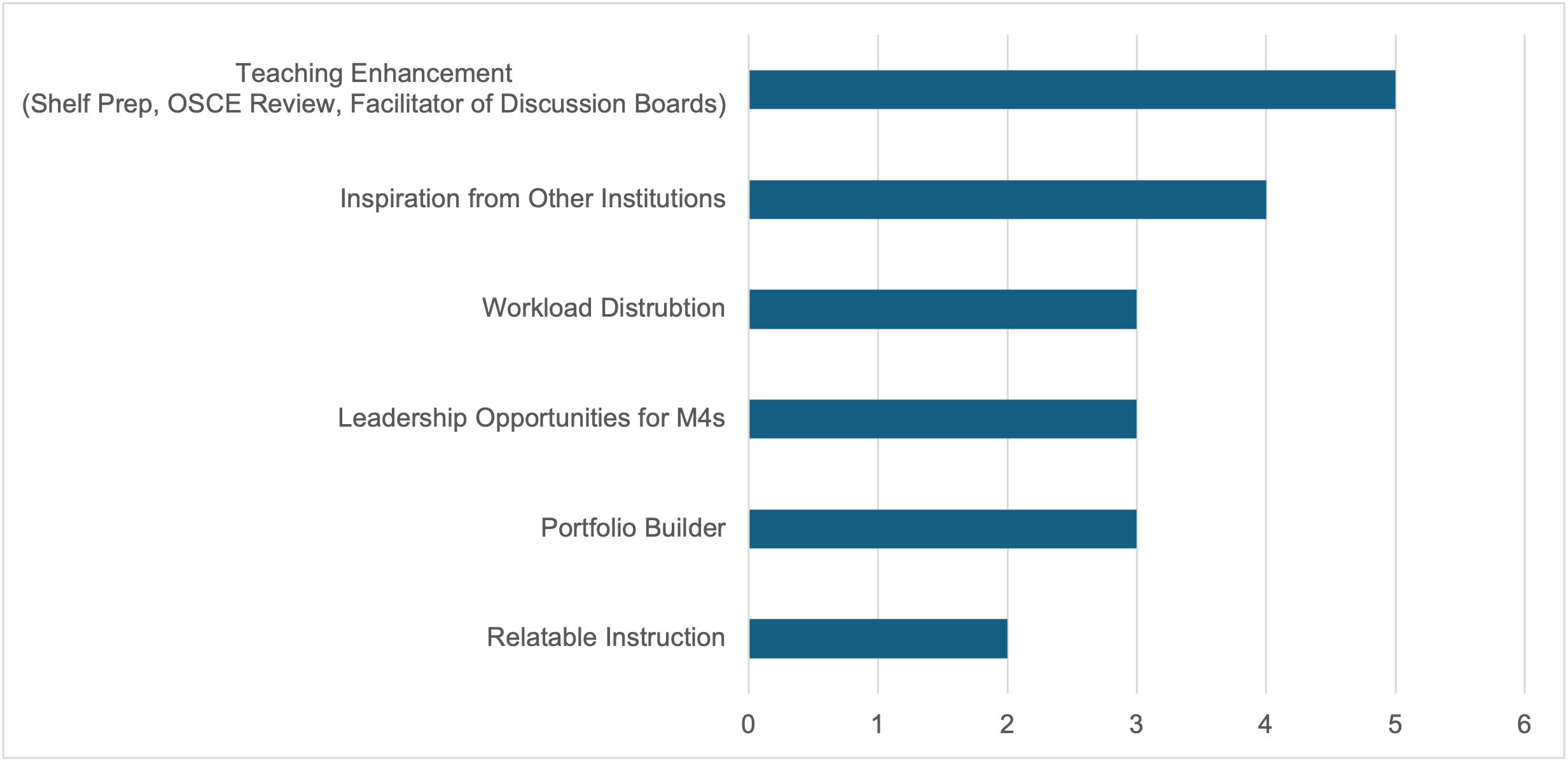
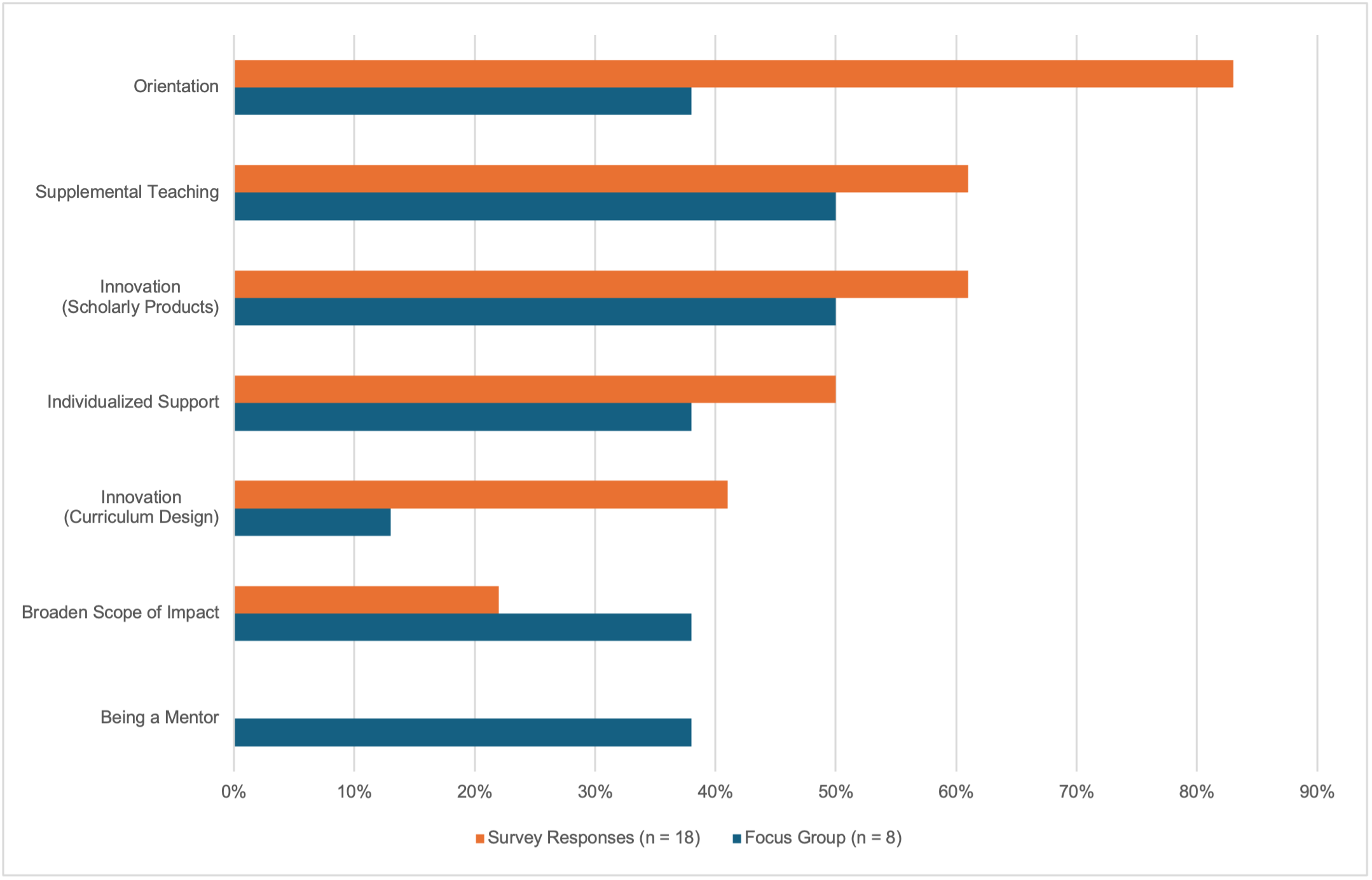
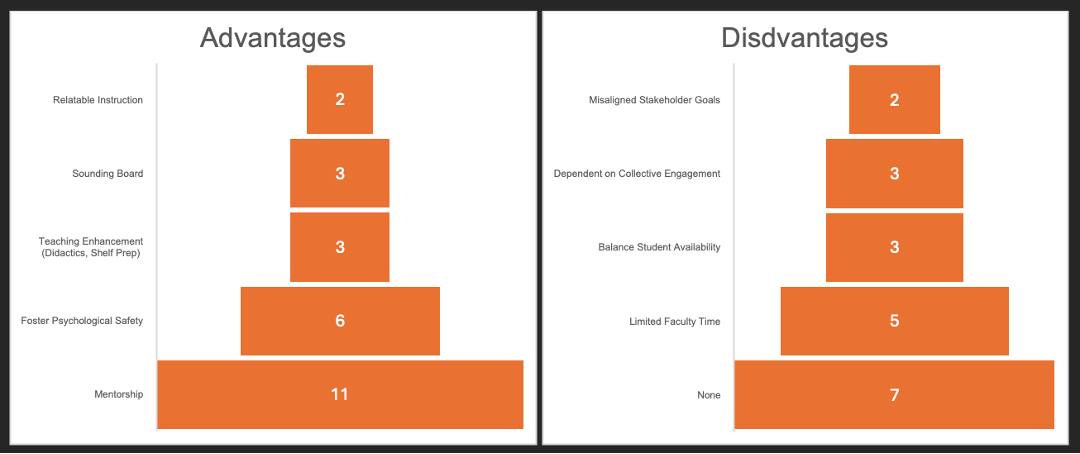
Background: In the current medical education landscape, where increasing responsibilities are accompanied by diminishing resources, leveraging students interested in education as Pediatric Medical Student Liaisons (PMSLs), formerly known as Pediatric Student Chiefs, can foster the next generation of educators and build the capacity of educational programs. Limited data demonstrates that the MSLs providing individualized guidance may be more relevant in the near-peer role while also supplementing faculty teaching. However, little is known about faculty mentors' perspectives on PMSLs. Objective: This study aimed to identify faculty motivations for establishing PMSL programs, characterize PMSL roles and responsibilities, and identify perceived advantages and disadvantages. Design/Methods: Faculty were recruited for both surveys and one-hour virtual focus groups (FG) through COMSEP. Survey data were summarized descriptively. FG and open-ended survey responses were transcribed using AI with author verification. Two coders independently categorized data using open coding. Results: Survey respondents represented 33% of institutions. FG participants included 8 PMSL faculty mentors from 7 medical schools. 38% of survey respondents reported having a PMSL program, while 41% without one were extremely interested in creating the role. In FGs, the most frequent motivations for PMSL creation were teaching enhancement, inspiration from other institutions, leadership opportunities for M4s, and workload distribution (Figure 1). PMSLs were expected to assist with orientation, supplement teaching, and support program innovation. Faculty also valued PMSLs as near-peer mentors and providers of individualized student support (Figure 2). Survey respondents described the PMSL as a valuable sounding board for program leaders and an effective way to facilitate teaching, offering relatable instruction and mentorship, while fostering psychological safety. The most common disadvantage was limited faculty time, followed by challenges with student availability and reliance on collective engagement. However, 39% of respondents reported no disadvantages (Figure 3).
Conclusion(s): Faculty view PMSLs as a valuable resource to enrich medical education. Benefits such as enhanced mentorship and relatability demonstrate positive outcomes for learners and programs. However, high faculty time commitment and variability in effectiveness highlight the need for continued collaboration in the evolution of these roles. Overall, these findings provide a foundation for further evaluation of the educational and behavioral outcomes from PMSL programs.
Figure 1: Faculty-Reported Motivations for Establishing a Pediatric Medical Student Liaison Program Based on Focus Group Responses (n = 8)
Figure 2: Comparison of Medical Student Liaison Roles and Expectations Based on Faculty Focus Group and Survey Responses
Figure 3: Faculty-Identified Advantages and Disadvantages of a Pediatric Medical Student Laison Program Based on Survey Responses (n = 18)