269 - “All Sorts of Things Can Happen”: Qualitative Exploration of Neighborhood Risk and Protective Factors in Pediatric Trauma
Saturday, April 25, 2026
3:30pm - 5:45pm ET
Publication Number: 2259.269
Keren Eyal, Children's Hospital Colorado, Aurora, CO, United States; Jaclyn E. Orehova, University of Colorado School of Medicine, Aurora, CO, United States; Max Lookabaugh, University of Colorado School of Medicine, Denver, CO, United States; Rachel Cafferty, University of Colorado School of Medicine, Aurora, CO, United States; Nidhya Navanandan, University of Colorado School of Medicine, Aurora, CO, United States; Kathleen Adelgais, University of Colorado School of Medicine, Aurora, CO, United States
Pediatric Emergency Medicine Fellow Children's Hospital Colorado Aurora, Colorado, United States
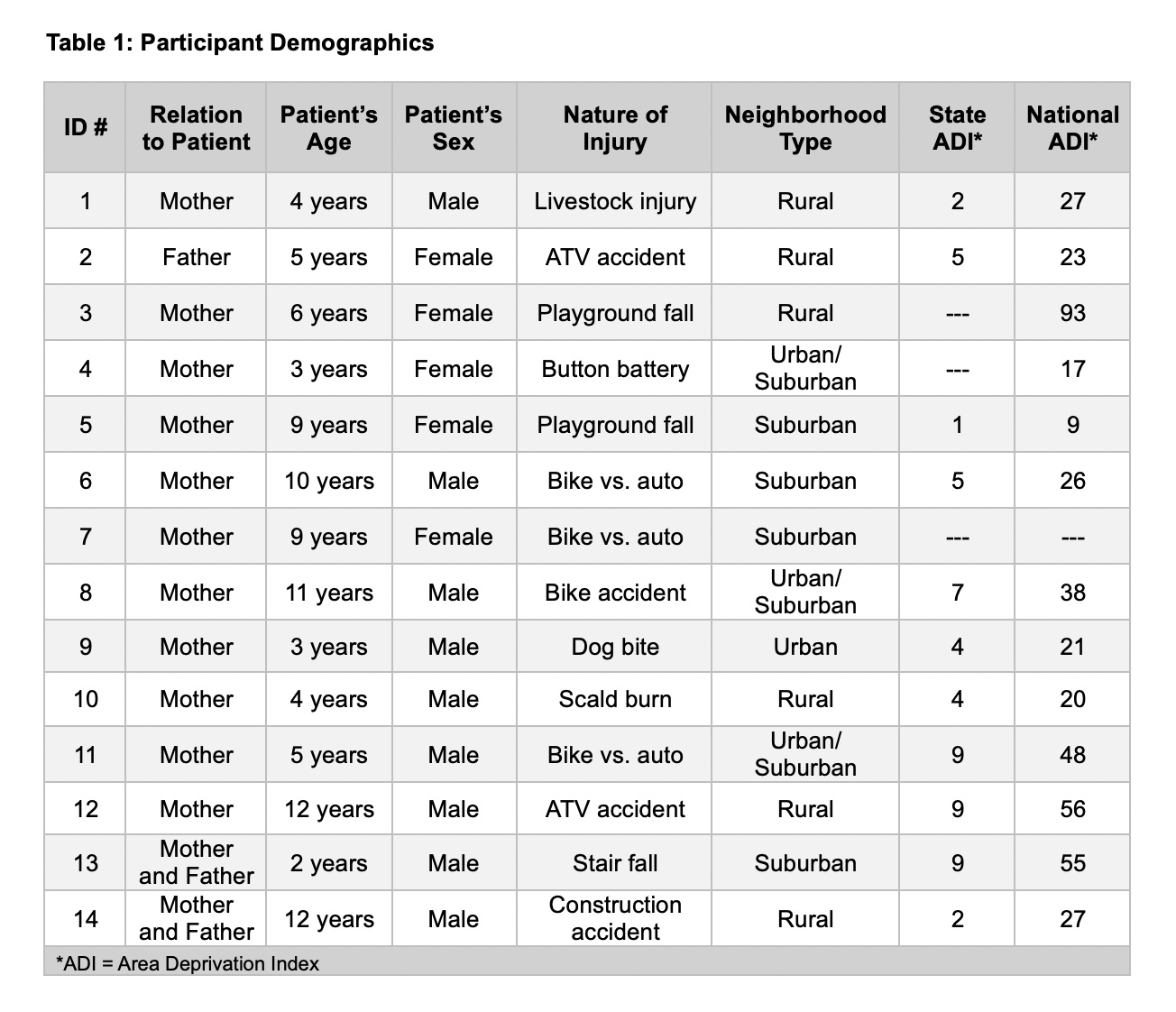
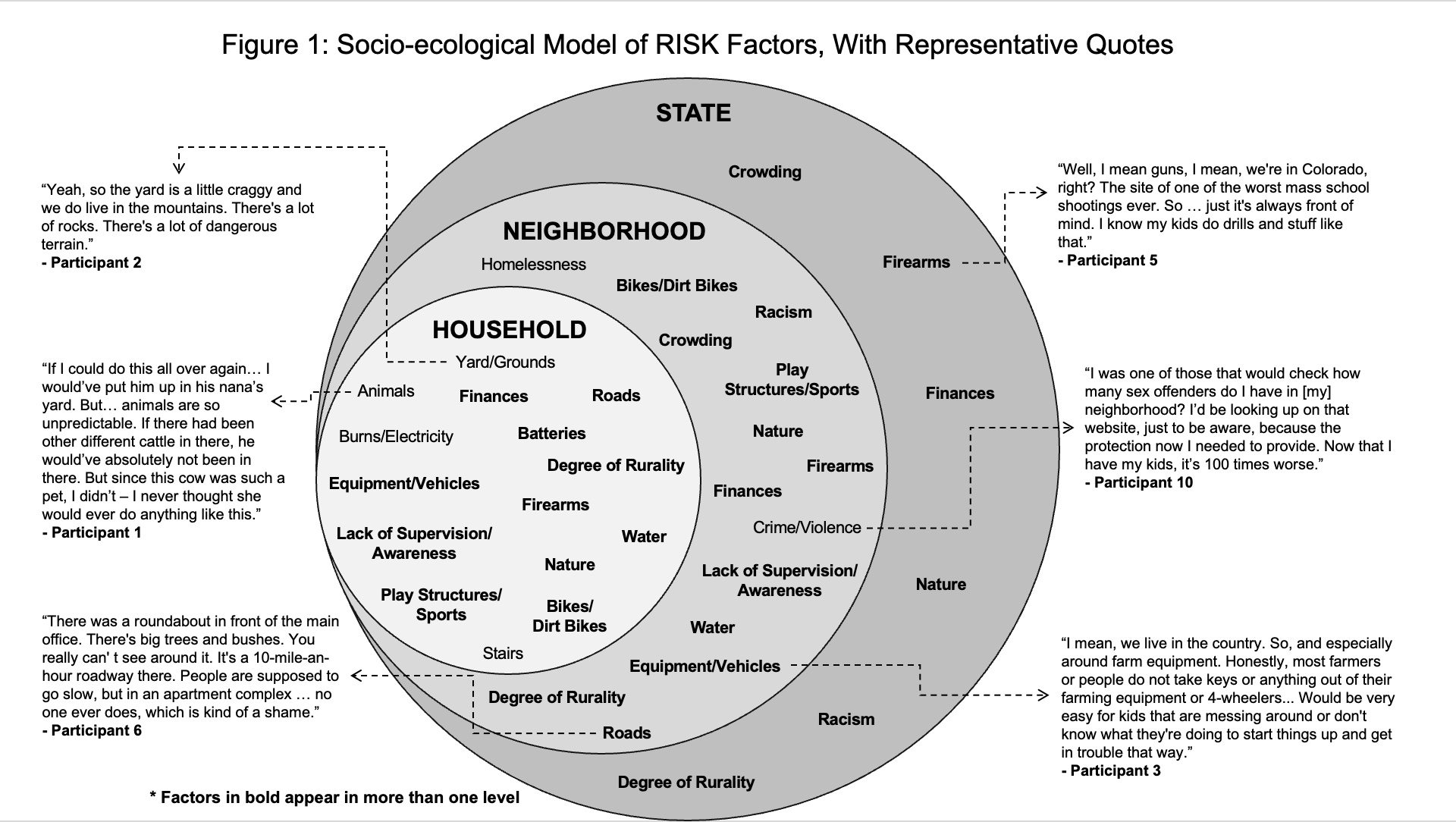
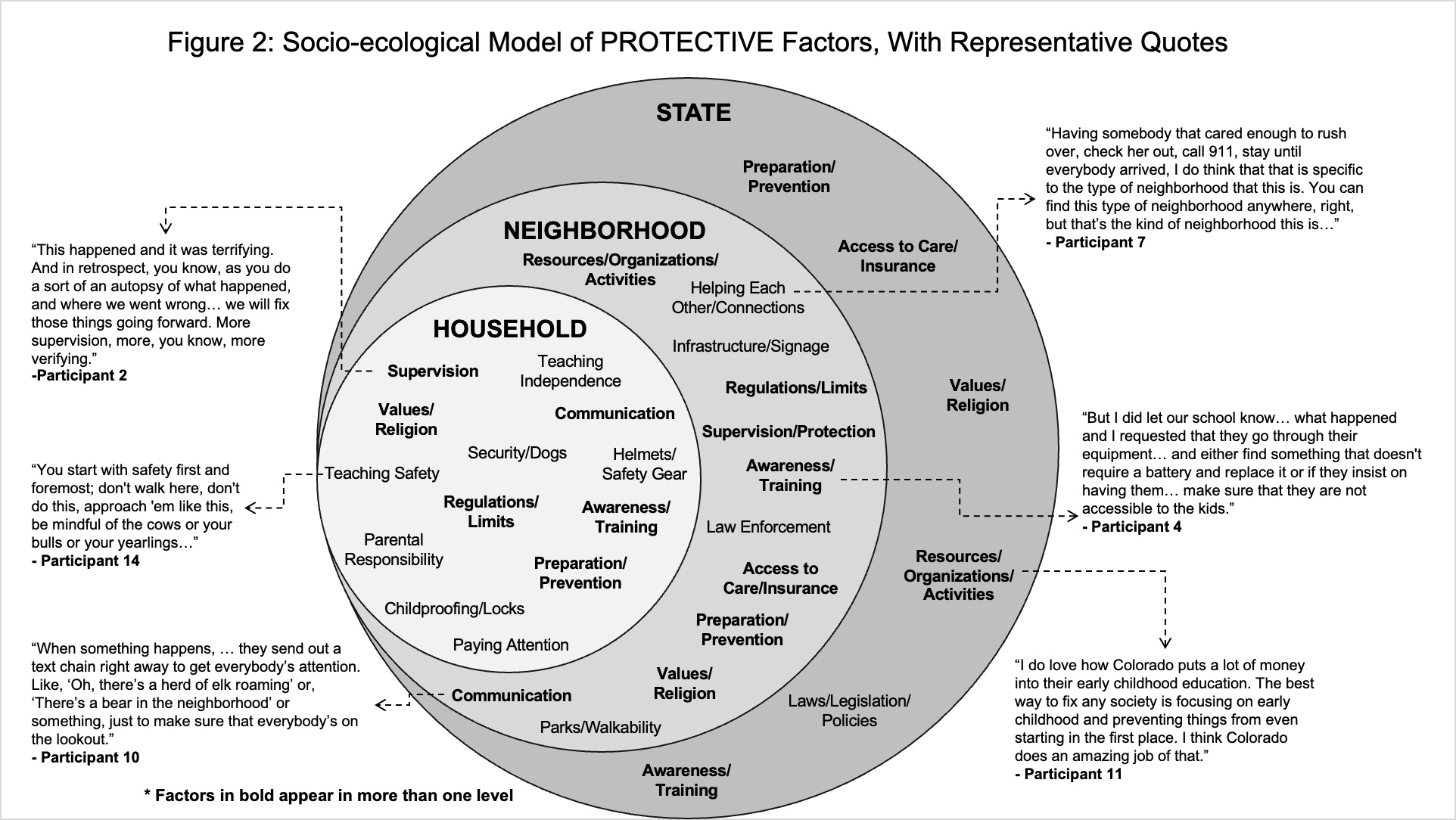
Background: Unintentional trauma is the leading cause of death in children ages 1-14 years. This risk is not distributed equally; children from lower socioeconomic neighborhoods experience distinct injury mechanisms and greater injury severity than children from more advantaged areas. Qualitative methods offer a unique opportunity to explore neighborhood-level risk and protective factors for pediatric injuries from the perspective of those affected. Objective: Framed by the socio-ecological model, we qualitatively explored caregiver perspectives of risk and protective factors for their child's injury at the state, neighborhood, and household levels. Design/Methods: We conducted semi-structured, phenomenological interviews with a convenience sample of caregivers of patients ages 2-14 years admitted to an American College of Surgeons (ACS) Level 1 pediatric trauma center following an unintentional traumatic injury. Recruitment was stratified to enroll a representative sample of injury mechanisms, neighborhood types, and national and state Area Deprivation Index (ADI) rankings (national ADI range 1-100, state ADI range 1-10; higher ADI signifies greater neighborhood disadvantage). Caregivers were approached during admission or within 2 weeks of discharge; consent was obtained in person or by phone. Interviews were conducted between July 2023 and August 2025, audio-recorded, transcribed, and inductively coded using Atlas.ti; 25% were double-coded. Thematic analysis was used to identify perceived risk and protective factors at each socio-ecological level. Thematic saturation was reached at 14 interviews. Results: Over the study period, 448 caregivers were screened,197 met enrollment criteria, 188 were approached, and 31 consented, of which 16 caregivers completed 14 interviews. Patients ranged in age from 2-12 years, with 10 distinct mechanisms of injury. Mean national ADI was 35.4 (SD=22.6, min-max 9-93) and mean state ADI was 5.2 (SD= 2.8, min-max 1-9) [Table 1]. Analysis revealed common perceived risk and protective factors spanning socio-ecological levels [Figures 1, 2]. Risk factors shared across the three levels were firearms, finances, nature, and degree of rurality. Protective factors present across the three levels were preparation/prevention, values/religion, and awareness of risks.
Conclusion(s): Among a cohort of caregivers, multiple determinants for pediatric traumatic injuries emerged spanning socio-ecological levels. These shared factors underscore key targets for community-centered interventions that have the potential to reduce existing neighborhood-level disparities in pediatric injury rates and severity.
Table 1: Participant Demographics
Figure 1: Socio-ecological Model of RISK Factors, With Representative Quotes
Figure 2: Socio-ecological Model of PROTECTIVE Factors, With Representative Quotes