553 - Emergency Department Diagnosed Bacteremia Organism Variance, A Ten-Year Single Center Retrospective Analysis
Saturday, April 25, 2026
3:30pm - 5:45pm ET
Publication Number: 2538.553
Stephen Rineer, University of Colorado School of Medicine, Aurora, CO, United States; Halden F. Scott, University of Colorado School of Medicine, Denver, CO, United States; Mairead Dillon, University of Colorado School of Medicine, Denver, CO, United States
Assistant Professor of Pediatrics University of Colorado School of Medicine Aurora, Colorado, United States
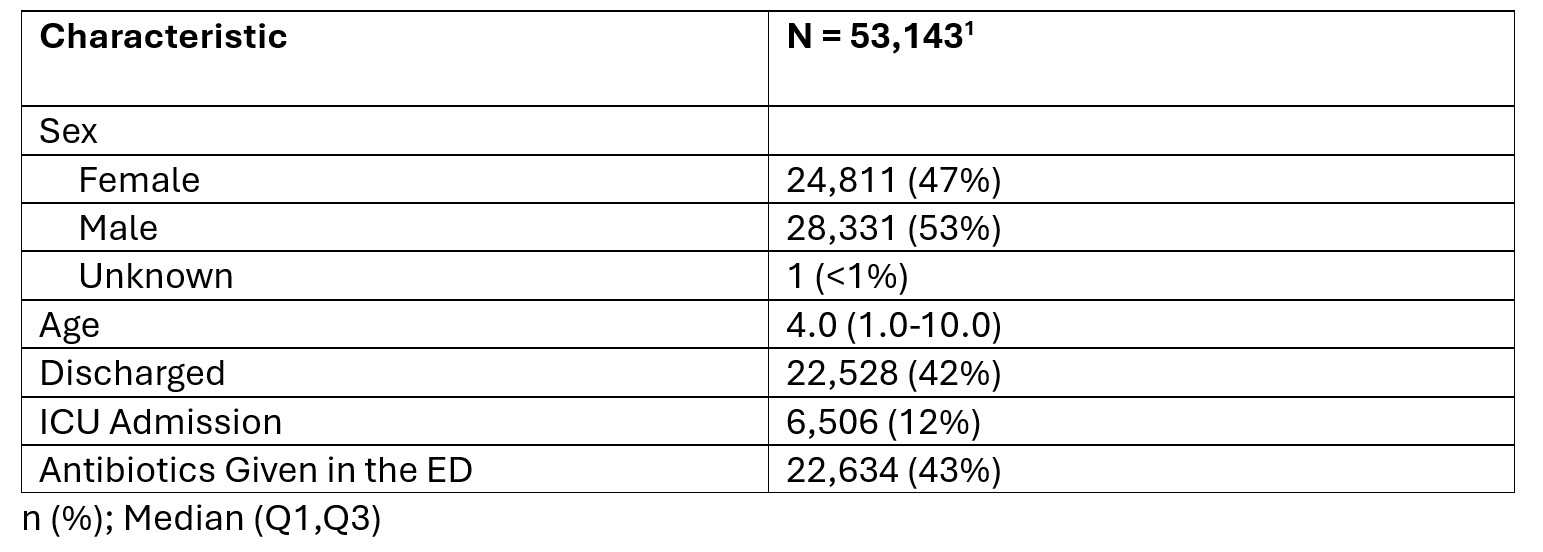
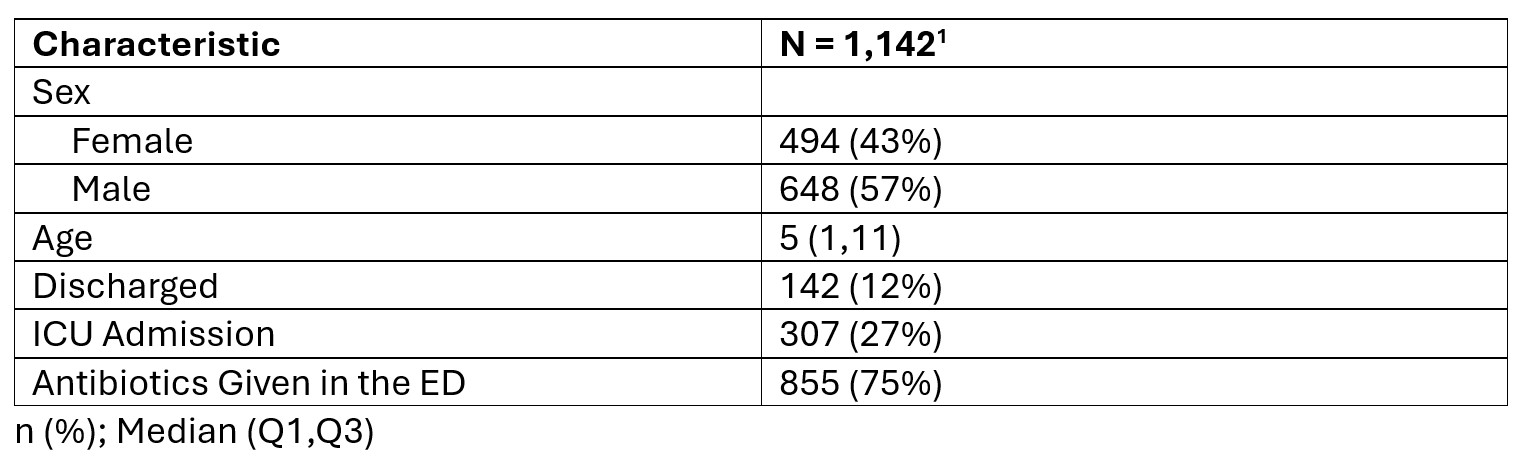
Background: Pediatric emergency department (ED) diagnosed bacteremia is a rare but rising threat to child health. Declining vaccination rates and a changing invasive bacterial infection landscape in the post-covid era raises the concern for a return to higher bacteremia rates of the early 2000's. Limited data is available on ED organism variance in presentations over the last decade. Objective: Evaluate a four-hospital, single center retrospective trend in pediatric emergency department diagnosed bacteremia organisms by year. Design/Methods: This retrospective single center study utilized a pre-existing mapped registry of children 0-18 years who presented to the ED with a subsequent blood culture obtained between January 2014 to December 2024. This study was IRB exempt. The registry comprised 53,143 unique individual encounters (table 1). Positive blood culture organism data was cross referenced with CDC commensal organism list and expert review to remove contaminant positive cultures. Culture positivity was assessed by year, assessed by simple linear regression. Organism counts were subsequently collated and distributed by year. Average positive rate and percentage positivity per organism were calculated to normalize for rise in ED visits. Results: Our study cohort comprised 1,142 bacteremia cases from unique visits to the ED (Table 1). 648 (57%) were male with a cohort median age of 5 (Table 2). 307 (27%) were admitted to the ICU and 855 (75%) were given antibiotics in the ED. Culture positivity was stable across the decade (1.99-2.75% p=0.317). S. aureus (MRSA and MSSA) was the most common pathogen. 2022-2024 saw a higher proportion of S. pyogenes (2023 comprising 19% of total positive blood cultures) and S. pneumoniae (12-14% of total positive cultures). E. coli was a consistent pathogen by proportion.
Conclusion(s): Blood culture positivity remained stable over the decade. S. aureus remained the most prevalent pathogen and remained so despite higher proportions of S. pyogenes seen in the post-covid era. Gram positive organisms remained the predominant cause of pediatric bacteremia.









.jpg)
