185 - Parallel Crises: Linking Rising Maternal Mortality and Disparities to Perinatal Health Care Delivery in the U.S., A Descriptive CDC WONDER database Study
Saturday, April 25, 2026
3:30pm - 5:45pm ET
Publication Number: 2178.185
Samar Elassar, Flushing Hospital Medical Center, New york, NY, United States; Maryam Tariq, University of health sciences lahore, Faisalabad, Punjab, Pakistan; Alman Fatima, Foundation University Medical College, Islamabad, Islamabac, Islamabad, Pakistan; Dalia Atef Abouda, Faculty of medicine Alexandria University Egypt, Beheria, Abu Matamir, Al Buhayrah, Egypt
Resident Alexandria university faculty of medicine New york, New York, United States
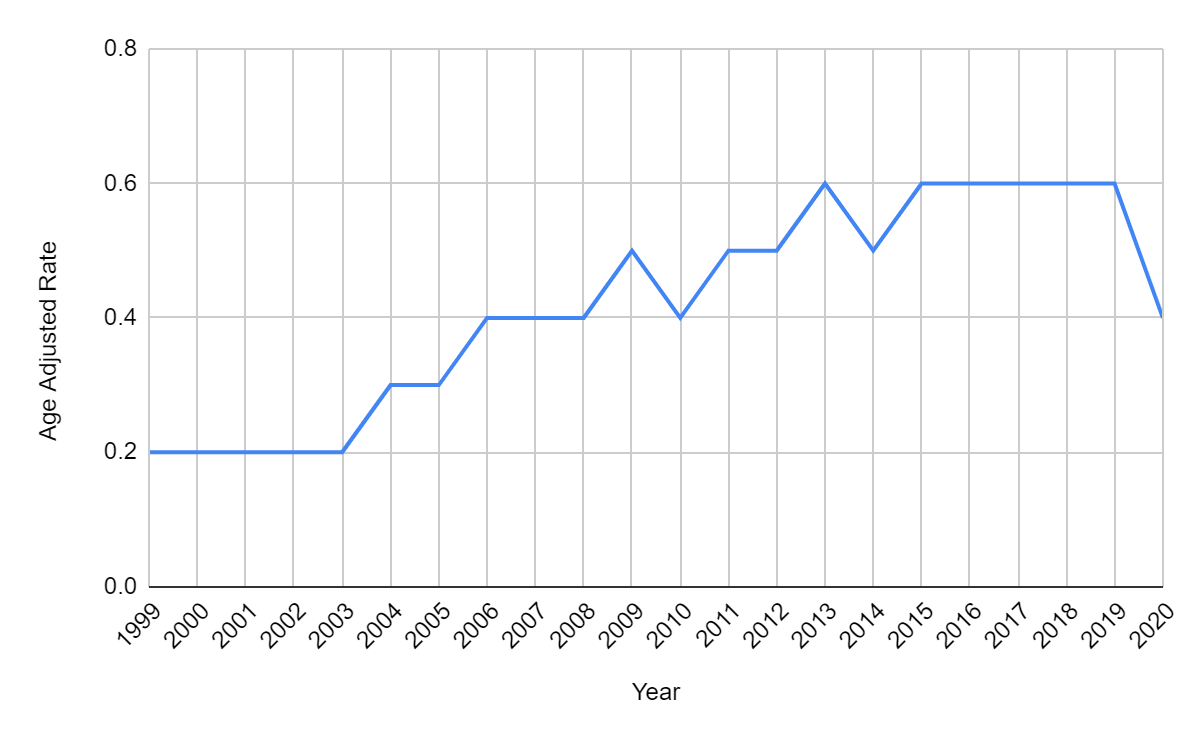
Background: Even with an advanced healthcare system, maternal mortality is worsening in the U.S., which is a key measure of national health. This increase isn't affecting everyone equally; severe disparities exist that underscore deep-seated unfairness in how healthcare services are provided. These adverse maternal health trends are often mirrored in infant and perinatal outcomes. Objective: We set out to determine how the death rates and inequities related to pregnancy, childbirth, and the period immediately after (the puerperium) have changed across the United States over two decades (1999-2020), using data collected by the CDC's WONDER system. Design/Methods: This descriptive study used ICD codes O00-O99 to retrieve mortality data for deaths attributed to pregnancy, childbirth, and the puerperium from the CDC WONDER database. We organized the data according to several key variables: the year of death, the deceased person's race, whether the death occurred in an urban or rural setting, and the location where the death happened. To accurately compare risks across different groups, we computed the Age-Standardized Mortality Rate (ASMR), accompanied by a 95% confidence interval. And the Annual Percent Change (APC) was determined using join point regression (V 4.9.0.0). Results: A total of 26,908 deaths were recorded during the 1999-2020 period. The ASMR for pregnancy-related mortality increased overall from 0.2 to 0.4 (APC: 4.61, P < 0.05).
Racial disparities were stark and prominent:
Non-Hispanic (NH) Black or African American women showed the highest mortality rate at 0.9
NH American Indian or Alaska Native women followed with a rate of 0.8
The rate was lowest for NH Asian or Pacific Islanders at 0.2
Geographically, the South region recorded the highest mortality rate at 0.6. Furthermore, non-metropolitan areas showed mortality rates twice as high as large urban areas15. Most deaths occurred at medical facilities (67.2%) and within the 25-34 age group (n=11,398).
Conclusion(s): Maternal mortality in the United States increased over the study period (1999-2020), with persistent and stark disparities based on race and geography. Targeted interventions are necessary to minimize both the overall maternal mortality rate and the existing inequities in health outcomes.
Annual mortality trends due to pregnancy, childbirth, and puerperium 1999-2020