Session: Neonatal Hematology & Transfusion Medicine 1
156 - Umbilical Cord Blood Autotransfusion in Neonatal Surgery: From Theory to Practice
Saturday, April 25, 2026
3:30pm - 5:45pm ET
Publication Number: 2150.156
Laura Torrejón Rodríguez, La Fe Research Institute, Valencia, Comunidad Valenciana, Spain; Alba Cayuela Hernandez, Hospital Universitario y Politécnico la Fe, Valencia, Valencia, Comunidad Valenciana, Spain; Alejandro Pinilla-Gonzalez, Hospital la Fe, Valencia, Comunidad Valenciana, Spain; Nerea Valles Murcia, Hospital Universitario y Politécnico La Fe, La Fe Health Research Institute, Valencia, Comunidad Valenciana, Spain; Maria Cernada, University and Polytechnic La Fe Hospital, Valencia, Comunidad Valenciana, Spain; Alvaro Solaz Garcia, Health Research Institute La Fe, Valencia, Comunidad Valenciana, Spain; Marta Aguar Carrascosa, La Fe University Hospital, Valencia, Comunidad Valenciana, Spain
Neonatologist La Fe Research Institute Valencia, Comunidad Valenciana, Spain
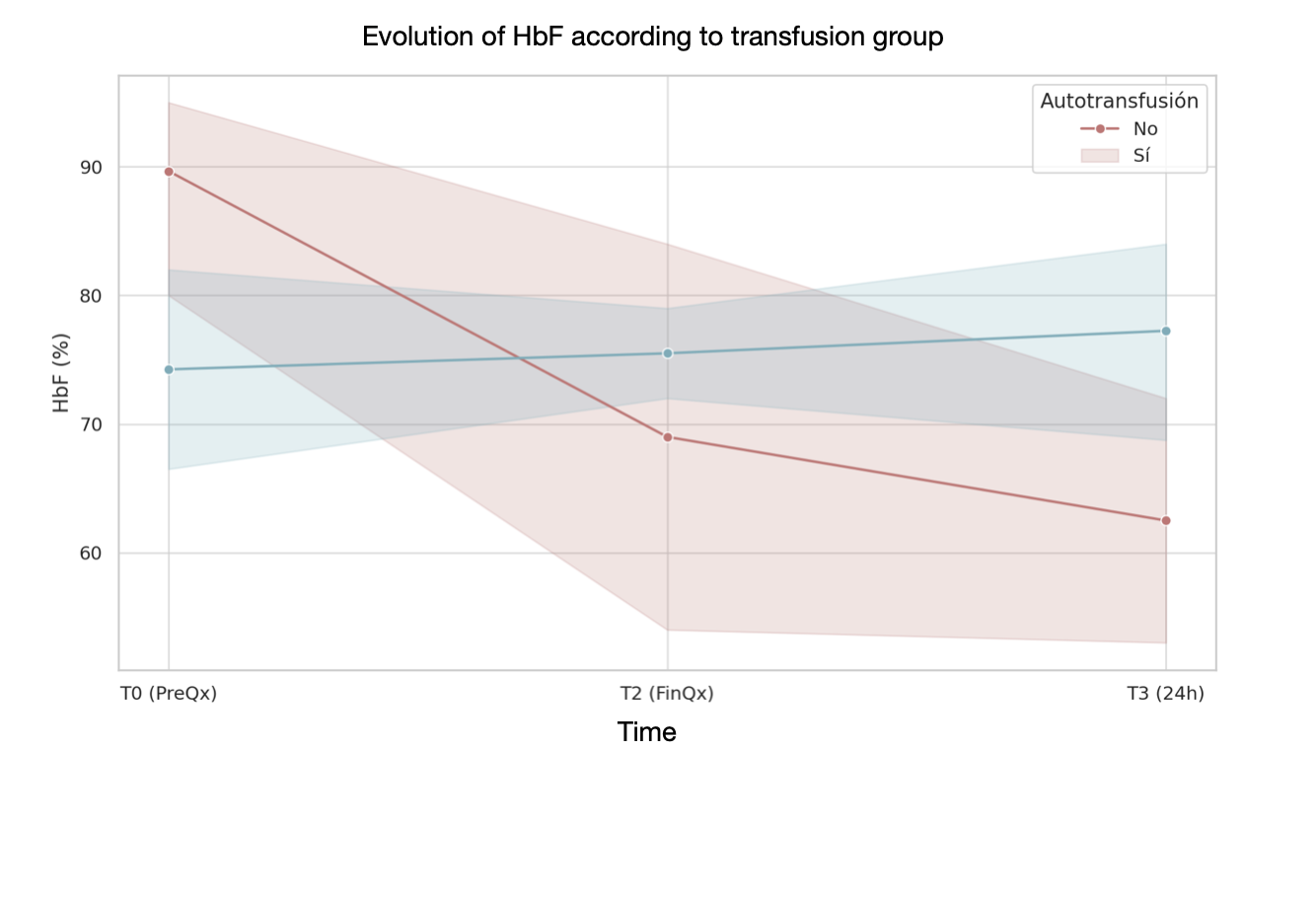
Background: Neonatal blood transfusion is a common practice in surgical infants, reaching nearly 100% in major malformations. Exposure to allogeneic adult blood replaces fetal hemoglobin (HbF) with adult hemoglobin and has been associated with adverse outcomes, including immune modulation, oxidative stress, and post-surgical complications. Autologous umbilical cord blood (AUCB) transfusion is a promising alternative, potentially reducing these risks. Evidence comparing AUCB to allogeneic transfusion in surgical neonates is limited. Understanding the impact of transfusion type on HbF dynamics may offer insights into the physiological advantages and inform safer, more individualized transfusion strategies Objective: To evaluate the feasibility of AUCB transfusion in surgical neonates by comparing hematological parameters, oxidative stress, and inflammation markers between recipients of autologous and allogeneic blood products Design/Methods: Prospective cohort study including neonates with major congenital anomalies requiring surgery. Patients were identified prenatally to plan UCB collection that was stored and transfused postoperatively if suitable and clinically indicated. Patients receiving AUCB were compared with those receiving standard allogeneic transfusions. Patients undergoing cardiopulmonary bypass (CPB) for congenital heart disease were analyzed separately. Hematological parameters, including HbF, and biomarkers of oxidative stress and inflammation were assessed pre- and post-transfusion Results: Twenty-one neonates (GA 38 ± 1.5 weeks, BW 3000 ± 485 g) were included. UCB was collected in 20 cases (median volume: 55 mL (25.6-100 mL); median volume/Kg: 18 mL/kg (7.6-36 mL/kg). Ten patients received autologous transfusion. Of the remaining 11, 6 did not require transfusion, and 5 were excluded (contamination, positive Coombs test, reactive syphilis serology, surgery < 24h). Comparable post-transfusion hemoglobin and hematocrit levels were achieved in both groups, supporting the efficacy of AUCB.Compared to the allogeneic transfusion group, the autologous group showed a significantly smaller decline in HbF over time. In patients undergoing CPB, a more pronounced and sustained drop in HbF was observed. Analyses of oxidative stress and inflammation biomarkers are ongoing
Conclusion(s): AUCB transfusion in neonatal surgical patients is a feasible and effective strategy, achieving similar hematological outcomes compared to standard transfusions. This approach may help preserve HbF levels, reduce exposure to allogeneic blood, and optimize the use of donor blood products by sparing allogeneic units for other patients.
Evolution of Hb and Hct according to transfusion group










.png)