muppala Prasanth raju, Baylor Scott White McLane Children's Medical Center, Temple, TX, United States; Niraj Vora, Baylor Scott White McLane Children's Medical Center, Leander, TX, United States; Vinayak Govande, Baylor Scott White McLane Children's Medical Center, Temple, TX, United States; Ram R.. Kalagiri, Baylor Scott White McLane Children's Medical Center, Temple, TX, United States; Venkata Raju, Baylor Scott White McLane Children's Medical Center, Temple, TX, United States
Neonatologist Baylor Scott White McLane Children's Medical Center Temple, Texas, United States
Background:
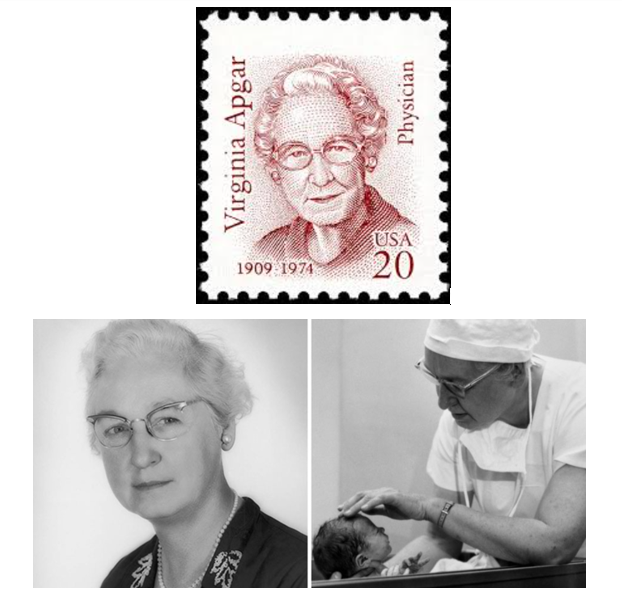
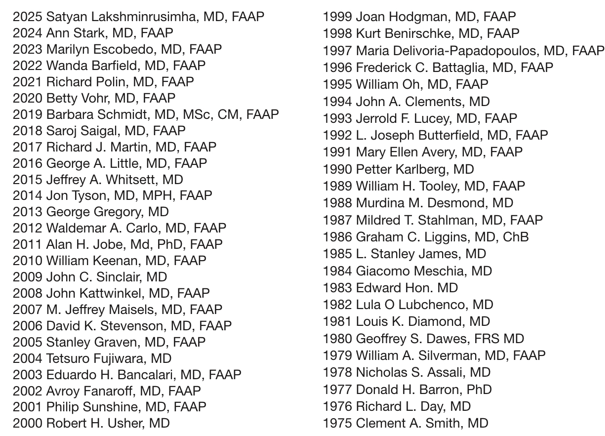
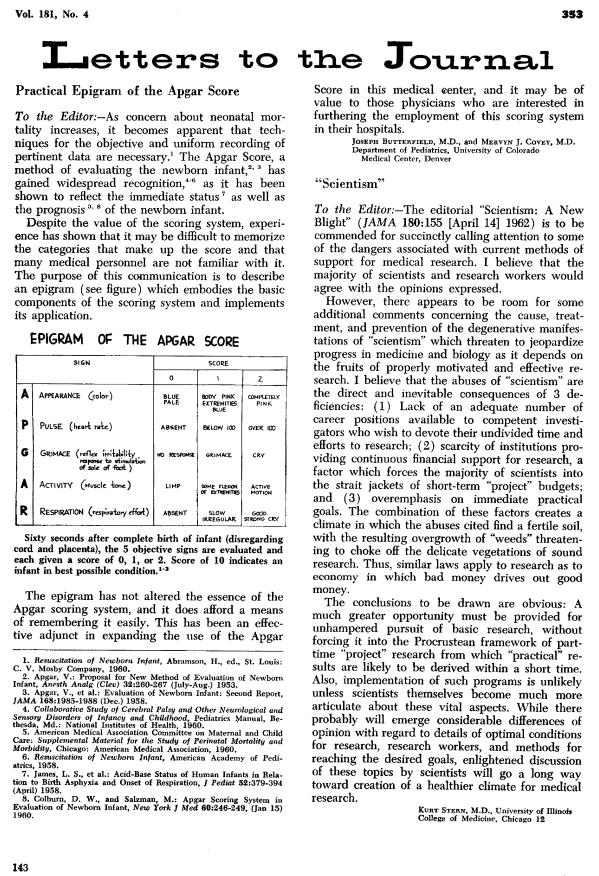
Introduction: Virginia Apgar (1909-1974), a pioneering American anesthesiologist, obstetric researcher, and public health advocate, revolutionized newborn care through the creation of the Apgar score. Initially trained in surgery, she was redirected to the emerging field of anesthesiology due to gender barriers in medicine. Objective: To highlight the life, career milestones, and enduring impact of Dr. Virginia Apgar in neonatal health and medical equity. Design/Methods: Review of historical medical archives, Columbia University-Mood Library- Museum of Anesthesiology records, published works on anesthesiology and neonatology in JAMA, March of Dimes documents, and biographical sources. Results: In 1952, while working in Columbia-Presbyterian Hospital's maternity ward, Dr. Apgar introduced the Apgar score-a rapid, standardized 10-point system evaluating newborns at 1 and 5 minutes post-birth based on five criteria: Appearance (skin color), Pulse (heart rate), Grimace (reflex irritability), Activity (muscle tone), and Respiration. Originally a practical checklist, the mnemonic "APGAR" was popularized in 1963 for teaching by Dr Butterfield. The score quickly became a universal tool, correlating with reduced infant mortality by enabling timely resuscitation. At Columbia, Dr. Apgar transformed anesthesia from nurse-led to physician-led, established training programs, and in 1949 became the first woman full professor of anesthesiology there. In 1959, she joined the March of Dimes, leading research on congenital anomalies and advocating for prevention of birth defects. She was known for breaking gender barriers, and championing women's autonomy in medicine, famously stating, "Women are liberated from the time they leave the womb." Dr. Virginia Apgar, was also a passionate amateur violinist and cellist who crafted two string instruments with a cabinetmaker. The American Academy of Pediatrics established the Virginia Apgar Award in 1975 to honor lifelong contributions to infant well-being, with first recipient being Dr. Clement A. Smith in 1975. The Virginia Apgar stamp was issued on October 24, 1994.
Conclusion(s): The Apgar score, introduced over 70 years ago, remains the cornerstone of immediate newborn assessment. Her tools and philosophy continue to promote infant survival, maternal health, and gender inclusivity in science.