59 - Evaluating Health Professionals’ Conceptualization of Patients and Families Labelled ‘Difficult’: A Scoping Review
Sunday, April 26, 2026
9:30am - 11:30am ET
Publication Number: 3056.59
Lara Bruno-Boucher, University of Toronto Temerty Faculty of Medicine, Toronto, ON, Canada; Meghan E. Secord, University of Toronto Temerty Faculty of Medicine, Puslinch, ON, Canada; Gavin J.. Hughes, University of Toronto Temerty Faculty of Medicine, Toronto, ON, Canada; Kriti Kumar, The Hospital for Sick Children, Toronto, ON, Canada; Nicole Wagschal, The Hospital for Sick Children, Scarborough, ON, Canada; Kate Nelson, The Hospital for Sick Children, Toronto, ON, Canada; Jessie Cunningham, The Hospital for Sick Children, Toronto, ON, Canada; Fyeza Hasan, The Hospital for Sick Children, Toronto, ON, Canada
Medical Student University of Toronto Temerty Faculty of Medicine Puslinch, Ontario, Canada
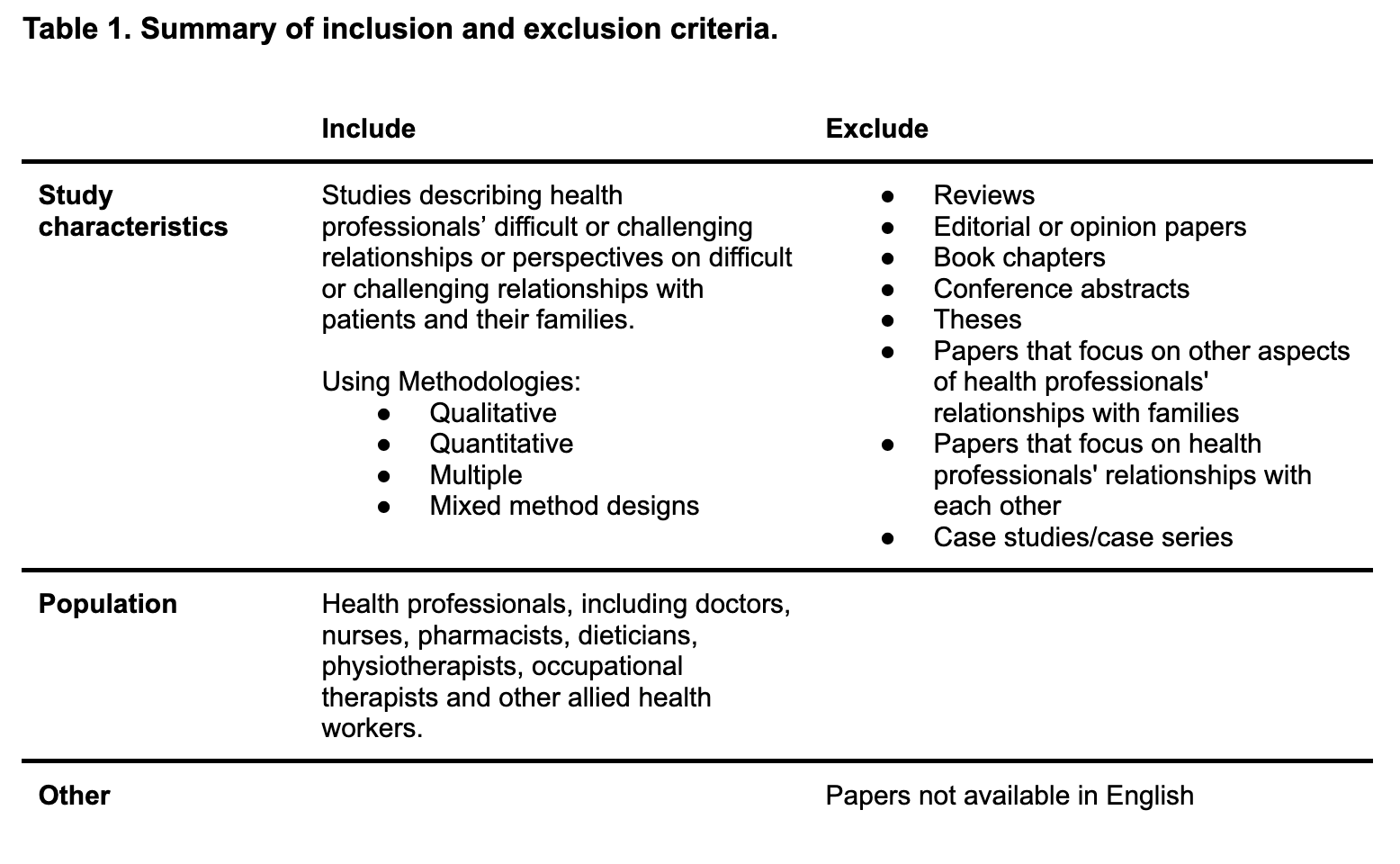
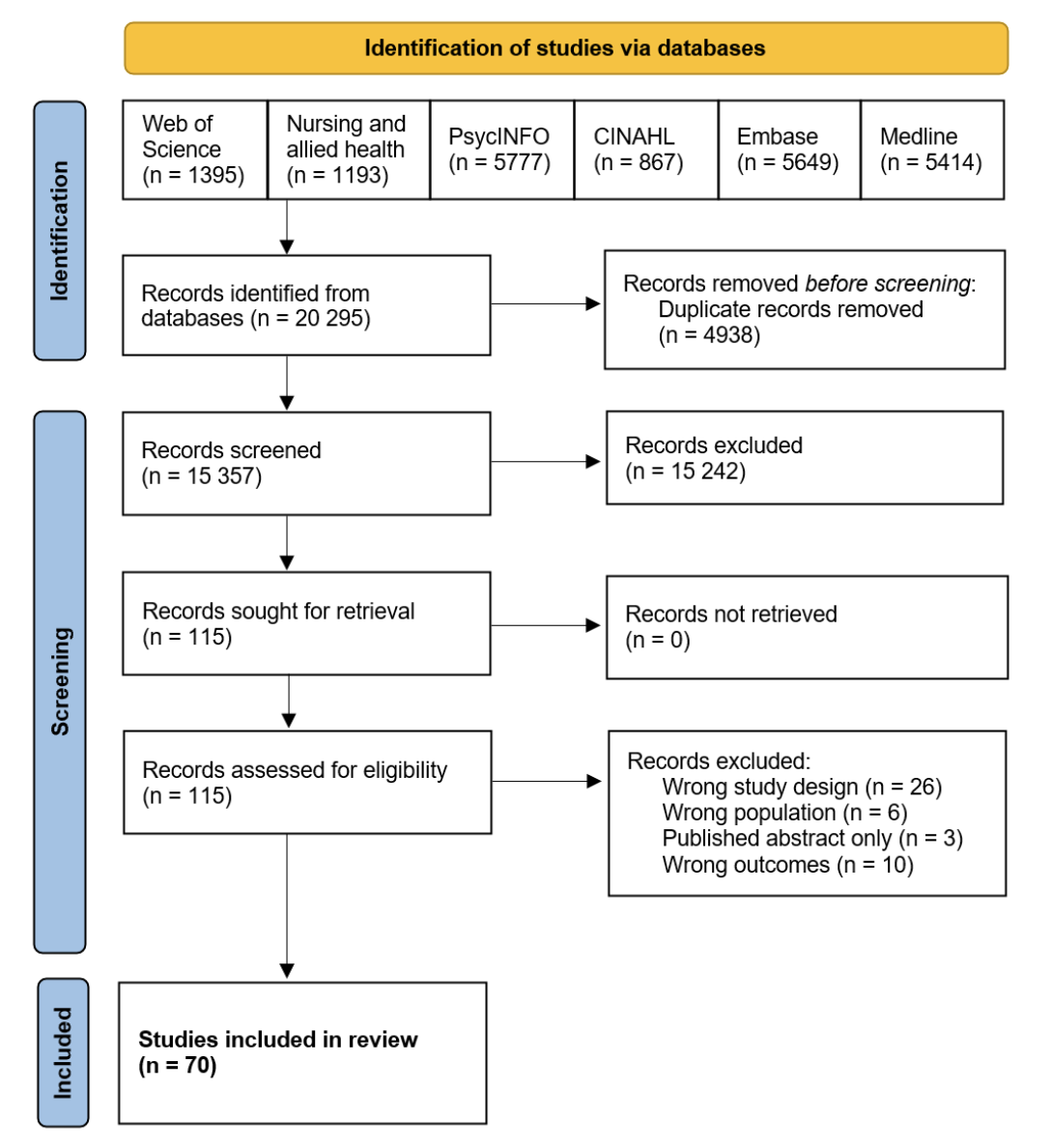
Background: Applying patient labels, especially pejorative ones, can erode therapeutic relationships and worsen patient outcomes. Quantifying how often and why such labels are used can help identify who is at risk of being labelled and guide strategies accordingly to mitigate harm. Among health care providers (HCP), 'difficult' is a colloquial shorthand for therapeutic misalignment, with up to 15% of primary care patients being described this way by their physician. In pediatrics, this label can extend beyond the patient and apply to family members acting as substitute decision-makers. Although 'difficult' clinician-patient relationships are well documented, there is not yet a comprehensive framework to describe how patients and families come to be labelled as 'difficult'. Objective: (1) Describe the way HCPs characterize and label patients, families, and their relationships with them as being 'difficult'; and (2) develop a conceptual framework describing themes within 'difficult' patient labelling to guide further study. Design/Methods: We searched Ovid Medline ALL, Ovid Embase, CINAHL Plus, Ovid APA PsycINFO, Clarivate Web of Science, and ProQuest from inception to April 2, 2024. Pairs of reviewers independently screened titles and abstracts in Covidence, followed by full-text review of selected articles (Figure 1). Included studies (Table 1) describe HCP perspectives on relationships with patients/families perceived as 'difficult'. Given a lack of pediatric-specific data, both adult and pediatric studies have been included. We employed single-reviewer extraction using a standardized data collection form. Thematic synthesis will be used to identify patterns in how 'difficult' patient relationships are described across studies. Results: Preliminary results (n=50 full-texts) demonstrate three overarching themes in how HCPs conceptualize patients/families they perceive as 'difficult': (1) patient/family factors (4 subthemes: behaviours, expectations, attitudes, and personality traits), (2) characteristics of medical presentation, and (3) provider factors (Figure 2).
Conclusion(s): This review synthesizes how HCPs conceptualize labelling of patients and families as 'difficult'. Emerging themes point to the diversity of contexts in which this specific language is used, and the complex, dynamic interplay between patients, families, and relationships that lead to therapeutic alliance breakdown. Results will inform the development of a conceptual framework to guide future research and design of interventions that aim to reduce the harms of labelling and strengthen relationships between patient and provider.
Table 1. Summary of inclusion and exclusion criteria.










.png)
