Session: Health Equity/Social Determinants of Health 5
632 - Evaluating Facilitators and Barriers to Community Resource Referrals for Pediatric Inpatients with Social Needs
Sunday, April 26, 2026
9:30am - 11:30am ET
Publication Number: 3613.632
Abygale Ahn, Northwestern University The Feinberg School of Medicine, Chicago, IL, United States; Emma Anselin, Ann & Robert H. Lurie Children's Hospital of Chicago, Chicago, IL, United States
Ann & Robert H. Lurie Children's Hospital of Chicago Chicago, Illinois, United States
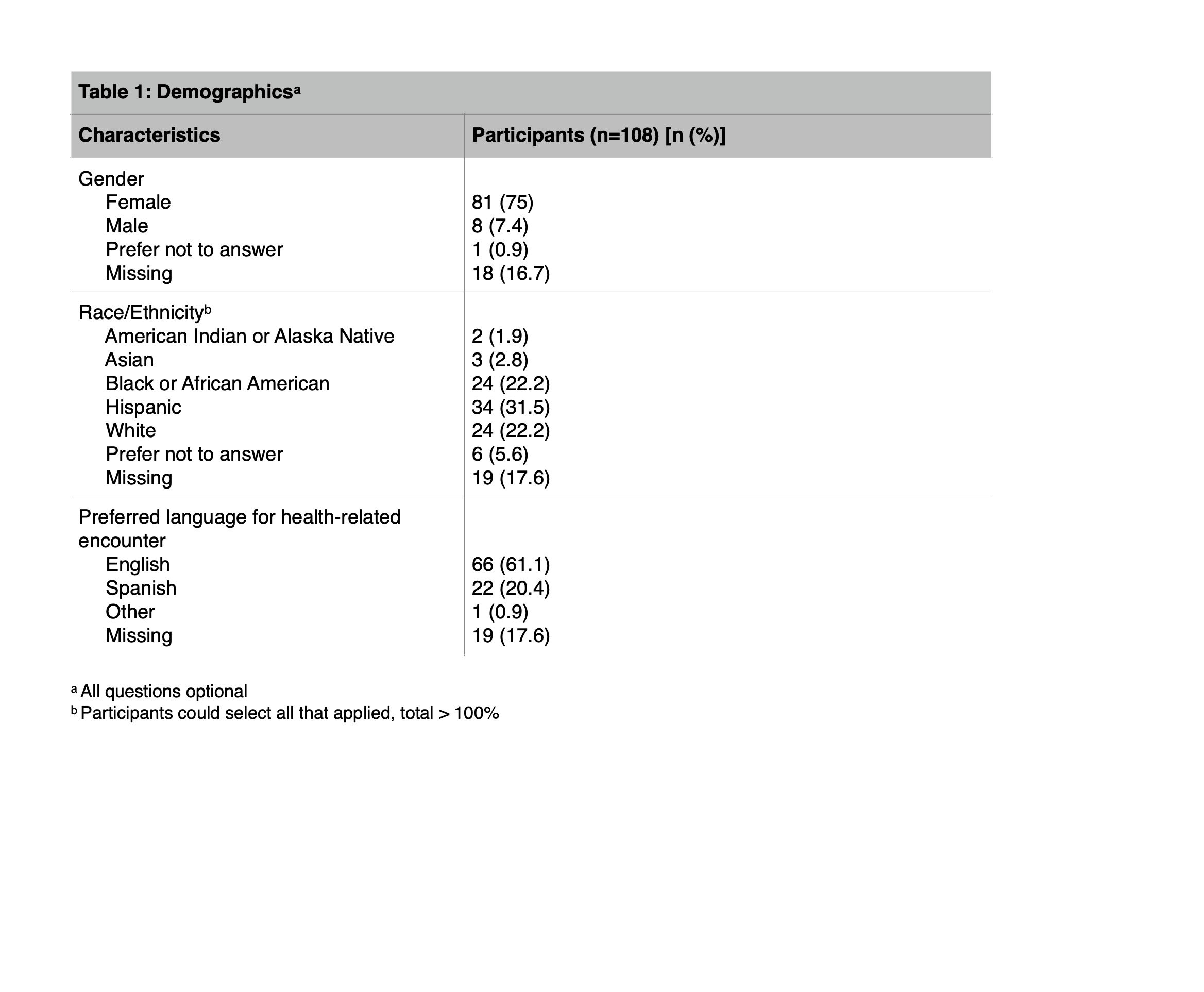
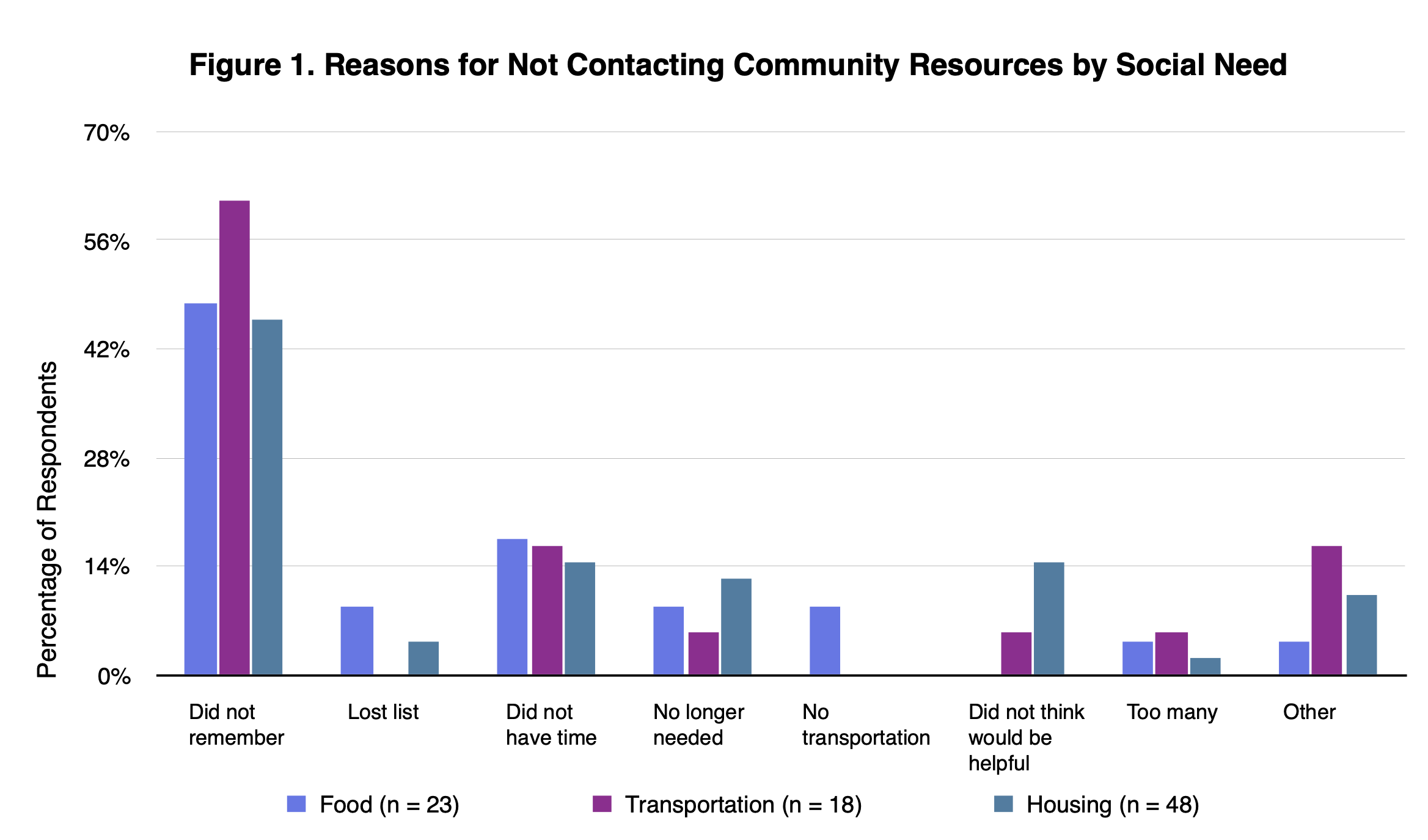
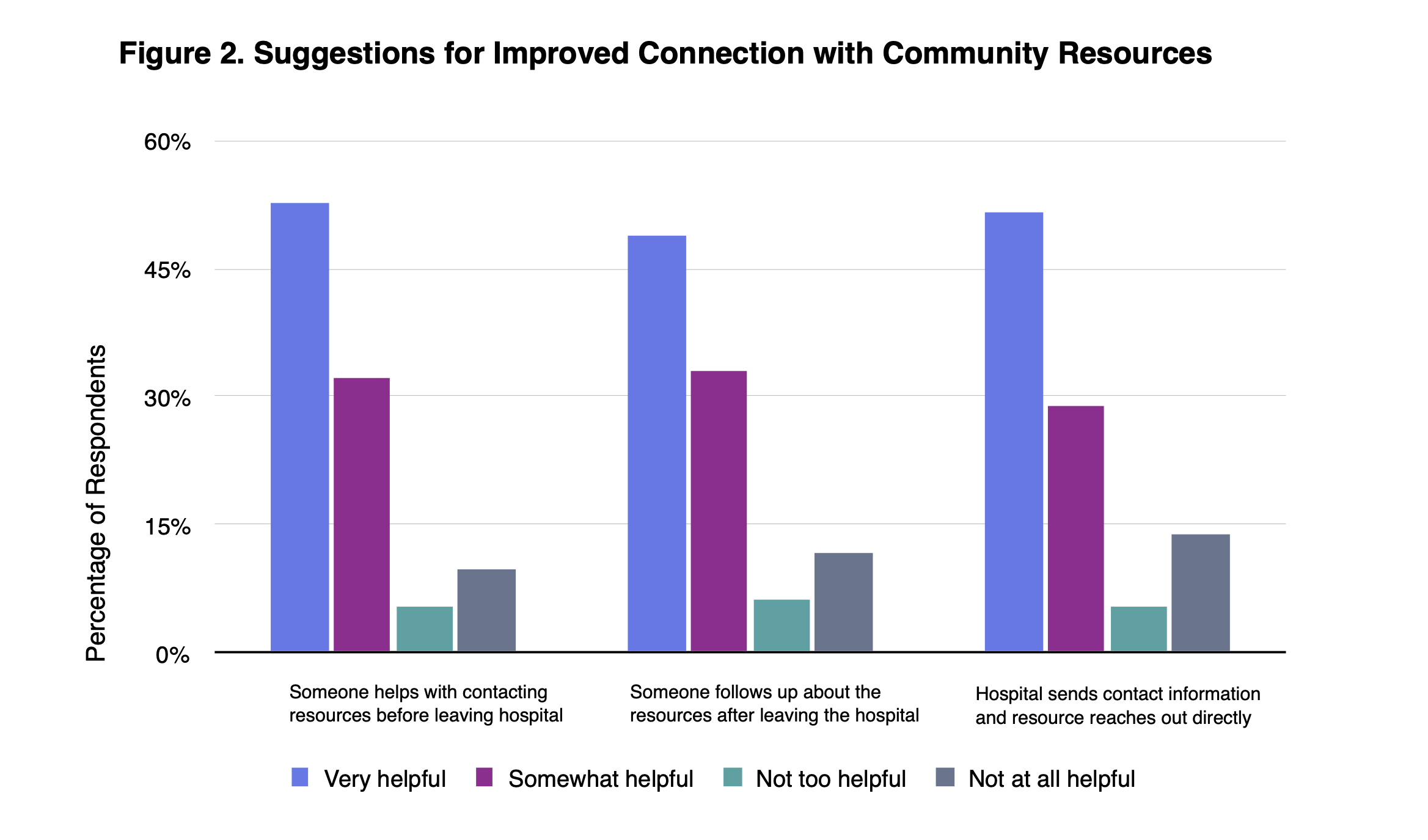
Background: Some healthcare institutions are addressing the unmet social needs of patients by embedding community resource referral systems in the electronic health record (EHR). At Lurie Children's Hospital, all pediatric inpatients with a positive social needs screen are given an automated list of community resources. Little study has been done to evaluate the effectiveness of EHR-based community resource referrals in the pediatric inpatient setting. Objective: The purpose of this study was to evaluate the impact of an EHR-based community resource referral system on patients' use of community resources, explore factors that facilitate or impede the success of these referrals, and solicit recommendations for improvement. Design/Methods: We conducted a cross-sectional survey of caregivers of patients discharged between May and October 2025 from Lurie Children's Hospital who screened positive for food insecurity, transportation needs, or housing instability. This study was reviewed by the Lurie Children's IRB. The survey was developed with input from social workers and community partners. The questionnaire was refined through cognitive interviews with a patient advisory council. The final survey was distributed electronically in English and Spanish using REDCap to caregivers 2 weeks after discharge. We conducted descriptive statistics and chi square analyses. Results: 108 caregivers participated in the survey (Table 1). 43% contacted a community resource after referral. For those who contacted resources, 69% received services. 100% of those who received services reported that their need was resolved. Participants who reported that they spoke with someone about the referrals during the inpatient stay were significantly more likely to contact a resource (p < 0.01). There was statistically significant variation in contact rate by type of resource: 53% for food, 50% for transportation, and 32% for housing (p < 0.05). Forgetting they received a referral was the most common reason for not contacting resources (Fig 1). For those who contacted a resource but did not receive services, the most common reasons were unresponsiveness or still waiting for service. Participants were supportive of proposed interventions to improve the referral process (Fig 2).
Conclusion(s): Caregivers face barriers to connecting with community resources after EHR-automated referrals. Opportunities for improvement include enhanced communication about referrals during admission and reminders after discharge. Patients should be engaged in designing referral processes to address unmet social needs and advance health equity.
Table 1: Demographics
Figure 1: Reasons for Not Contacting Community Resources by Social Need
Figure 2: Suggestions for Improved Connection with Community Resources