Session: Developmental and Behavioral Pediatrics 4: Potpourri
218 - Evaluating a Novel Training Program for Early Childhood Educators of Children with Autism
Sunday, April 26, 2026
9:30am - 11:30am ET
Publication Number: 3210.218
Kristin Sanchez, Hasbro Children's Hospital at Rhode Island Hospital, East Providence, RI, United States; Pamela C. High, Brown University Health, Providence, RI, United States; Pei-Chi Wu, The Warren Alpert Medical School of Brown University, Providence, RI, United States; Stephanie Shepard Umaschi, The Warren Alpert Medical School of Brown University, Providence, RI, United States
Fellow Hasbro Children's Hospital at Rhode Island Hospital East Providence, Rhode Island, United States
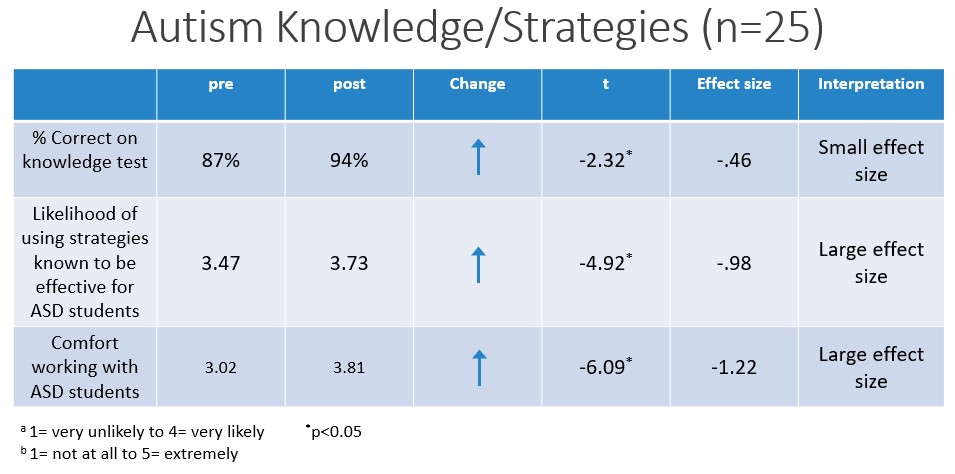
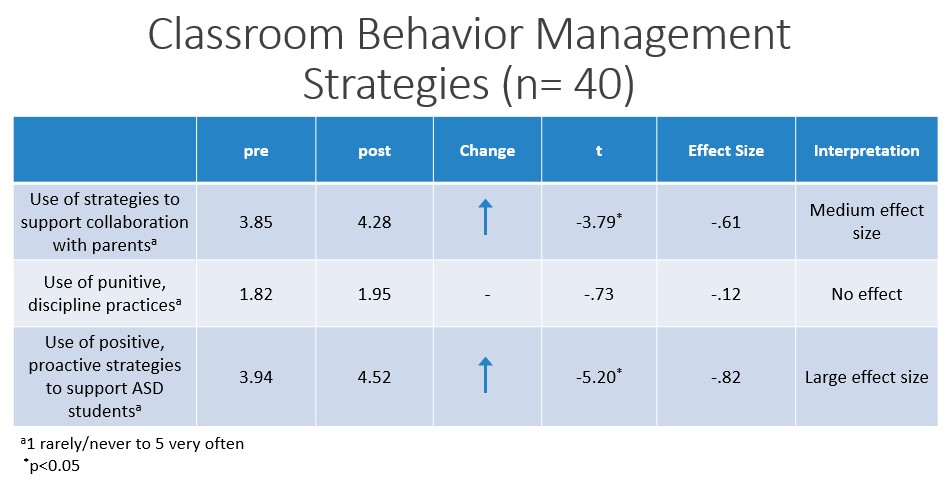
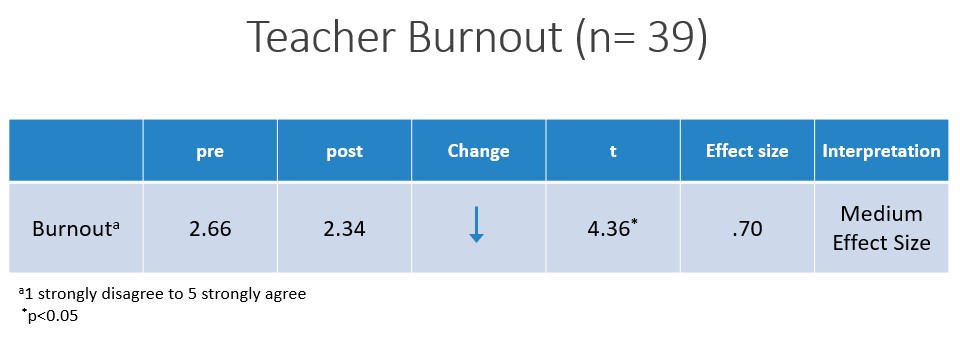
Background: Young children with autism are expelled from early childhood care centers at a rate 10x higher than neurotypical peers. Most early childhood educators (ECEs) have not received formal training in understanding ASD or using effective classroom strategies to support children with ASD. Brown Early Childhood Autism Training for Teachers (BE-CATT) is a professional development program designed to address these limitations. Objective: Evaluate impact of BE-CATT on 4 ECE cohorts' knowledge of ASD, use of positive proactive classroom strategies, and job stress/burnout. Design/Methods: In this 36-hour online-training, ECEs build ASD knowledge, learn strategies to strengthen student-teacher-parent relationships, take a positive proactive approach to classroom support, and learn to provide inclusive learning opportunities. BE-CATT is delivered in interactive groups fostering supportive connections that can mitigate stress/burnout. ECEs from 4 cohorts provided demographics and completed pre-post self-reported measures of ASD knowledge, strategy use, stress, and burnout. Paired t-tests examined pre-post outcome changes following each 12-week series. Among participants, 47% earned no more than AA degrees and only 38% had completed coursework in Special Education. Results: ECE's self-reported level of comfort working with children with ASD improved significantly as did likelihood of implementing evidence-based strategies with them (Table 1). Use of proactive classroom management strategies and positive discipline strategies both improved significantly. Reports of improved communication with parents also suggest improved relationships (Table 2). In turn, ECEs reported significant reductions in burnout which includes stress associated with child behavior and emotional exhaustion (Table 3).
Conclusion(s): Results suggest that group-based ASD training for ECEs can improve early learning experiences for young children with ASD by helping ECEs create a classroom environment that supports children of all developmental abilities and reduces risk for early expulsion. Direct objective classroom observation and longer-term follow-up could strengthen evidence for BE-CATT as an approach to support ECEs and improve outcomes for young neurodivergent learners.