130 - Enhancing Neonatal Resuscitation Capacity in Sub-Saharan Africa: Impact of a Targeted Quality Improvement Training
Sunday, April 26, 2026
9:30am - 11:30am ET
Publication Number: 3124.130
Rafael Mendelsohn, Tel Aviv Medical Center, tel aviv, Tel Aviv, Israel; Heaven David, Neonatologists for Africa ( NFA ), ramat gan, HaMerkaz, Israel; michal Molad, Rapport faculty of medicine, Technion institute, Atlit, Hefa, Israel; Sharon Morag, Tel Aviv Medical center, Tel Aviv, HaMerkaz, Israel; Meir Ezra elia, NFA, Tel aviv, HaMerkaz, Israel; Adir Iofe, Bnai Zion Medical Center, Haifa, Hefa, Israel
Neonatologist Tel Aviv Medical Center tel aviv, Tel Aviv, Israel
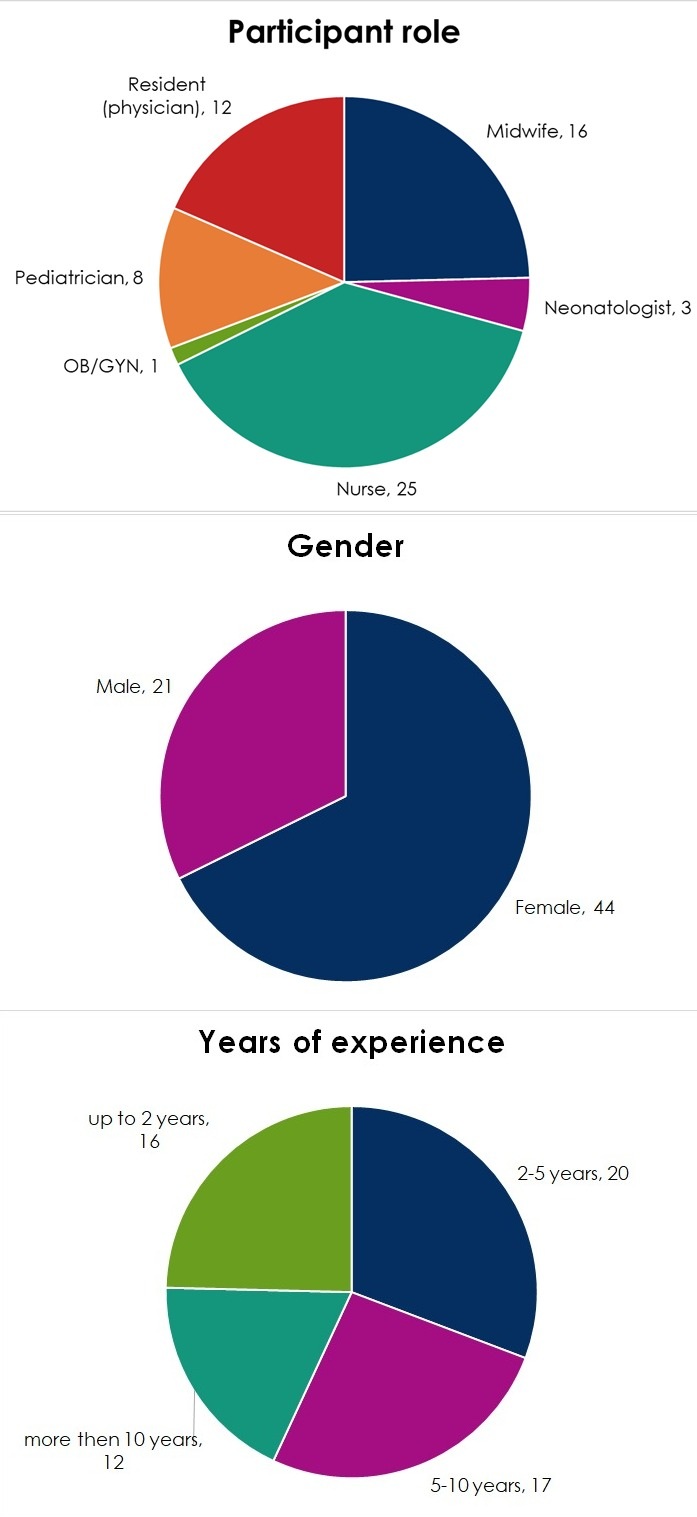
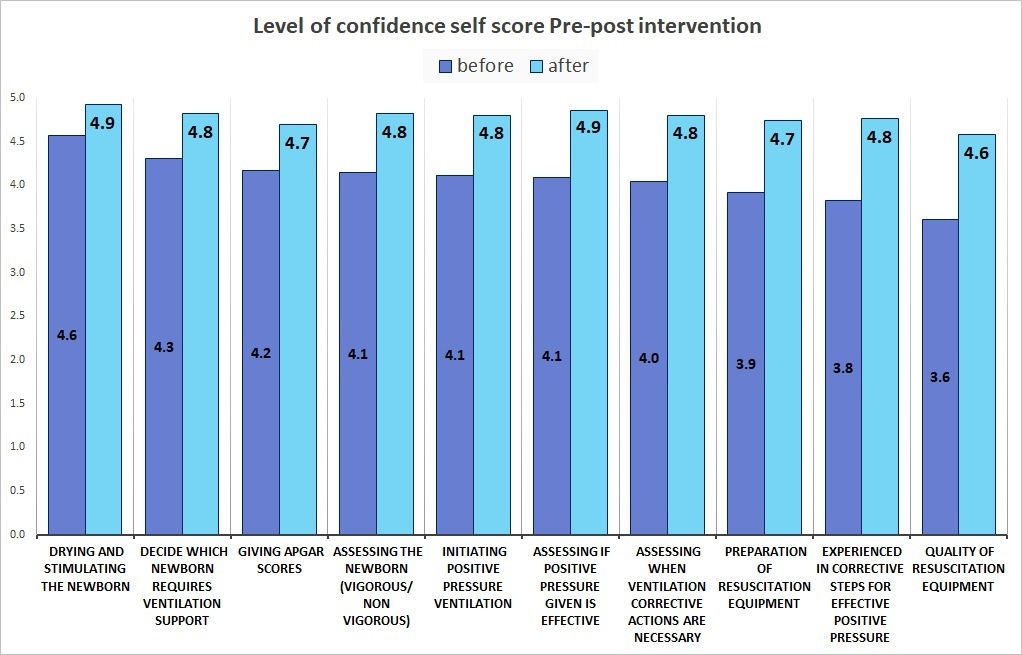
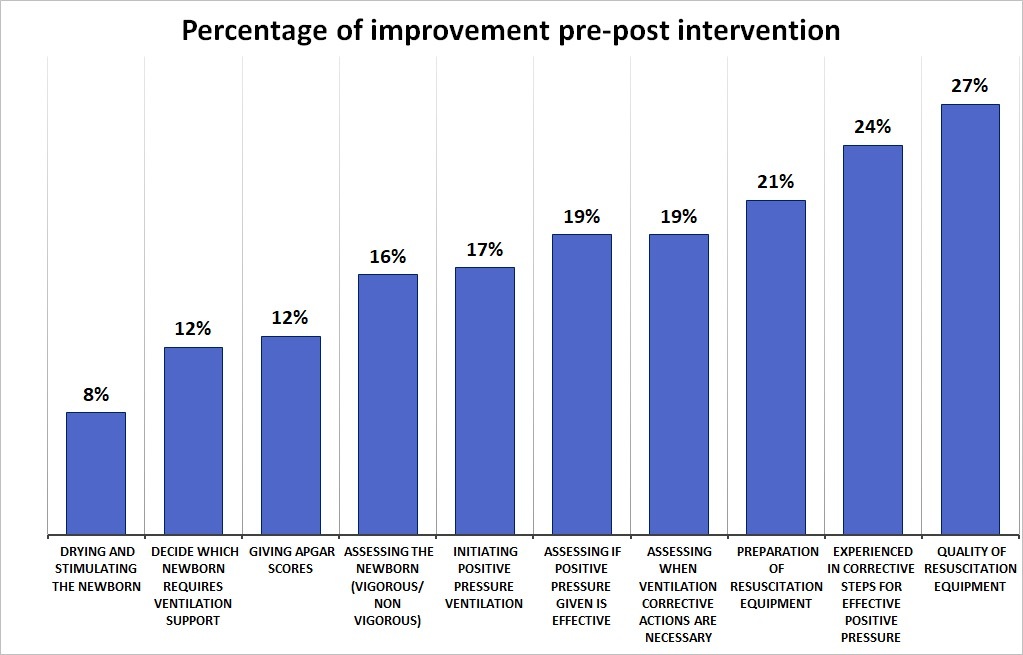
Background: Neonatal mortality remains a critical global health challenge, disproportionately affecting Sub-Saharan Africa. Through a needs assessment in local hospitals, we identified significant gaps in equipment quality and availability along with staff education and self-efficacy, hindering effective clinical response during high-stakes perinatal emergencies. Objective: The objective of this Quality Improvement initiative was to implement a short, context-specific training intervention to measurably self-reported confidence in fundamental neonatal resuscitation concepts among participating local healthcare team members within a 2-day period. Design/Methods: This Quality Improvement project was conducted across 2 sites in Ethiopia and Ghana. After first assessment of local needs and gaps, and adjusted equipment supply, healthcare providers involved in newborn care were invited to participate in a two-day, simulation-based newborn resuscitation course led by Neonatologists For Africa (NFA) team members (non profit organization). The intervention utilized a Plan-Do-Study-Act (PDSA) approach to refine training delivery based on participant feedback. Process measures included paired pre- and post-course questionnaires to assess self-efficacy, or comfort level, concerning fundamental resuscitation principles (using a 5-point Likert scale). Results: A total of 80 care providers participated and 65 pre and post questioners were filled (figure 1). Analysis showed a significant improvement in self-reported confidence across all fields (figure 2), with most significant change noted for quality of equipment and corrective steps effectiveness (figure 3). Overall pre to post training individual scores improved from 68.67 (SD=11.27) to 80.31 (SD=6.85) respectively, reflecting individual improvement of 16.7 points (p < 0.01 Cohen's d=0.98).
Conclusion(s): A short, targeted Quality Improvement intervention using simulation and following an assessment of local needs and basic equipment supply is feasible and immediately effective in rapidly improving the knowledge and self-efficacy of local staff in resource-constrained settings. These results support the need for evidence-based training as a strategy to build sustainable local capacity. Longitudinal follow-up is currently underway to assess skill decay, sustained knowledge, and the eventual impact on local neonatal morbidity and mortality
Figure 1. participants characteristics
Figure 2. Level of self confidence score, pre and post intervention
Figure 3. Percentage of improvement pre and post intervention