509 - Bridging Gaps in Child Behavioral Healthcare: Barriers and Ideal Services from the Perspectives of Caregivers and Pediatric Care Providers
Monday, April 27, 2026
8:00am - 10:00am ET
Publication Number: 4499.509
Maheen Ibrahimi, University of Pittsburgh School of Medicine, Pittsburgh, PA, United States; Apoorva Puranik, Lake Erie College of Osteopathic Medicine, Pittsburgh, PA, United States; Katherine Guyon-Harris, University of Pittsburgh School of Medicine, Pittsburgh, PA, United States
Medical Student University of Pittsburgh School of Medicine Pittsburgh, Pennsylvania, United States
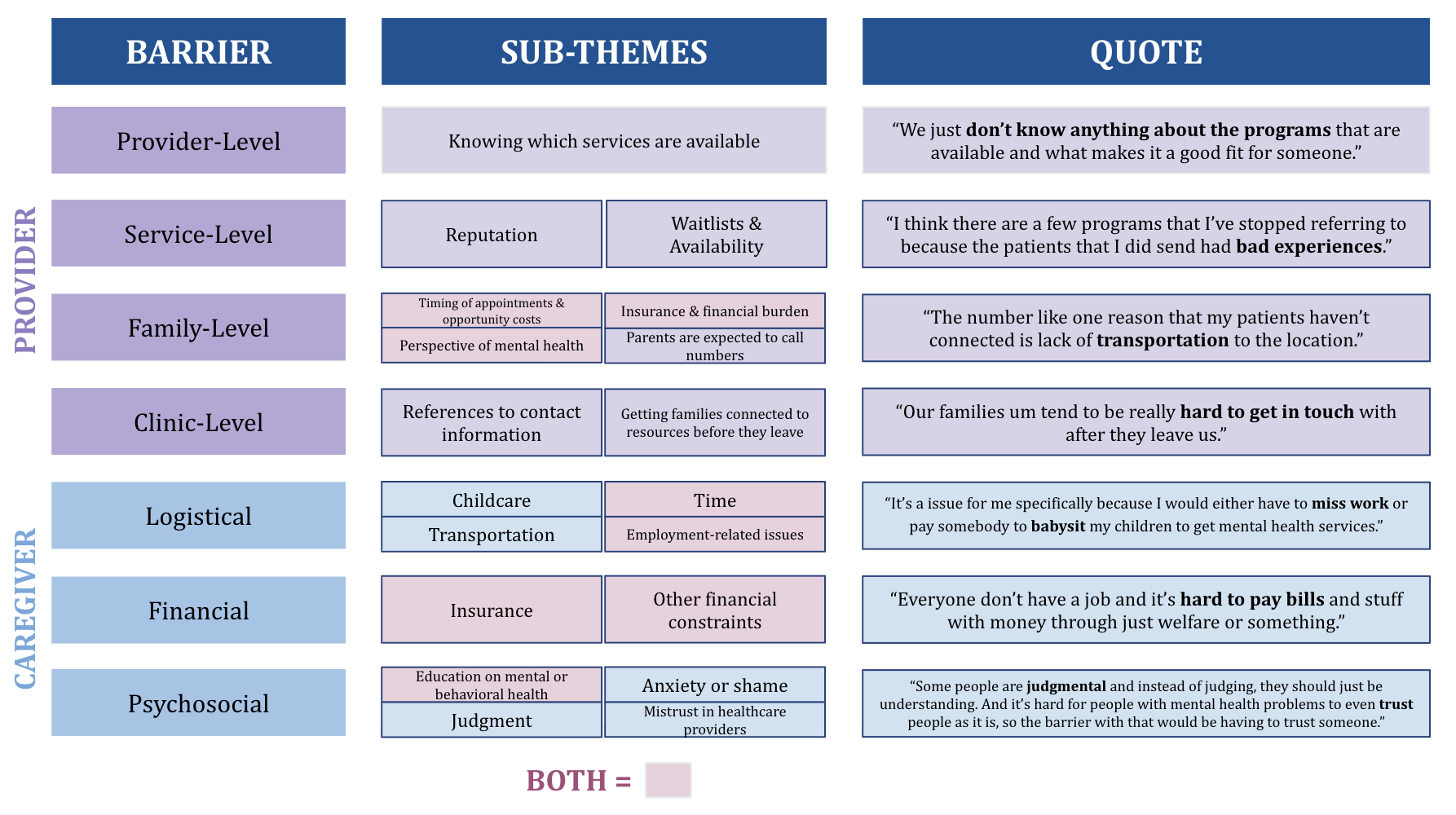
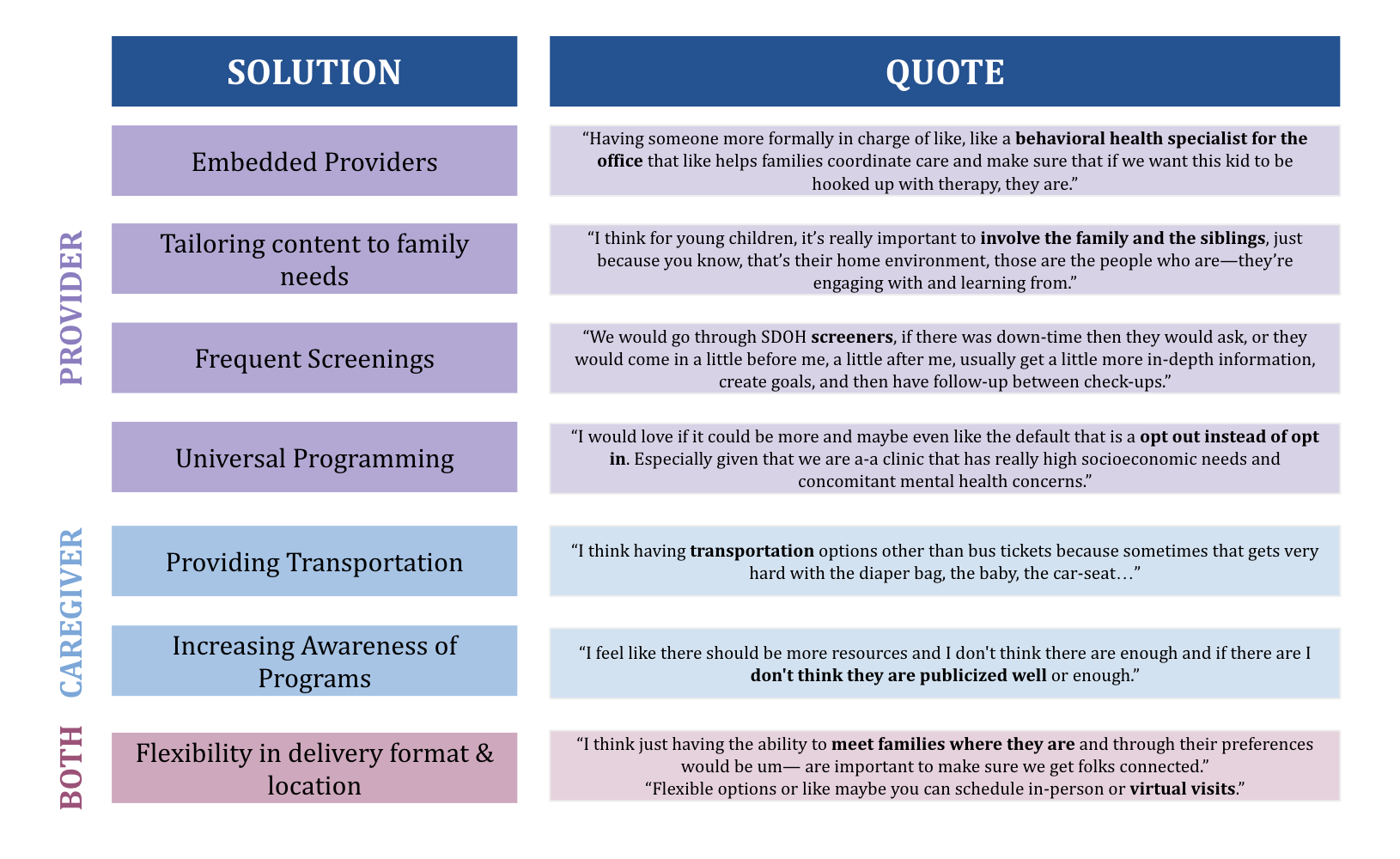
Background: Pediatric primary care is a pivotal setting for early identification and prevention of behavioral and mental health challenges in young children. Yet, despite growing recognition of early childhood behavioral health needs, families and providers continue to face barriers that delay care. Understanding the distinct and overlapping perspectives of caregivers and pediatric providers is essential to designing services that are both effective and accessible. Objective: To explore the barriers that families with young children face in accessing behavioral healthcare services in a pediatric primary care setting, and their ideal solutions from the perspectives of caregivers of young children and pediatric primary care providers. Design/Methods: Semi-structured one-on-one virtual interviews were used to qualitatively explore the perspectives of families with young children and pediatric primary care providers regarding access to behavioral healthcare. Participants were recruited from a local pediatric primary care center, a clinic serving a high proportion of Medicaid-eligible families (>85%). Interviews focused on experiences related to accessing behavioral healthcare for children. Deductive and inductive methods were used to develop a codebook followed by thematic analysis techniques to identify recurring themes. Results: Participants included 27 caregivers and 15 pediatric primary care providers. Caregivers described logistical (childcare, transportation, time, employment), financial (insurance and other costs), and psychosocial (stigma, anxiety, mistrust) barriers to behavioral healthcare. Providers reported system-level challenges, including limited knowledge of local resources, long waitlists, poor program reputation, and inadequate follow-up systems. Caregivers emphasized transportation assistance and clearer information about available services, while providers highlighted embedding behavioral health staff within clinics, family-centered approaches, and frequent and universal screenings. Both groups endorsed flexible delivery models, including virtual and community-based services, as solutions.
Conclusion(s): By centering both caregiver and provider perspectives in identifying and addressing barriers to behavioral healthcare for children, healthcare systems can design more responsive, family-centered models that meet families where they are, such as embedded behavioral health services. Such approaches have the potential to not only improve access and engagement but also promote early, sustained, and equitable behavioral health support for children.
Barriers to pediatric behavioral healthcare from the perspectives of caregivers and providers
Solutions to pediatric behavioral healthcare from the perspectives of caregivers and providers