181 - Enhancing Bowel Preparation Adherence and Quality in Pediatric Outpatient Colonoscopy: A Quality Improvement Initiative
Sunday, April 26, 2026
9:30am - 11:30am ET
Publication Number: 3174.181
Suraj Singh, University of Florida, Jacksonville, FL, United States; Razan Hassan, University of Florida College of Medicine, Jacksonville, FL, United States; Mafaz Ombada, university of Florida, Jacksonville, FL, United States; Salik Taufiq, Nemours Children's Hospital, Jacksonville, FL, United States
Resident Physician University of Florida Jacksonville, Florida, United States
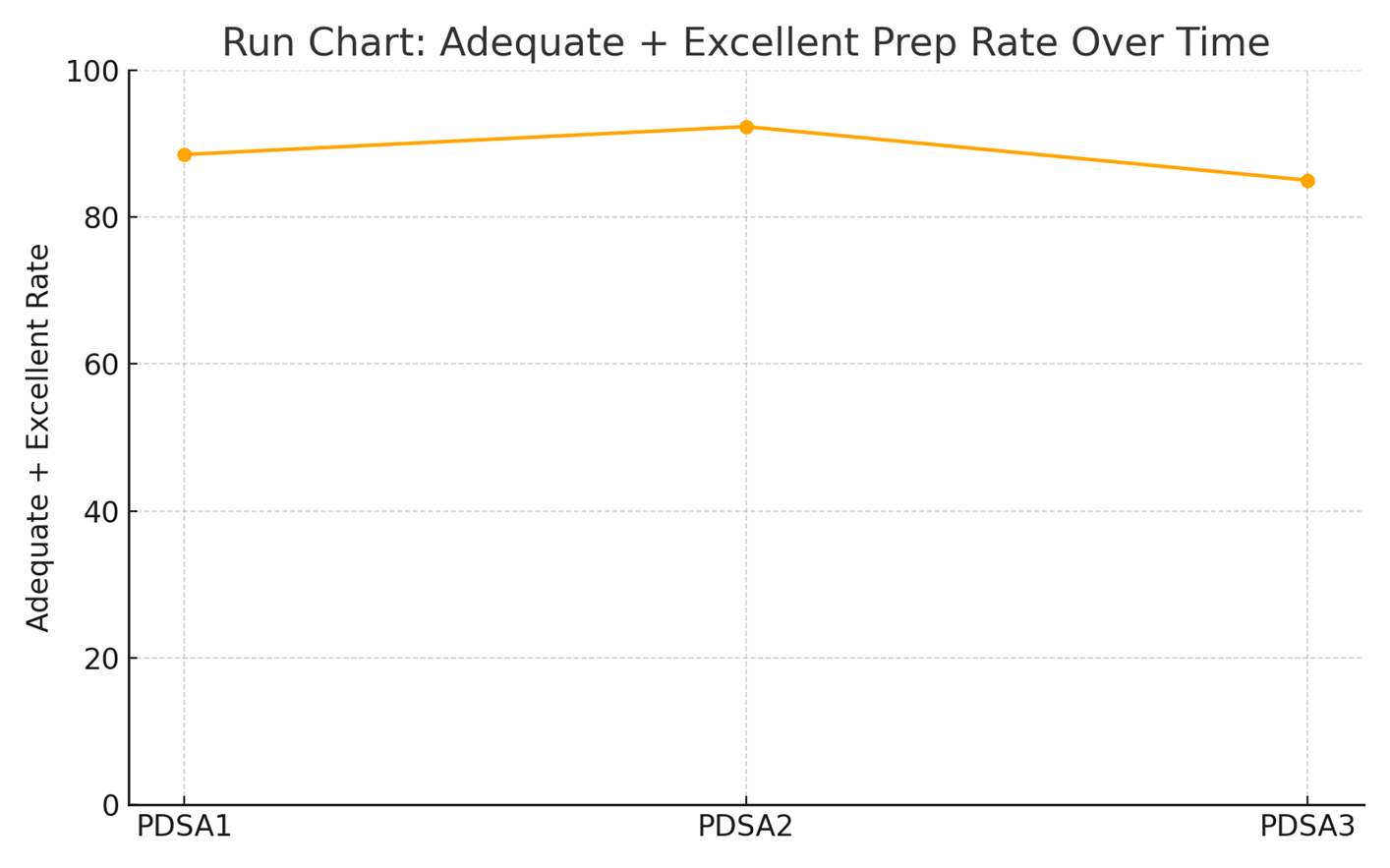
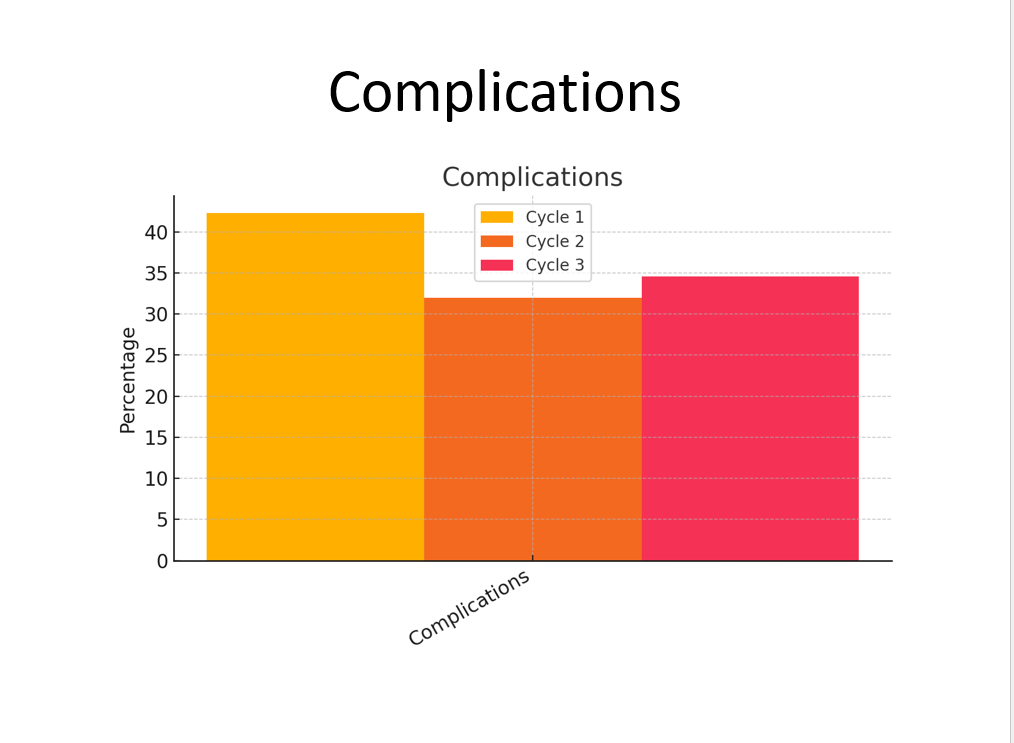
Background: Adequate bowel preparation is essential for successful pediatric colonoscopy, allowing for optimal mucosal visualization and accurate diagnosis. Inadequate preparation can lead to missed pathology, prolonged procedures, higher costs, and the need for repeat procedures. This quality improvement (QI) initiative at Wolfson Children's Hospital in Jacksonville, Florida, aimed to evaluate and improve adherence to and effectiveness of bowel preparation instructions among pediatric outpatients. Objective: To enhance bowel preparation adherence and quality among pediatric outpatients undergoing colonoscopy through targeted caregiver communication interventions. Design/Methods: This QI project utilized the Plan-Do-Study-Act (PDSA) framework to enhance bowel preparation adherence among pediatric outpatients undergoing colonoscopy. In PDSA Cycle 1, caregivers received clear, concise bowel preparation instructions through an informational pamphlet detailing dietary restrictions, medication guidance, and the preparation process. In PDSA Cycle 2, caregivers were contacted by telephone the day before the procedure to review and clarify instructions, while in PDSA Cycle 3, they received a text message reminder advising them to contact the on-call physician with any questions. The primary outcome measured was the proportion of patients achieving "adequate" or "excellent" bowel preparation, while secondary outcomes included bowel prep completion rates and the incidence of complications. Results: In PDSA Cycle 1, 88.5% of patients achieved "adequate" or "excellent" bowel preparation, which improved to 92% in Cycle 2 following telephone reminders, then slightly declined to 84.6% in Cycle 3 with text message reminders. Telephone follow-ups demonstrated the highest adherence and preparation quality, whereas text-based communication showed a modest decline, likely due to reduced interactivity and uncertainty about message receipt. Bowel preparation completion rates were 92.3%, 100%, and 84.6% across Cycles 1, 2, and 3, respectively. Complication rates decreased from 42.3% in Cycle 1 to 32% in Cycle 2, before a minor increase to 34.6% in Cycle 3.
Conclusion(s): This QI initiative showed that proactive caregiver communication-especially through direct phone calls-significantly improved bowel prep adherence and quality in pediatric outpatients. As a low-cost, scalable strategy, this approach can enhance colonoscopy outcomes. Future studies should assess combined communication methods across larger, multi-center settings.
Run Chart Depicting Adequate + Excellent Bowel Preparation Rates Across QI Cycles.
Figure illustrating the complications percentage observed during the bowel preparation process.









.jpg "Suraj Singh, MD (he/him/his) photo")