








Neonatal Hemodynamics and Cardiovascular Medicine
Session: Neonatal Hemodynamics and Cardiovascular Medicine 3
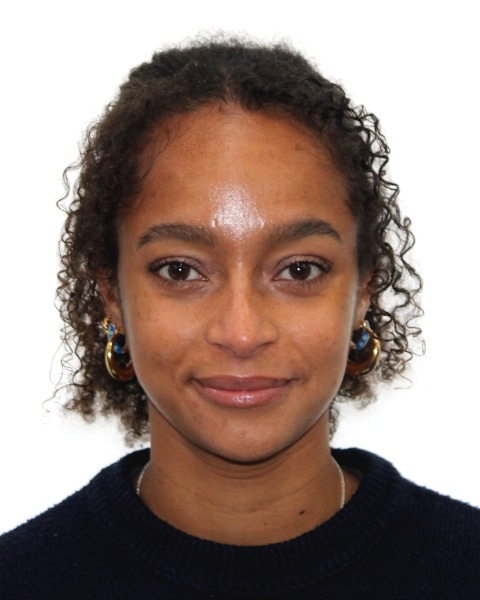
Bineta Elisabeth Lahr, MD (she/her/hers)
PhD Candidate Department of Neonatology
University Medical Center Groningen
Groningen, Groningen, Netherlands
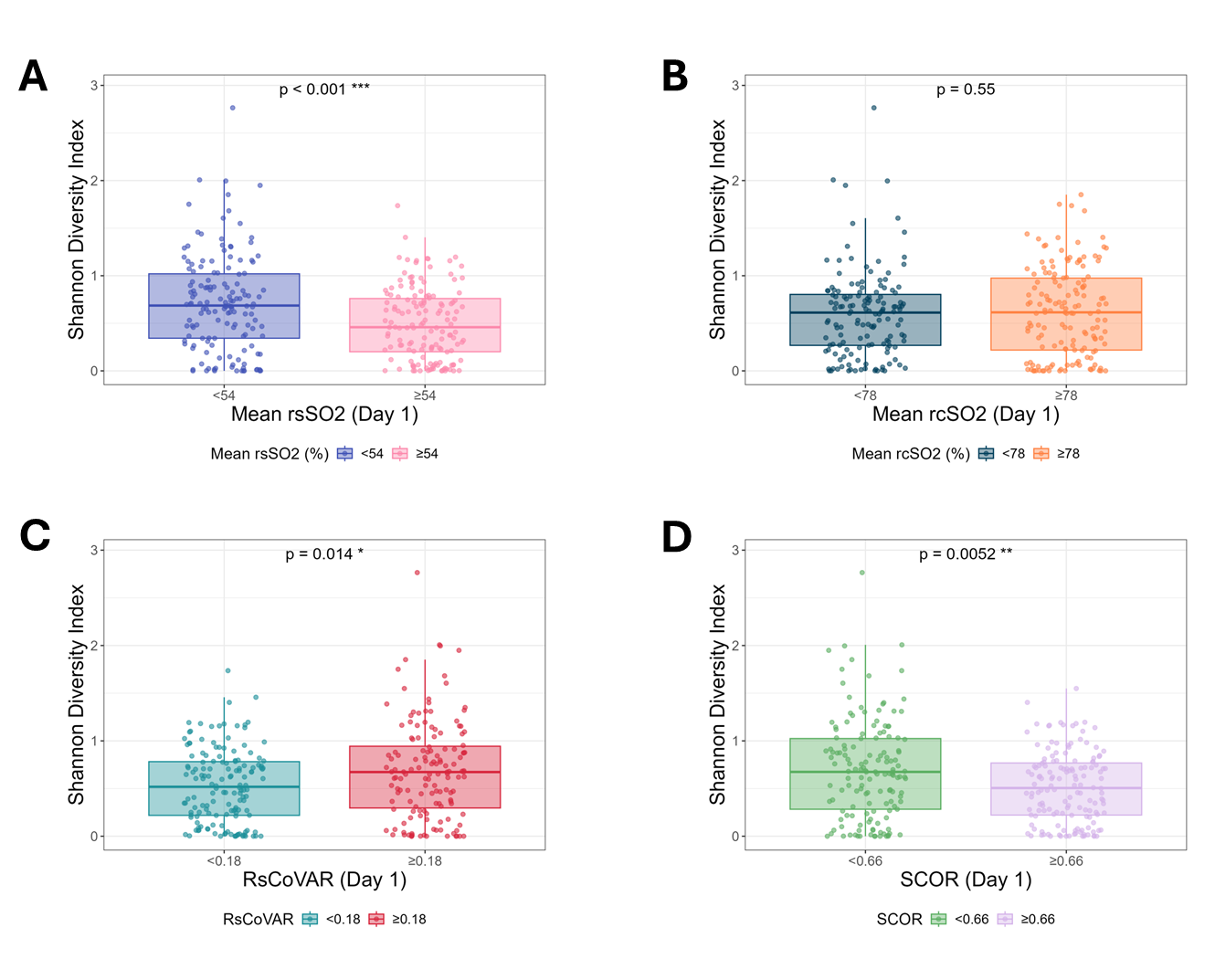 A. Regional splanchnic oxygen saturation (rsSO₂): significantly higher diversity at < 54% vs. ≥ 54% (p < 0.001). B. Regional cerebral oxygen saturation (rcSO₂): no significant difference between < 78% and ≥ 78% (p = 0.55). C. RsSO₂ variability (rsCoVAR = SD/mean): significantly higher diversity at ≥ 0.18 vs. < 0.18 (p = 0.014). D. Splanchnic-cerebral oxygenation ratio (SCOR): significantly higher diversity at <0.66 vs. ≥ 0.66 (p = 0.005). *Indicates p < 0.05, **p < 0.01, ***p < 0.001. Boxplots show medians, hinges (25th - 75th percentiles), and whiskers up to 1.5× the interquartile range. Cut-offs were based on median values. For rsCoVAR, a cutoff of 0.18 was used based on clinical relevance and significance, although the median value was 0.17 (p = 0.066).