433 - Characterizing Unmet Housing Needs in a Pediatric Emergency Department
Monday, April 27, 2026
8:00am - 10:00am ET
Publication Number: 4424.433
Alejandro Hermida, Children's Hospital Los Angeles, Los Angeles, CA, United States; Anita R.. Schmidt, Children's Hospital Los Angeles, Los Angeles, CA, United States; Payal Shah, Children's Hospital Los Angeles, Los Angeles, CA, United States; Pradip P.. Chaudhari, Children's Hospital Los Angeles, Los Angeles, CA, United States; Mia Kanak, Weill Cornell Medicine, New York, NY, United States
Pediatric Emergency Medicine Fellow Children's Hospital Los Angeles Los Angeles, California, United States
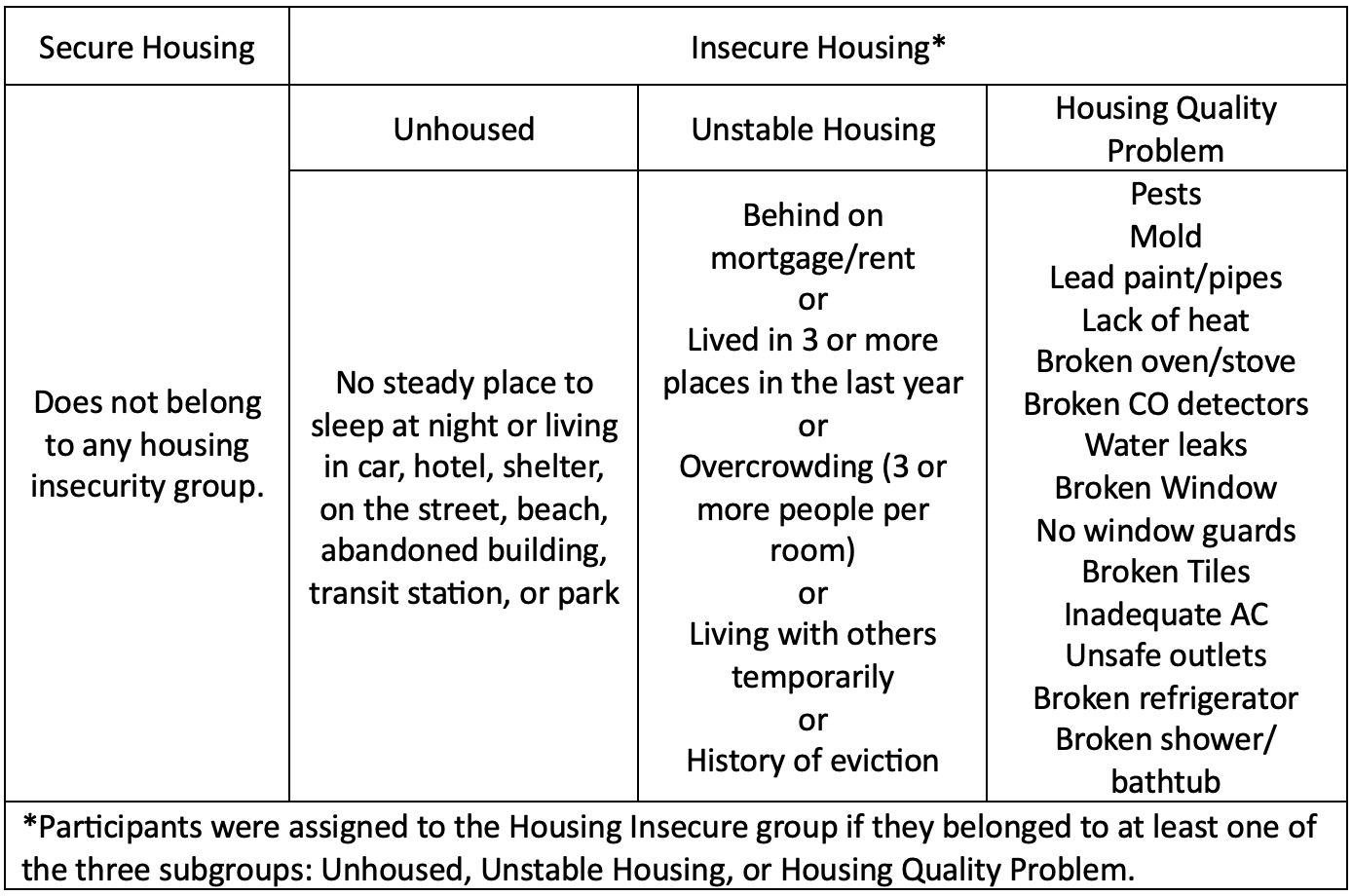
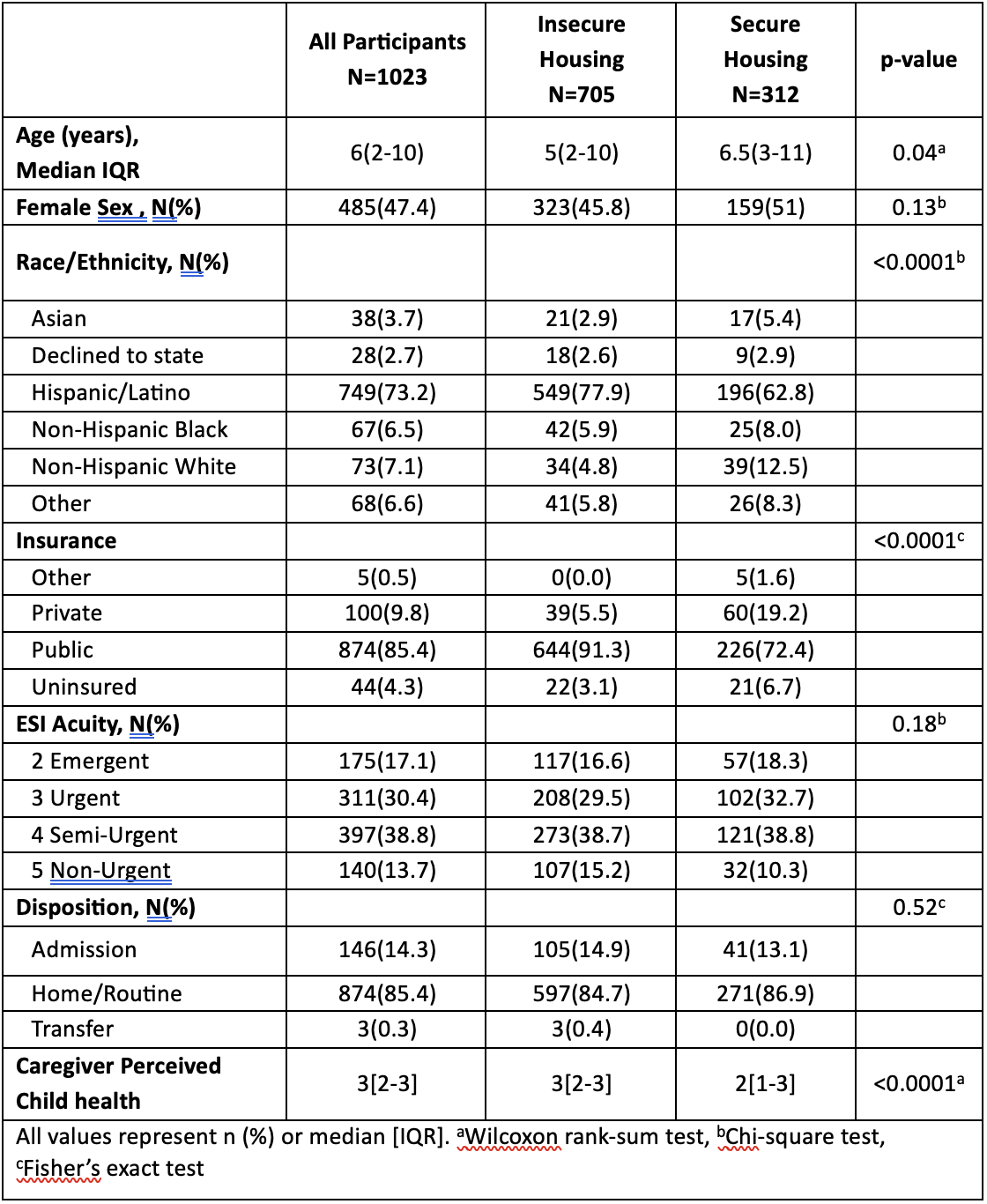
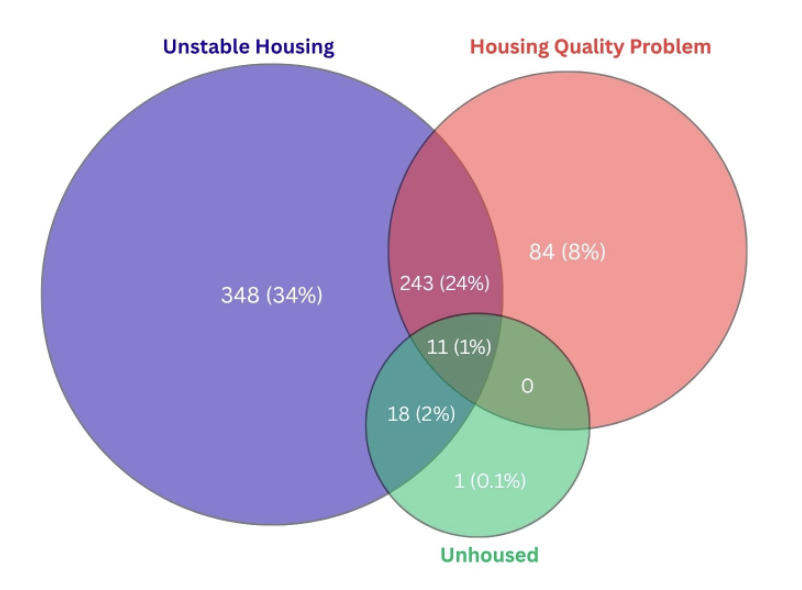
Background: The pediatric ED (PED) is a safety net for families who have limited access to primary healthcare and preventive services. Housing is an important driver of child health, yet there is limited information on the specific kinds of housing problems faced by families presenting to the PED. Objective: 1: To describe housing problems encountered by families in the PED. 2: To determine whether families in the PED report being previously screened and referred for housing resources in the healthcare setting, and to determine the relationship between housing needs and caregivers' perceived child health status. Design/Methods: This was a single center cross-sectional survey study with a convenience sample of participants presenting to a PED between October 2024-April 2025. Eligible participants were adult caregivers of patients < 18, ESI acuity > 1, with English or Spanish primary language, who live with the patient at least 50% of the time. Each participant completed a survey comprised of multiple published housing screening tools. Demographic data, insurance type, ESI-level, and disposition were collected from medical records. Our primary outcome, housing status, was defined using published literature (Table 1). Univariate statistics were used to compare the difference in demographics, ED characteristics, and perceived child health between secure and insecure housing groups. Results: We enrolled 1,032 subjects. Of those, 705 (68.9%) reported insecure housing (Table 2), consisting of 30 (4.2%) who were unhoused, 620 (87.9%) with unstable housing, and 338 (47.9%) with housing quality problems. 11 (1%) reported having all 3 housing problems, 18 (1.8%) reported being unhoused and unstable, and 243 (23.8%) reported unstable housing and housing quality problems (Figure 1). Race/ethnicity (p < 0.0001) and insurance type (p < 0.0001) differed between secure and insecure housing groups. Of those with insecure housing, 9% had previously been screened and only 2% had been offered housing resources. Families in the insecure housing group reported lower perceived child health status of their children (p < 0.0001). There were no differences in ESI or disposition between stable and unstable housing groups (Table 2).
Conclusion(s): Most families in our PED sample reported at least one housing problem. Families with insecure housing were unlikely to have been asked about their housing in prior healthcare settings. Although no differences between ESI and disposition were found, families with insecure housing reported lower child health status compared to families with secure housing.
Table 1: Definitions of housing problems
Table 2: Comparison of demographics, ED characteristics, and perceived child health between insecure and secure housing groups.
FIGURE 1: Overlap among types of housing insecurity experienced by PED families