375 - Research Prioritization Studies in Paediatric Hospital Medicine: A Scoping Review
Monday, April 27, 2026
8:00am - 10:00am ET
Publication Number: 4367.375
Anmol Samra, The Hospital for Sick Children, Toronto, ON, Canada; Grace SY. Leo, The Hospital for Sick Children, Toronto, ON, Canada; Abigail Whitehouse, Queen Mary University of London, London, England, United Kingdom; Richard McGee, University of Newcastle, Newcastle, New South Wales, Australia; Amanda Schondelmeyer, Cincinnati Children's Hospital Medical Center, Cincinnati, OH, United States; Kavita Parikh, Children's National Health System, Washington DC, DC, United States; Jessie Cunningham, The Hospital for Sick Children, Toronto, ON, Canada; Sanjay Mahant, The Hospital for Sick Children, Toronto, ON, Canada; Peter J. Gill, The Hospital For Sick Children, Toronto, ON, Canada
Staff Physician, Scientist The Hospital For Sick Children Toronto, Ontario, Canada
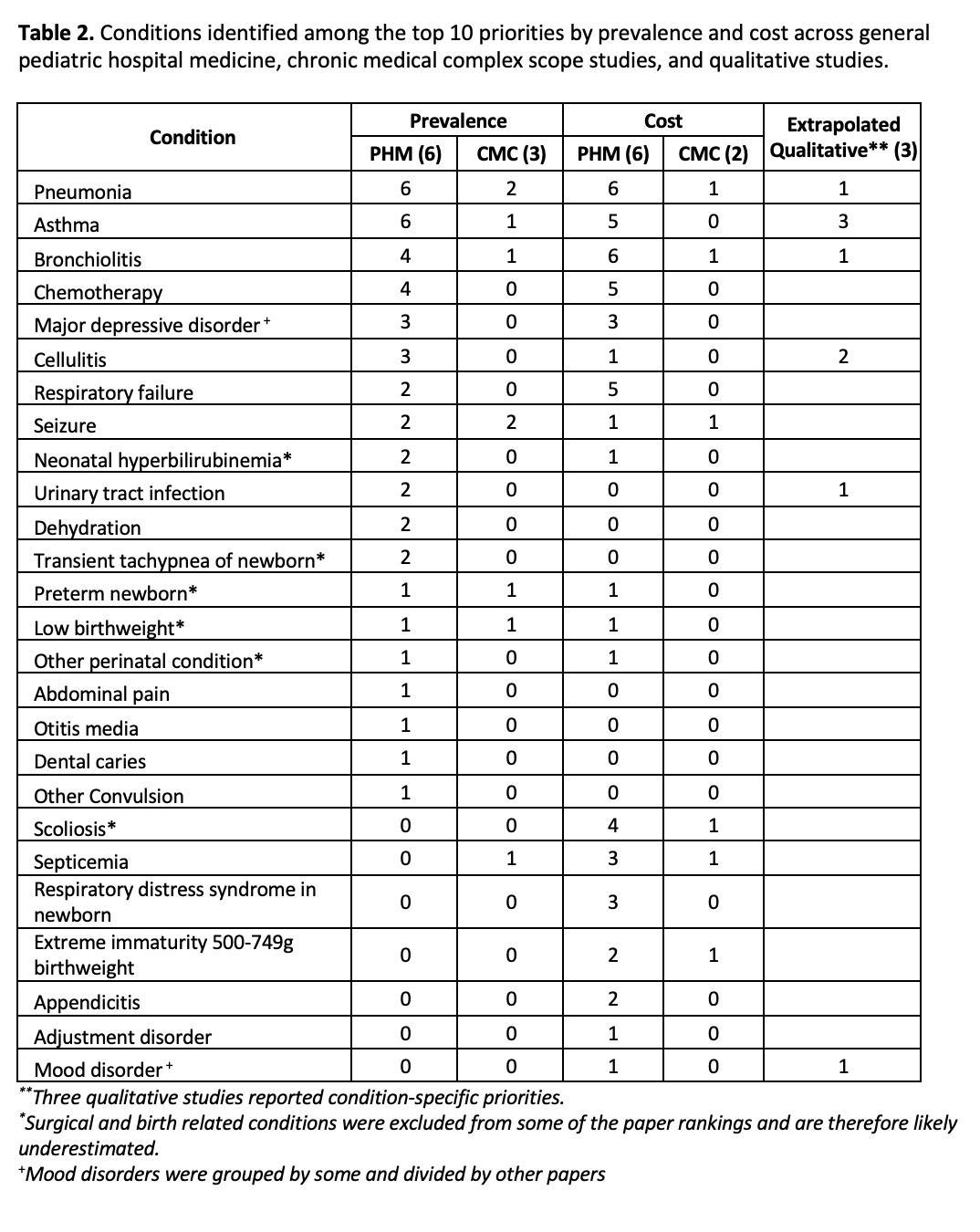
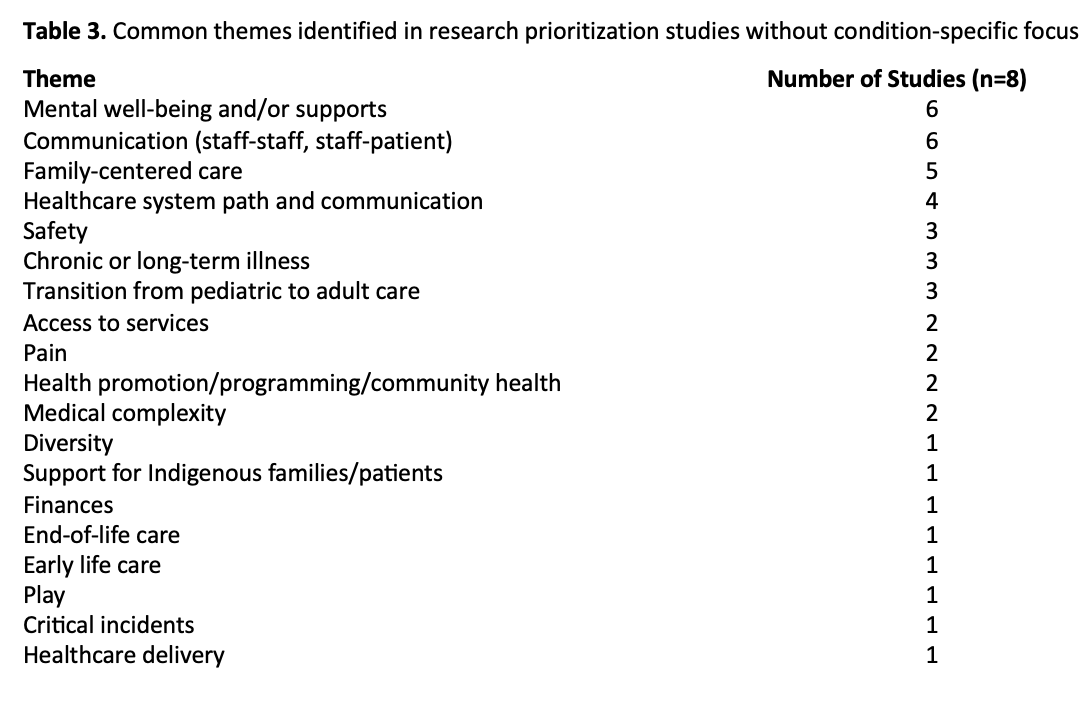
Background: Paediatric hospital medicine (PHM) involves the treatment of a diverse patient population, ranging from children with common conditions like asthma to those with medical complexity. Despite its importance, significant research gaps and variation in clinical practices and outcomes persist within PHM. Research prioritization is crucial to ensure resources are directed towards areas with the greatest potential to impact quality of care and patient health outcomes. Objective: To identify and characterize research prioritization studies conducted in PHM and consolidate common high-priority research topics across studies. Design/Methods: We searched six electronic databases (Ovid Medline ALL, Ovid Embase Classic+Embase, Ovid EBM Reviews Cochrane Central Register of Controlled Trials, Ovid APA PsycINFO, WHO LILACS, and Clarivate Web of Science Core Collection) from inception to December 11, 2024. All primary studies that explicitly aimed to prioritize research or gaps in PHM were eligible. Two reviewers independently screened articles in duplicate using Covidence. Conflicts were resolved through consensus and consultation with a third reviewer. Two reviewers independently extracted data, with spot-checking for accuracy. Descriptive analyses were conducted. Results: Of 9817 titles identified, 78 full-texts were reviewed, and 26 studies included. Eleven studies used qualitative approaches (i.e. Delphi, James Lind Alliance), while 15 used quantitative methods (i.e. database to prioritize based on a priori criteria such as cost and prevalence). The three most common priority themes identified across qualitative studies were mental well-being and supports, communication, and family-centered care. Among the six quantitative studies examining the general PHM population, the most commonly included conditions as prioritized by cost and/or prevalence were pneumonia, asthma, bronchiolitis, and chemotherapy. Respiratory failure was included in 5 out of 6 papers as a costly condition. Chemotherapy and Major Depressive Disorder were the next most frequently included conditions across cost and prevalence in 5 and 4 studies out of 6 respectively.
Conclusion(s): The topics identified in PHM priority setting research vary by study design. Quantitative studies featured respiratory conditions with high clinical burden, while qualitative studies emphasized topics valued by patients, families, and healthcare providers. Future research agendas should incorporate areas beyond disease burden to address challenges that matter most to patients, families, and other stakeholders.
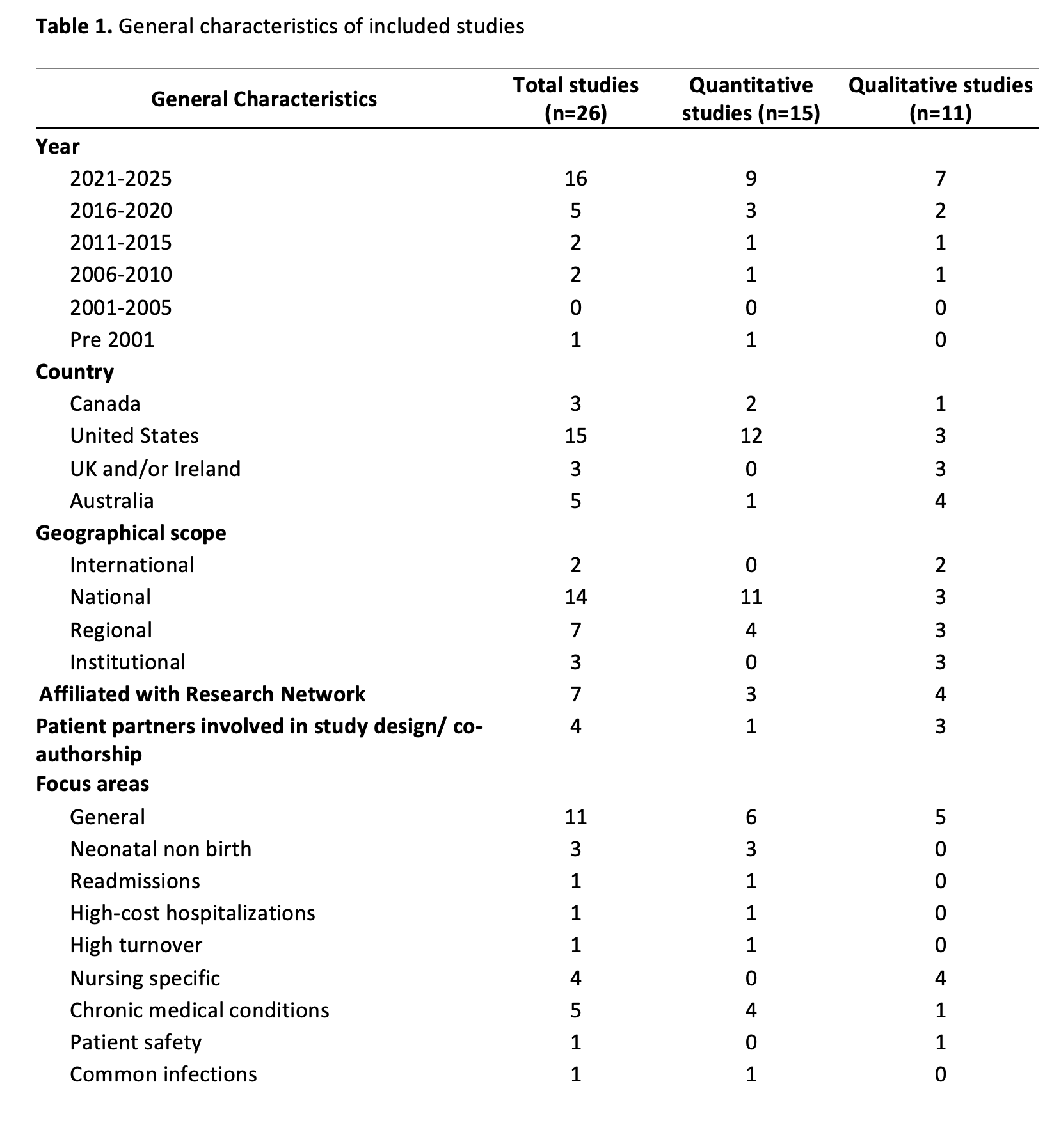
Table 1. General characteristics of included studies.
Table 2. Conditions identified among the top 10 priorities by prevalence and cost across general pediatric hospital medicine, chronic medical complex scope studies, and qualitative studies.
Table 3. Common themes identified in research prioritization studies without condition-specific focus.