Session: Technology 3: Telemedicine and Virtual Health
190 - Caregiver Experiences with Telemedicine and Satisfaction with Healthcare for Teens with Asthma
Monday, April 27, 2026
8:00am - 10:00am ET
Publication Number: 4187.190
Reynaldo S. Tajon, University of Rochester School of Medicine and Dentistry, Rochester, NY, United States; Maria Fagnano, University of Rochester School of Medicine and Dentistry, Rochester, NY, United States; Sean M. Frey, University of Rochester School of Medicine and Dentistry, Rochester, NY, United States; Paul Tremblay, University of Rochester Medical Center, Rochester, NY, United States; ignacio J. sanchez, Golisano Children's Hospital at The University of Rochester Medical Center, Rochester, NY, United States; Jill Halterman, University of Rochester School of Medicine and Dentistry, Rochester, NY, United States
Senior Humans Subject Research Specialist University of Rochester School of Medicine and Dentistry Rochester, New York, United States
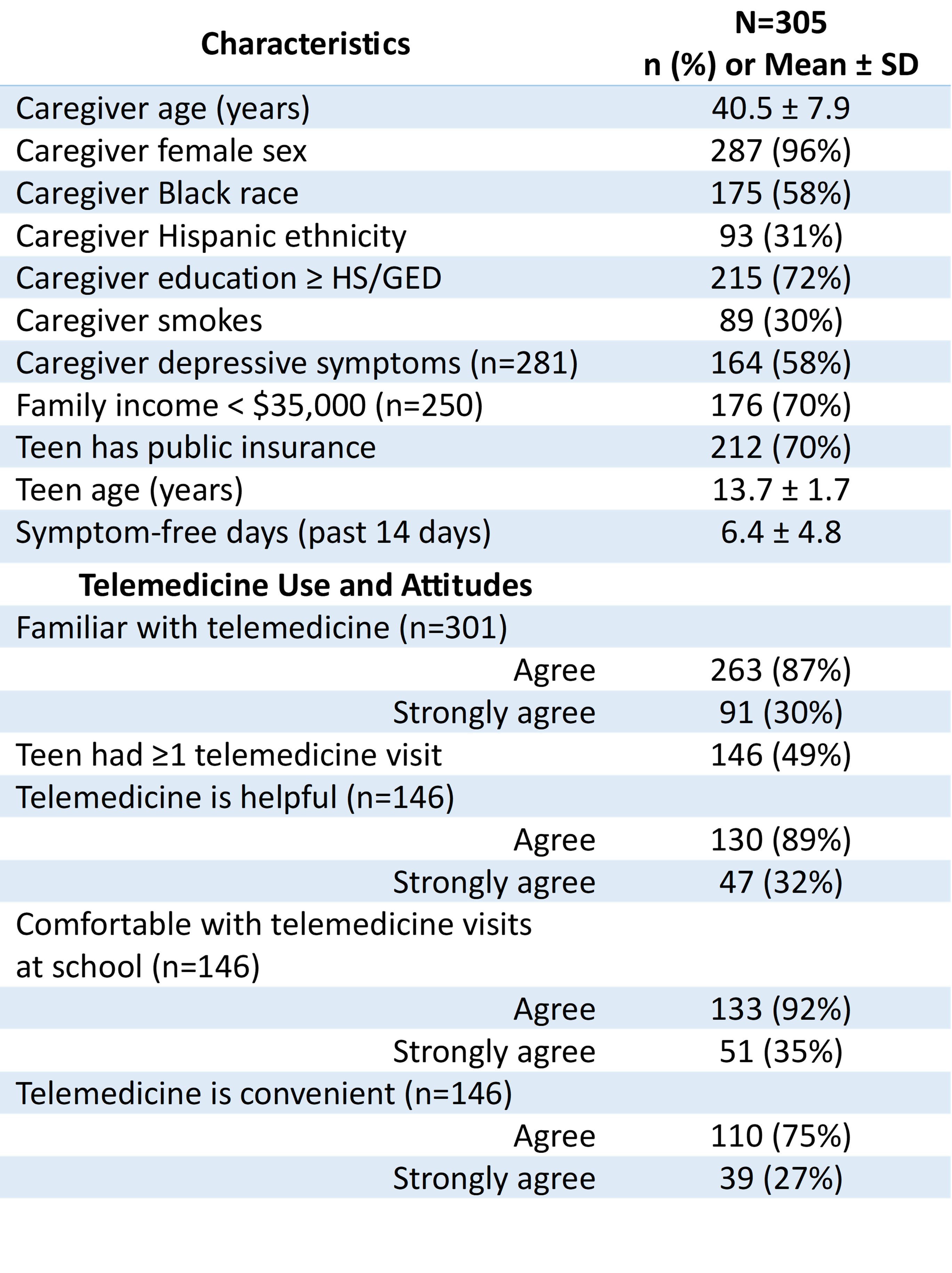
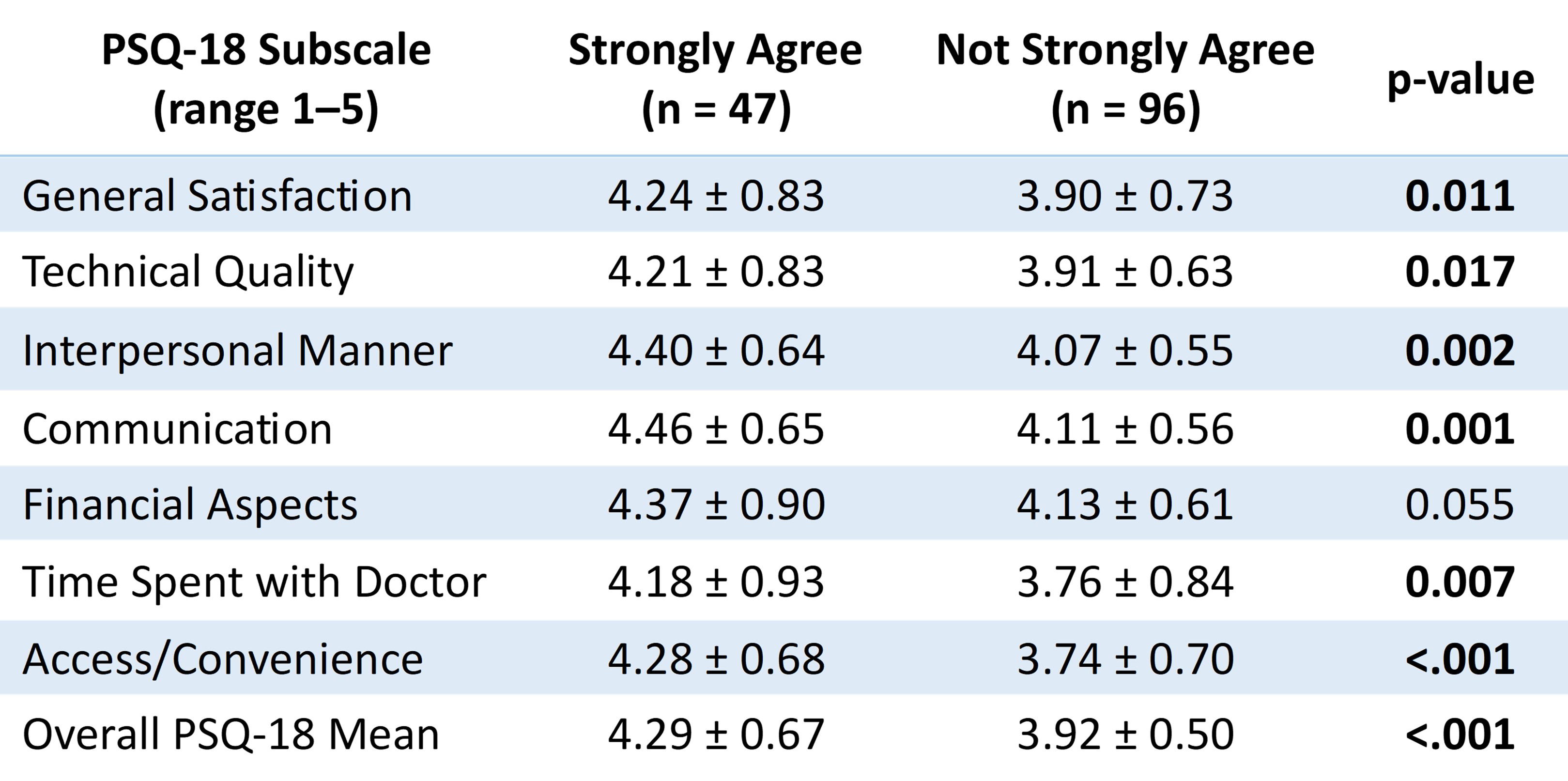
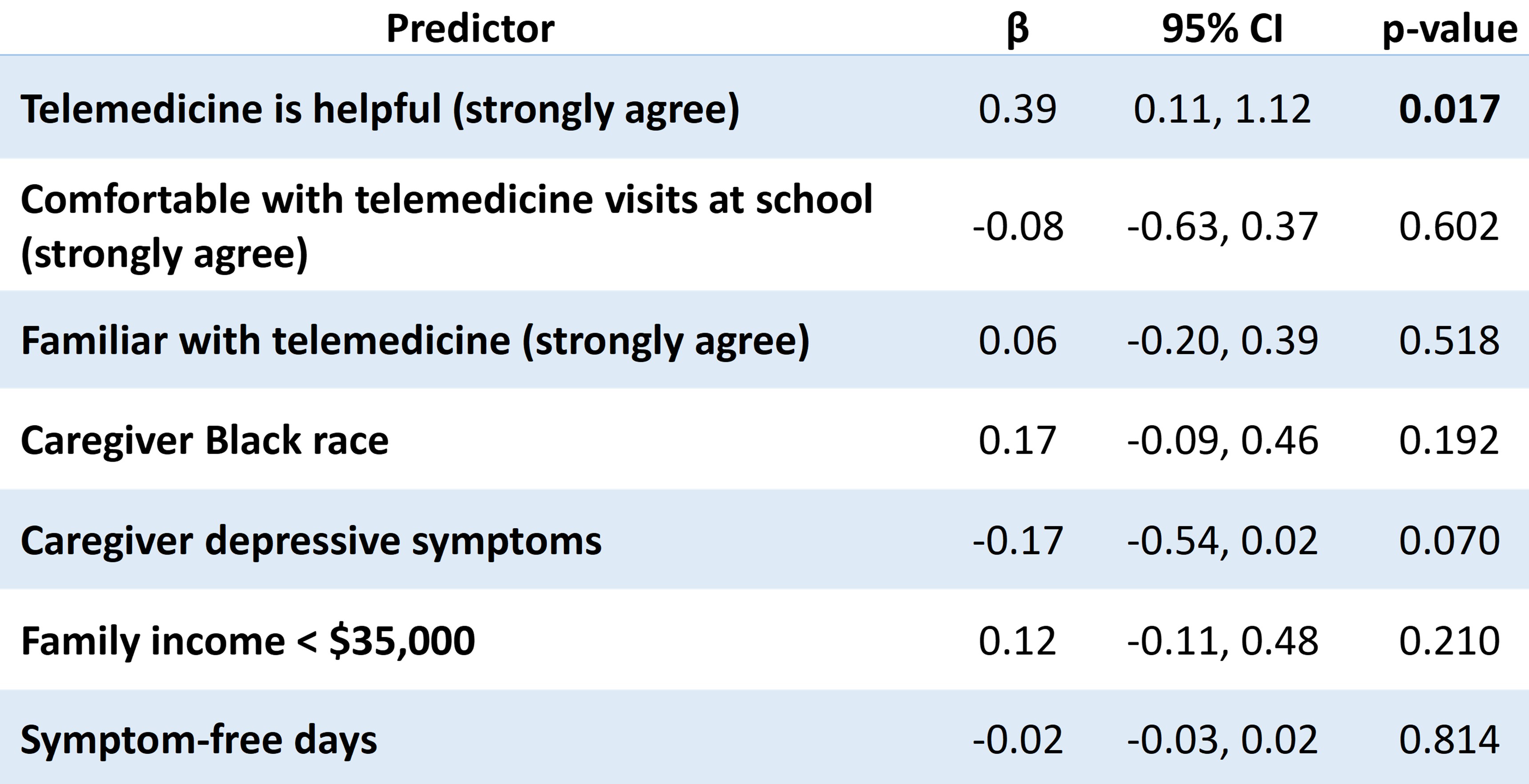
Background: Telemedicine has the potential to enhance access to pediatric asthma care, yet it remains unclear whether effective use of telemedicine by parents corresponds with broader satisfaction regarding their child's healthcare. The Patient Satisfaction Questionnaire (PSQ-18) assesses overall satisfaction across domains such as access, communication, and time spent with provider, offering a lens to explore how experiences with telemedicine relate to perceptions of general care. Objective: To examine the relationship between caregiver experiences with telemedicine and satisfaction with their adolescent's medical care and to identify which PSQ-18 domains are most closely aligned with telemedicine perceptions. Design/Methods: We used baseline data from the Telemedicine-Enhanced Asthma Management-Uniting Providers for Teens (TUFT), an ongoing school-based study including adolescents (11-17 y) with persistent or poorly controlled asthma (N = 305; participation rate; 60%). Caregivers of teens completed the PSQ-18 and items assessing telemedicine familiarity, comfort with school-based telemedicine, and perceived helpfulness. Independent-samples t-tests compared PSQ-18 scores by attitude group. Linear regression models examined associations between telemedicine attitudes and PSQ-18 scores, adjusting for caregiver, race, depressive symptoms, income, and teen symptom-free days. Results: Caregivers were primarily female (96%), Black (58%), and lower income (70% <$35,000). Overall caregiver satisfaction with healthcare was high (mean PSQ-18=4.0) compared to other published data. Most caregivers (87%) were familiar with telemedicine, and 49% reported their teen had prior telemedicine visits. Among those with prior telehealth exposure (n=146), caregivers who strongly agreed that telemedicine is helpful reported higher satisfaction across several PSQ-18 domains; Access/Convenience (4.28 vs 3.74, p<.001), Communication (4.46 vs 4.11, p=.001), Interpersonal Manner (4.40 vs 4.07, p=.002), and Time Spent with Doctor (4.18 vs 3.76, p=.007). In multivariable regression, Access/Convenience remained significantly associated with telemedicine helpfulness (β=0.39, p=.017).
Conclusion(s): Among racially diverse, low-income caregivers of adolescents with asthma, favorable perceptions of telemedicine were associated with greater overall healthcare satisfaction, particularly in domains related to access and convenience. This suggests that using telemedicine in a manner that satisfies patient needs relates to a broader sense of healthcare accessibility and underscores the potential value of expanded telehealth services within community settings.
Table 1. Family Teen Characteristics and Telemedicine Attitudes
Table 2. PSQ-18 Subscale Means by Telemedicine "Helpful" Attitude
Table 3. Linear Regression Predicting Caregiver Satisfaction with 'Access and Convenience' PSQ-18 Subscale