489 - Family Preferences for Pediatric Research Participation
Monday, April 27, 2026
8:00am - 10:00am ET
Publication Number: 4480.489
Laiba Bajwa, Ann & Robert H. Lurie Children's Hospital of Chicago, Chicago IL, IL, United States; Adam B. Becker, Northwestern University The Feinberg School of Medicine, Chicago, IL, United States; Kathryn (Callie) C. Kaplan, Ann & Robert H. Lurie Children's Hospital of Chicago, Chicago, IL, United States; Emily Golbeck, Ann & Robert H. Lurie Children's Hospital of Chicago, Chicago, IL, United States; Marie Heffernan, Ann & Robert H. Lurie Children's Hospital of Chicago, Chicago, IL, United States; Jennifer K. Saper, Ann & Robert H. Lurie Children's Hospital of Chicago, Chicago, IL, United States; MIchelle Macy, Ann & Robert H. Lurie Children's Hospital of Chicago, Chicago, IL, United States
Professor Ann & Robert H. Lurie Children's Hospital of Chicago Chicago, Illinois, United States
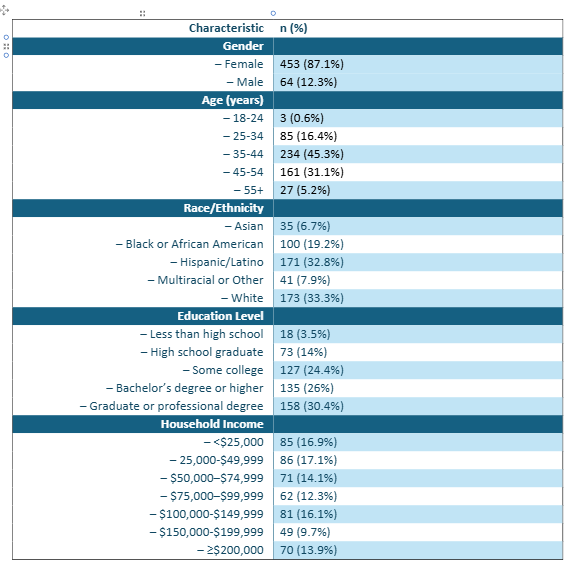
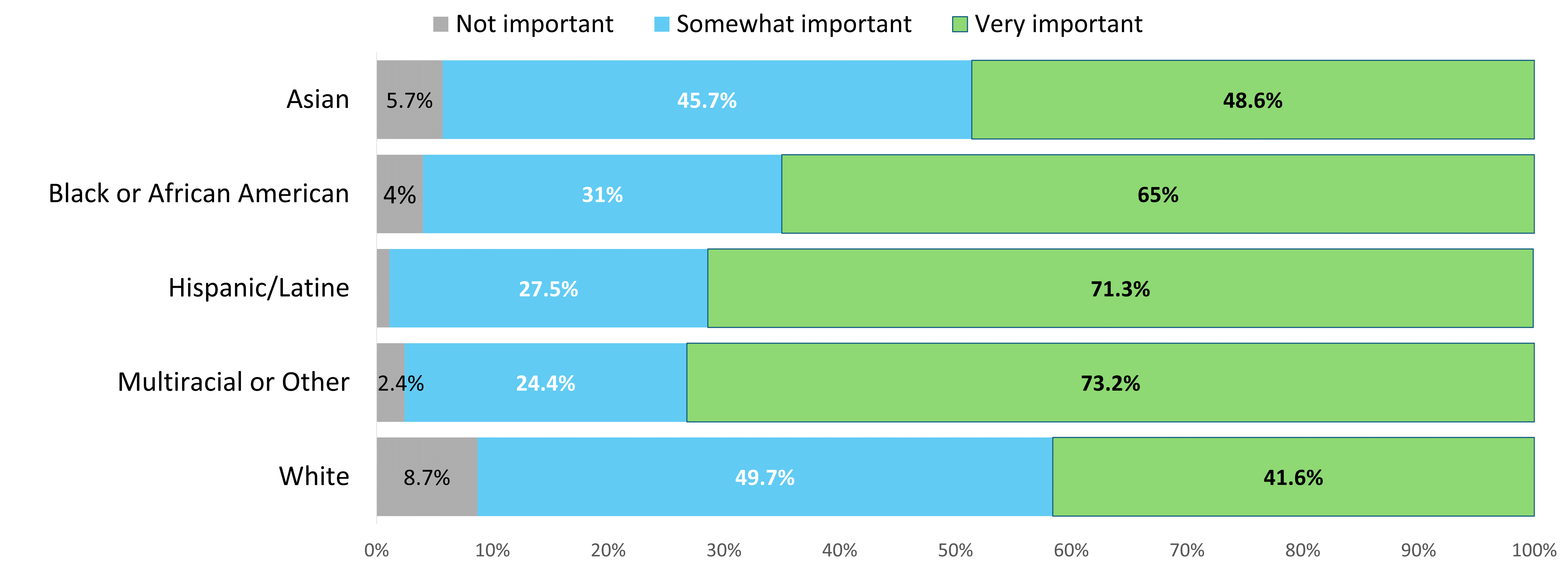
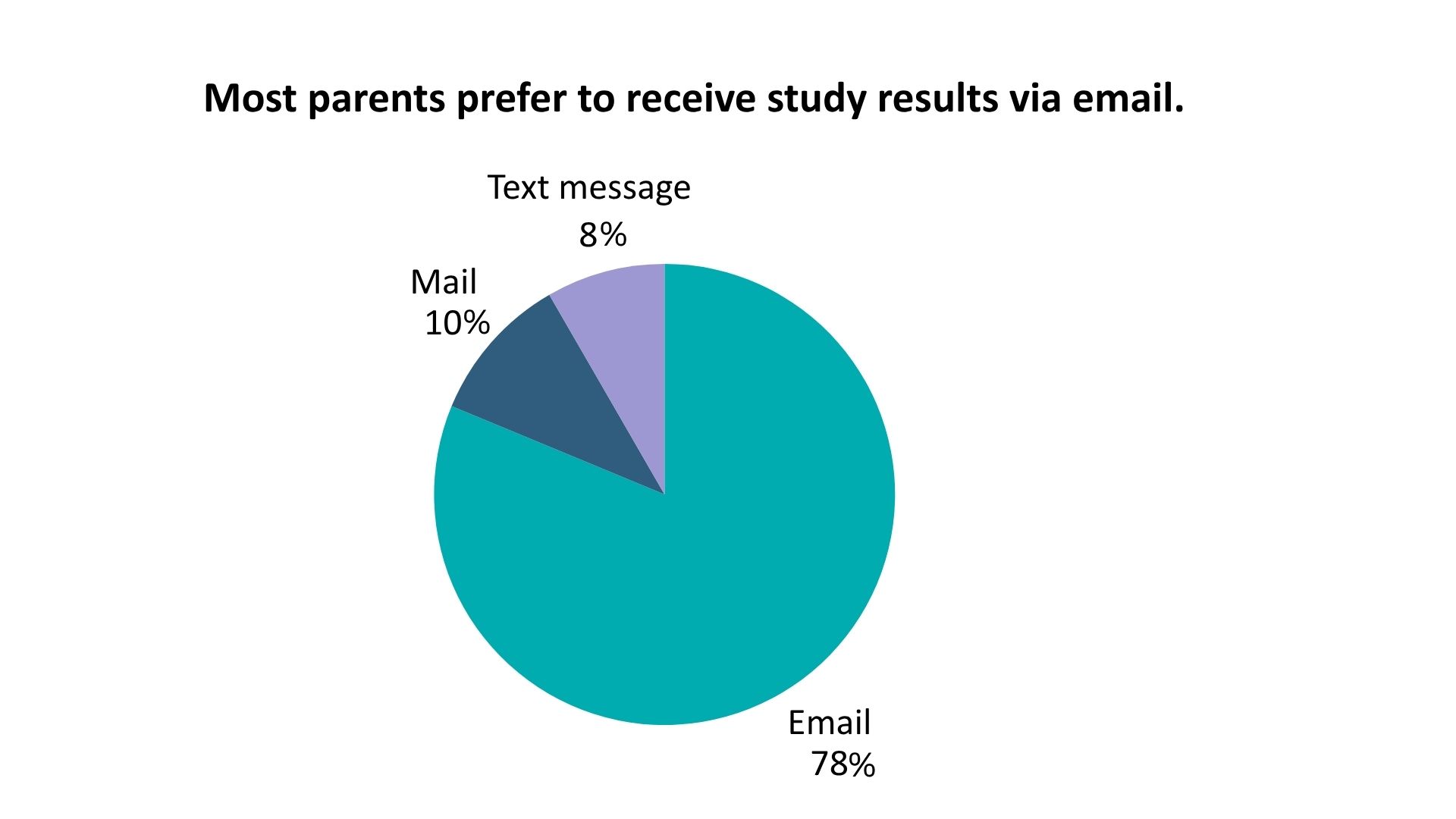
Background: Child and family participation in pediatric research is vital to promoting child health. Lurie Children's Community and Provider Input for Learning, Outreach and Transformation (Co-Pilot) initiative is leading efforts to transform how research is conducted at Stanley Manne Children's Research Institute, with enhancing study participation as one area of focus. As trust in science is wavering, understanding parental preferences for different modifiable aspects of research design is paramount. Objective: To explore preferences for research recruitment, implementation, and dissemination strategies among a sample of parents within the metropolitan Chicago area. Design/Methods: We fielded an online survey in November 2024 to parents in derived from the Voices of Child Health in Communities panel. The survey was programmed in Qualtrics for online distribution to parents or guardians that had at least one child < 18 living in their household. The survey explored preferences for initial research contact, study participation, compensation, and dissemination approaches. Data were analyzed using descriptive statistics and chi-square tests. Results: We received responses from 565 parents; 517 complete cases were included in our analysis (Table 1). Parents were more interested in joining a health research registry (84%), than having their children (64%) join. Parents varied in who they would be most comfortable with initiating study contact; they were most comfortable with their child's primary care provider (53%), followed by a researcher (35%) and a specialist doctor (8%). When it came to participation, most parents agreed that virtual visits would make participation easier (81%) and would increase their likelihood of enrollment (73%). After participating in a study, most parents would want to be compensated within days (67%) and would prefer a store gift card (52%) or a monetary gift card (50%) over a check in the mail (27%) or items for their children (11%). Additionally, parents report that receiving overall study findings would be very important to them (59%), although there were significant differences based on race/ethnicity (Figure 2), with Hispanic/Latine (74%) parents being most and White (41%) parents least likely to say this was "very important" to their participation. Overall, a large majority (78%) would prefer to receive findings via email (Figure 3).
Conclusion(s): By aligning modifiable study design elements to participant preferences, researchers may better facilitate successful enrollment, demonstrate consideration for participants' circumstances, and express gratitude for their contribution.
Table 1. Participant Demographics and Characteristics (N = 517)
Figure 2: The importance of receiving study findings significantly differs by race/ethnicity.
Figure 3: Most parents prefer to receive study results via email.









.jpg "Michelle Macy, MD, MS (she/her/hers) photo")