713 - Assessing Caregiver and Staff Perceptions of Magic Distraction Therapy in the Pediatric Emergency Department.
Sunday, April 26, 2026
9:30am - 11:30am ET
Publication Number: 3690.713
Saba Gulzar, Renaissance School of Medicine at Stony Brook University, New Hyde Park, NY, United States; Janica Ha, Renaissance School of Medicine at Stony Brook University, Port Jefferson Station, NY, United States; Maryam Tayyab, Renaissance School of Medicine at Stony Brook University, Hauppague, NY, United States; Jacky D. Lin, Renaissance School of Medicine at Stony Brook University, Jericho, NY, United States; Anthony G. Chesebro, Renaissance School of Medicine at Stony Brook University, Stony Brook, NY, United States; Anthony J. Sochan, Renaissance School of Medicine at Stony Brook University, Stony Brook, NY, United States; Anne Bennett, University of Texas Southwestern Medical School, Dallas, TX, United States; Brandon J. Wong, University of California, Irvine, School of Medicine, Santa Ana, CA, United States; Michelle Khattri, Renaissance School of Medicine at Stony Brook University, Port Jefferson Station, NY, United States; Aaron Lopez, Renaissance School of Medicine at Stony Brook University, Great Neck, NY, United States; Harrison Pravder, Massachusetts Eye and Ear Infirmary, Boston, MA, United States; Carl Kaplan, Renaissance School of Medicine at Stony Brook University, Old Bethpage, NY, United States
Medical Student Renaissance School of Medicine at Stony Brook University New Hyde Park, New York, United States
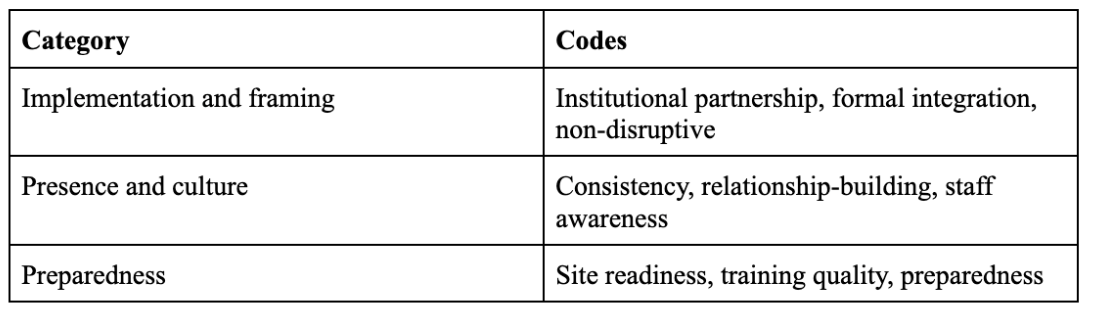
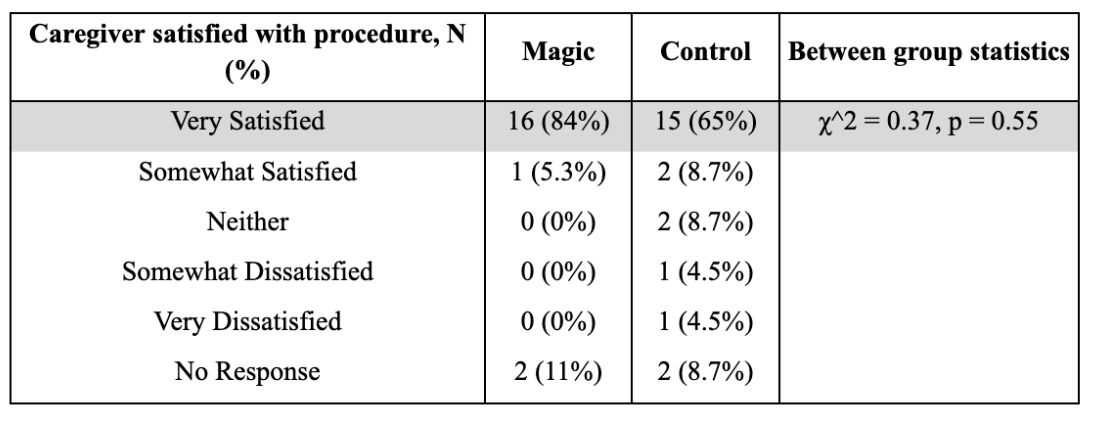
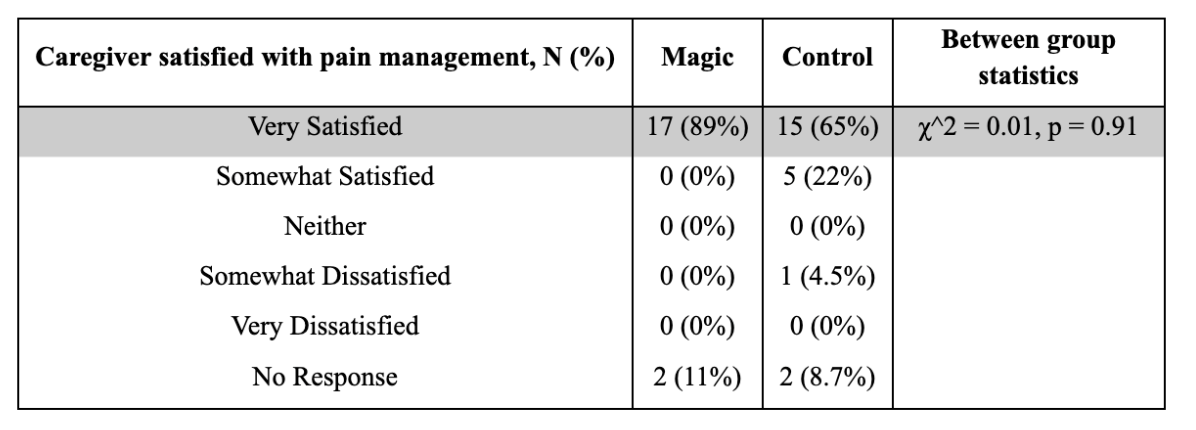
Background: Distraction interventions are well-established techniques to alleviate pain and anxiety in children undergoing invasive procedures. Since 2017, the Child Life program at Stony Brook Children's Hospital has partnered with MagicAid, a non-profit organization, to equip medical students with magic tricks as a means of pediatric distraction therapy. Incorporating such interventions into the fast-paced, high-stress environment of the Pediatric Emergency Department (PED) poses logistical and operational challenges. Its integration into invasive procedures, performed in the PED, remains largely unexplored. Objective: Evaluate factors influencing the successful adoption of magic therapy in the PED. Design/Methods: This IRB-approved study surveyed healthcare providers, caregivers, and medical students participating in the implementation of MagicAid magic therapy during invasive procedures in the PED. Nurses completed five-point Likert scales evaluating magic therapy's utility and impact on procedural efficacy. Caregivers completed five-point Likert-scale and binary surveys evaluating their satisfaction and comfort with the intervention during their child's care. Medical student magic therapists completed surveys assessing child engagement with magic and provided reflections of the therapy in open-ended surveys. Descriptive statistics summarized ordinal data and qualitative analysis of open-ended responses identified recurring themes (Table 1). Results: Forty-two surveys were completed by caregivers and PED nurses. Forty-two efficacy surveys and fourteen open-ended responses were completed by medical student magic therapists. All nurses reported that magic therapy was useful for the children, with 97% saying it was useful for parents and 95% saying they felt magic was useful to them as PED staff (3% and 5% were unsure, respectively); all nurses favored continued use of magic in the PED. Caregiver satisfaction with the procedure (Table 2) and with their child's pain management (Table 3) was higher in the magic therapy group compared to controls.
Conclusion(s): Magic therapy is a feasible and well-accepted distraction intervention during needlestick procedures in the PED. This intervention was well accepted by nurses, did not disrupt clinical workflow, and was highly supported by parents who considered it a positive addition to their child's care. Future studies should evaluate magic therapy's impact on anxiety reduction and procedural outcomes in perioperative and urgent care settings.
Table 1: Emerging Themes from Open-Ended Medical Student Surveys
Table 2: Caregiver Satisfaction with Invasive Medical Procedure
Table 3: Caregiver Satisfaction with Pain Management Methods