Session: Developmental and Behavioral Pediatrics 6: Parenting
211 - Can pediatric primary care-based early relational health interventions be delivered in rural settings? A qualitative study
Monday, April 27, 2026
8:00am - 10:00am ET
Publication Number: 4208.211
Erin Roby, NYU Grossman School of Medicine, Hawthorne, NJ, United States; Luisa Vaca-Condado, New York University Grossman School of Medicine, Brooklyn, NY, United States; Margaret Griffin, New York University Grossman School of Medicine, New York, NY, United States; Alan L. Mendelsohn, New York University Grossman School of Medicine, New York, NY, United States
Assistant Professor NYU Grossman School of Medicine Hawthorne, New Jersey, United States
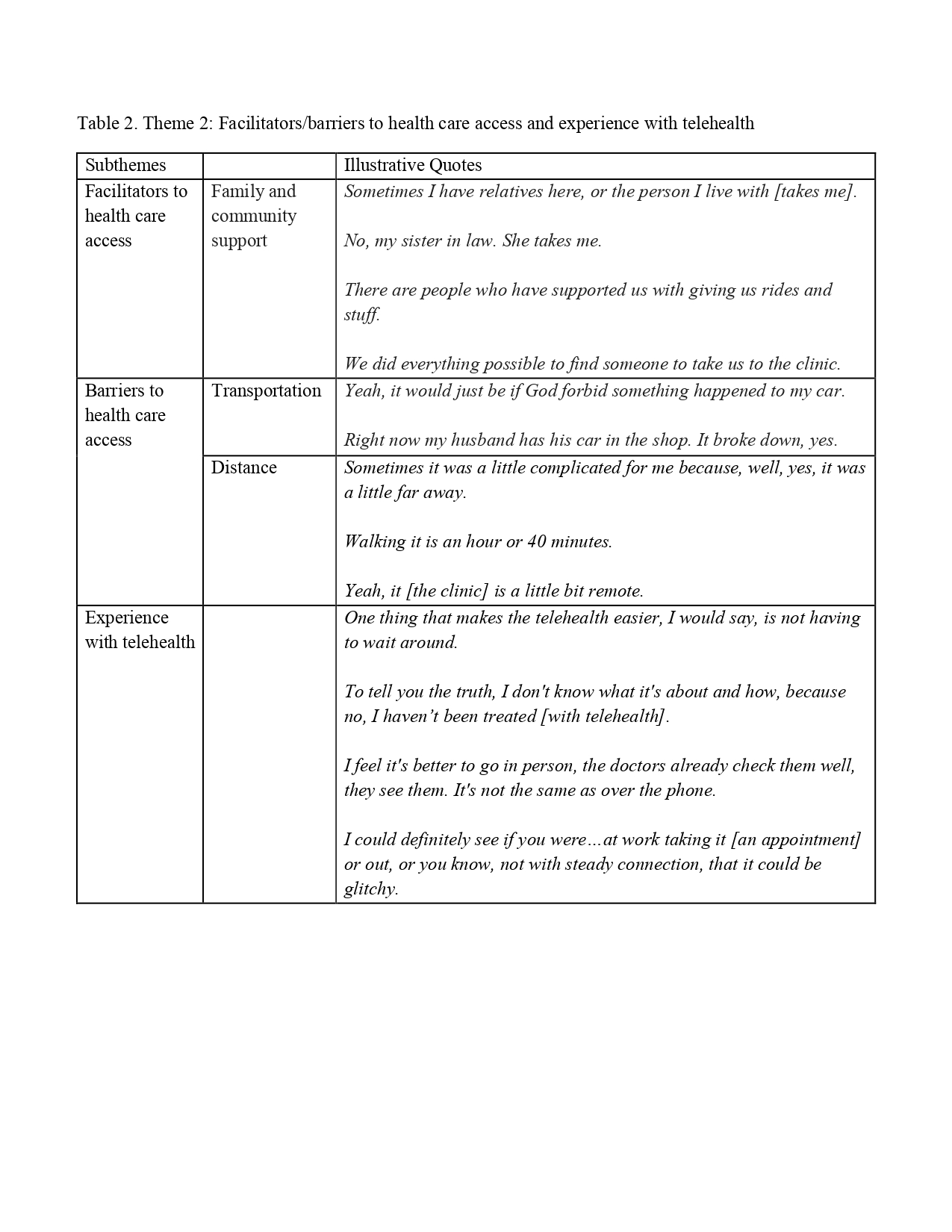
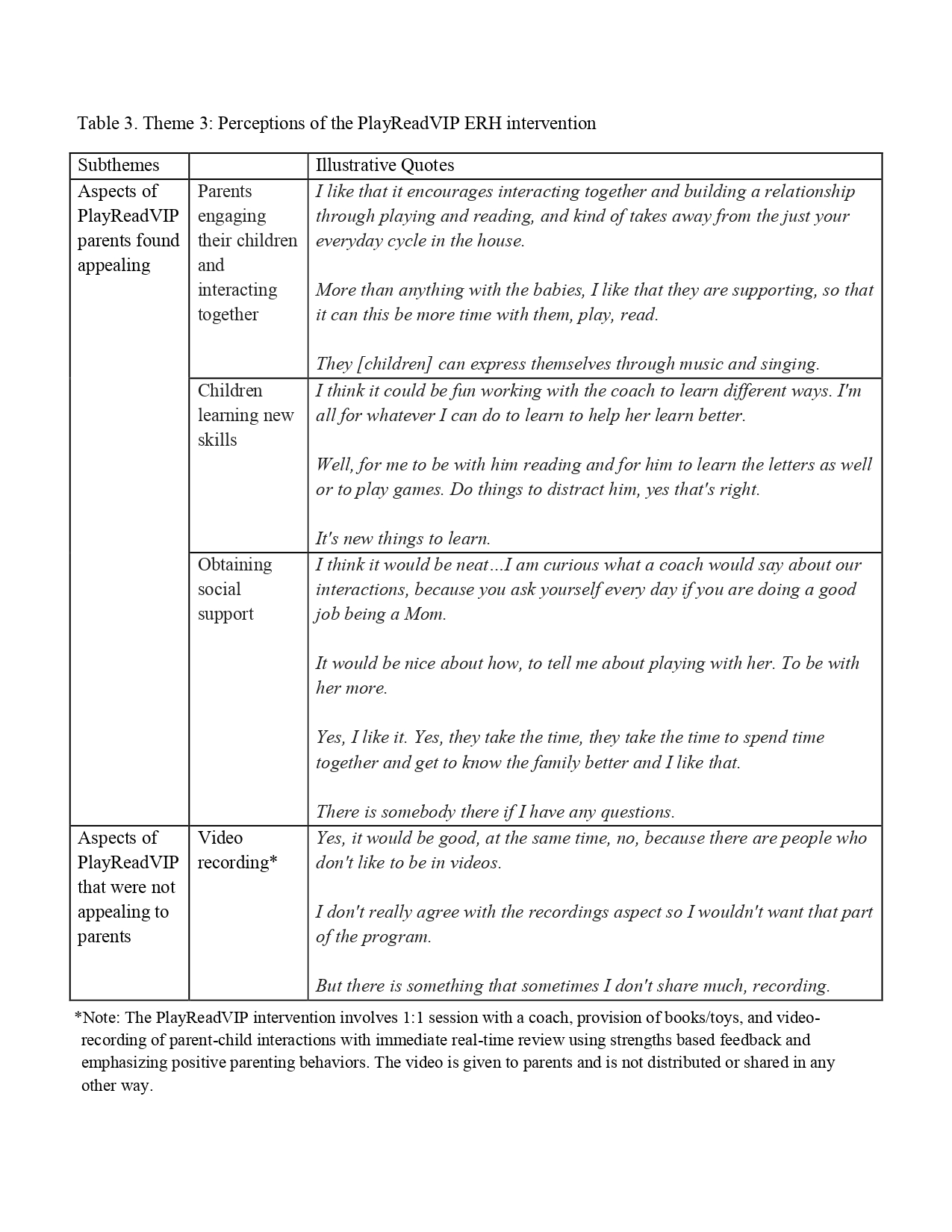
Background: Over 25% of children in the rural United States live in poverty, which creates barriers to early relational health (ERH, parenting practices and relationship quality) that adversely and disproportionately impact rural children's development. Pediatric primary care-based programs can support ERH, and have many benefits (trusted/convenient setting, aligned with well-child visits, low cost), but have primarily been implemented in urban settings. It is unclear whether these advantages will generalize to rural settings given unique rural factors (hospital deserts, limited providers, travel burden, institutional mistrust) or whether they will be perceived, accepted, and can adequately engage rural families. Examination of rural parents' perceptions of the health-care setting, facilitators and barriers to health-care access, and opinions about ERH interventions is needed to support implementation and adaptation of health-care based ERH interventions for rural families. Objective: 1. Determine facilitators/barriers to rural families' engagement in pediatric primary care-based parenting interventions. 2. Explore rural parents' perceptions of one ERH intervention, PlayReadVIP. Design/Methods: We conducted 26 semi-structured interviews with parents of children < 5 receiving pediatric primary care and clinic staff at 2 FQHCs serving Medicaid-eligible families in rural southern New Jersey. Interviews were conducted by trained interviewers in English or Spanish, audio taped, transcribed, and translated. Transcripts were coded in Dedoose using an iterative process of textual analysis, refining themes to the most coherent and salient. Analyses continued until thematic saturation was reached. We conducted 6 pilot sessions of PlayReadVIP (3 in person, 3 telehealth), and assessed parent satisfaction. Results: We identified 3 themes: 1) perceptions of pediatric primary care (Table 1), 2) facilitators/barriers to health care access (including telehealth; Table 2), and 3) perceptions of PlayReadVIP: an ERH intervention (Table 3). 100% of parents were satisfied with their PlayReadVIP session.
Conclusion(s): Rural parents were satisfied with their pediatric primary care and viewed their pediatrician as a trusted source of support; they also expressed some concerns. Barriers to health care access were transportation and distance to clinic. Parents had mixed experience with telehealth. Parents viewed the PlayReadVIP intervention favorably. Findings suggest that healthcare-based ERH interventions such as PlayReadVIP are well-suited for rural settings and will inform future adaptation and implementation of rural ERH programs.









.jpg)