81 - Assessing Workload: Simulation and Transport Effects on Pediatric Transport Team NASA TLX Scores
Monday, April 27, 2026
8:00am - 10:00am ET
Publication Number: 4079.81
Kyle Willsey, Guerin Children's-Cedar Sinai, Chatsworth, CA, United States; Lauren Collins, Cedars-Sinai Medical Center, Los Angeles, CA, United States
Assistant Professor Guerin Children's-Cedar Sinai Chatsworth, California, United States
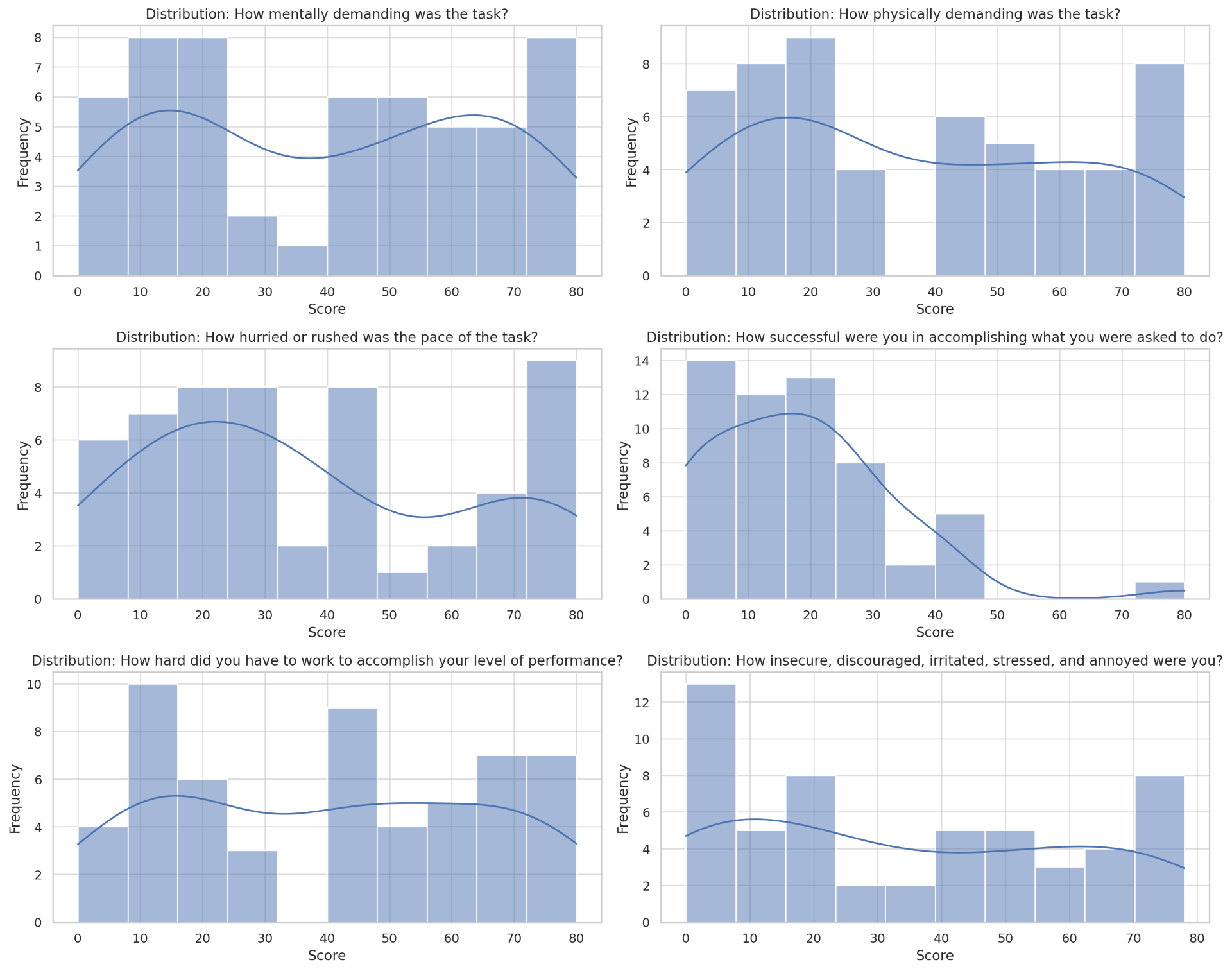
Background: Pediatric critical care transport (PCCT) teams face unique workload challenges. High-fidelity simulation (HFS) improves performance and team dynamics, but its impact on perceived workload, measured by NASA TLX, remains underexplored. Objective: We aim to evaluate how repeated HFS exposure, as part of a comprehensive PCCT training course, and actual transport experience affect NASA TLX workload scores among PCCT nurses (RNs) and respiratory therapists (RTs), to guide future training strategies and optimize performance under stress. Design/Methods: A prospective, observational study was conducted with a pediatric critical care transport team at a tertiary children's hospital. Participants (pediatric critical care RNs and RTs) completed NASA TLX surveys following each HFS scenario and after every real patient transport. TLX subscales (mental demand, physical demand, temporal demand, performance, effort, frustration) were analyzed after simulation events and transport encounters while being compared to patient complexity and severity illness scores based on TISS-C (Therapeutic Intervention Scoring System for Children) and PRISM III scores. Results: Preliminary data suggest that HFS scenarios demonstrate that higher complexity patients (ie patients with higher TISS-C and/or PRISM III scores) tended to have higher NASA-TLX reported scores from team members. What remains unclear with very early data retrieval is the effect of ongoing education and serial exposure to complex patient transport scenarios on NASA TLX reported scores.
Conclusion(s): HFS provides a controlled yet realistic training environment that elicits workload levels similar to actual patient transport, as measured by the NASA TLX. These preliminary findings support the integration of simulation-based training to prepare pediatric critical care transport teams for high-stakes clinical events, with implications for optimizing performance, safety, and team resilience for future study projects. Specifically, being able to optimize training in some of the domains within the NASA TLX assessment framework may be more directly targeted.










.png)