621 - Evaluating Genomic Knowledge and Decision-Making in Youth and their Parents
Monday, April 27, 2026
8:00am - 10:00am ET
Publication Number: 4607.621
Sharon Smith, University of Connecticut School of Medicine, Hartford, CT, United States; Sidharth Masarur, University of Connecticut, South Windsor, CT, United States; Pardhip Nair, University of Connecticut, Milford, CT, United States; Katherine A. Hinderer, Connecticut Children's Medical Center, Hartford, CT, United States
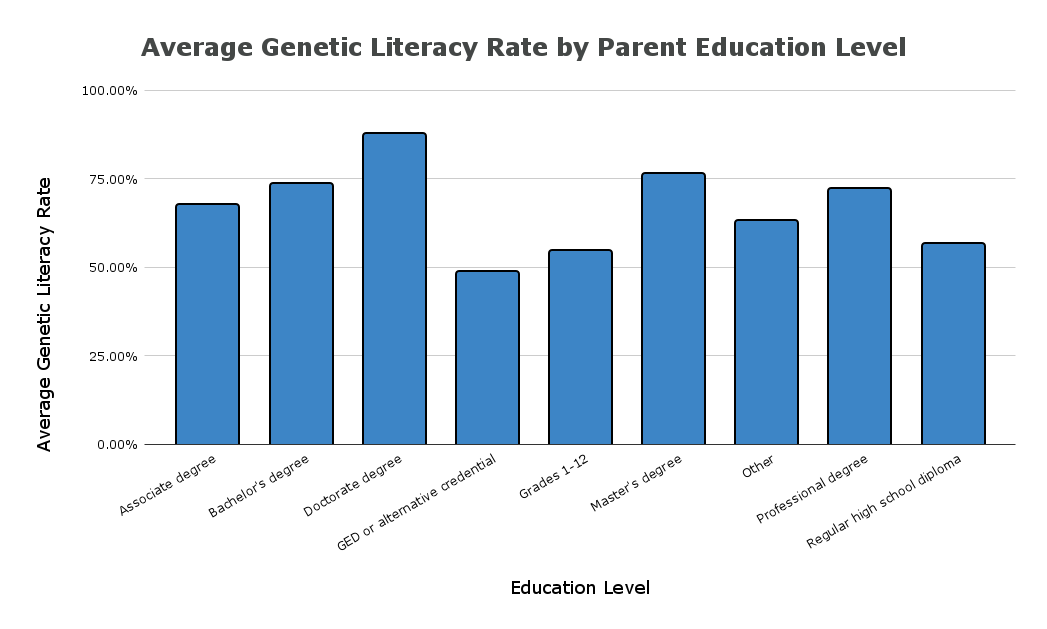
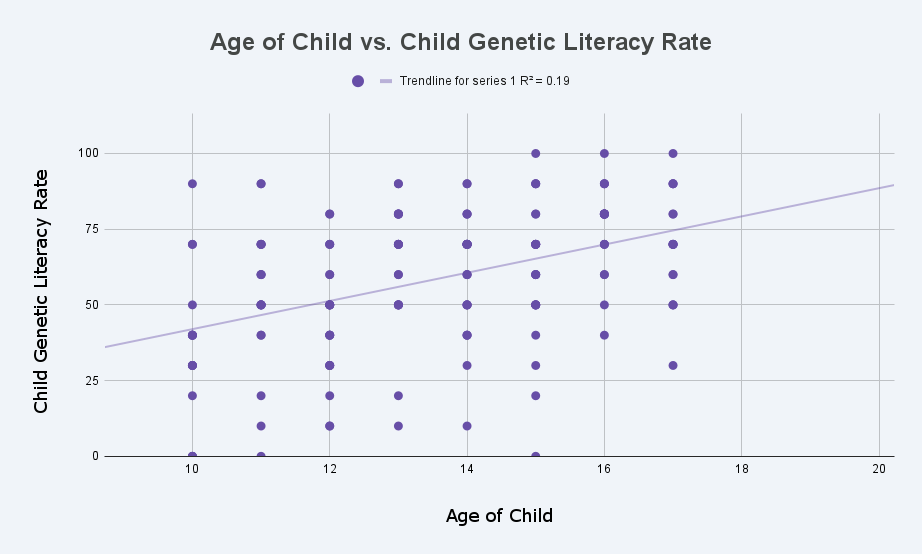
Background: Genetic testing and genomic sequencing are increasingly part of pediatric care, yet many adolescents and parents lack the knowledge needed to make informed decisions. Prior studies show gaps in understanding raising concerns about the adequacy of consent and assent. Little is known about when youth begin to comprehend genomic sequencing and how this impacts their own genetic and genomic decision-making. Objective: To assess baseline genomic knowledge among adolescents and parents, examine its influence on decisions about genetic testing and sequencing, and identify opinions on appropriate age thresholds for youth participation in testing decisions. Design/Methods: We conducted a cross-sectional survey of parents and adolescents (ages 10-17) recruited from a large urban emergency department (Jan-Jun 2025) and youth from an international summit (Jul 2025). Surveys administered via REDCap included 10-item validated genomic knowledge assessments (Kids-KOGS for youth) with 70% correct considered passing, and Likert-style items on genetic testing, sequencing, and consent. Demographic and prior exposure data were collected for subgroup analyses. Analyses include descriptive statistics, chi-square tests, correlations, and logistic regression to assess relationships between genomic literacy, consent likelihood, and age-related decision-making trends. Results: We enrolled 952 participants with 812 parents and 140 youth. The youth had mean age of 13.4 years (SD = 2.4) with 55% female, 45% male. The majority (58.6%) of parents and 23.1% of youth passed the literacy test (p < 0.001). Adolescent genomic literacy increased with age (r²=0.19, p=0.01) and was higher among families with prior genetic experiences. Literacy and familiarity with genetic testing and genomics increased with education level, peaking among doctorate holders (66.1% familiarity for genetic testing and 60.6% for genomic sequencing). For genetic testing, 31.8% of 10-12-year-olds and 46.8% of 13-17-year-olds preferred shared decision-making. For genetic data storage, 20.6% of 10-12-year-olds and 38.6% of 13-17-year-olds preferred shared decision-making. Literacy was similar between males and females.
Conclusion(s): While adolescents and parents had different genomic knowledge rates, those with more education and prior exposure scored better. Knowledge was influenced by age, education, and prior exposure, which further compounds decisions about testing and sequencing. Adolescents favor collaborative decision-making but seek increasing autonomy with age. Findings suggest developmentally structured genomic education and consent models may be beneficial.